The is a grammatical article in english, denoting nouns that are already or about to be mentioned, under discussion, implied or otherwise presumed familiar to listeners, readers, or speakers.. This guide explains when to use “the,” how meaning changes, and how to choose the right article with clarity.
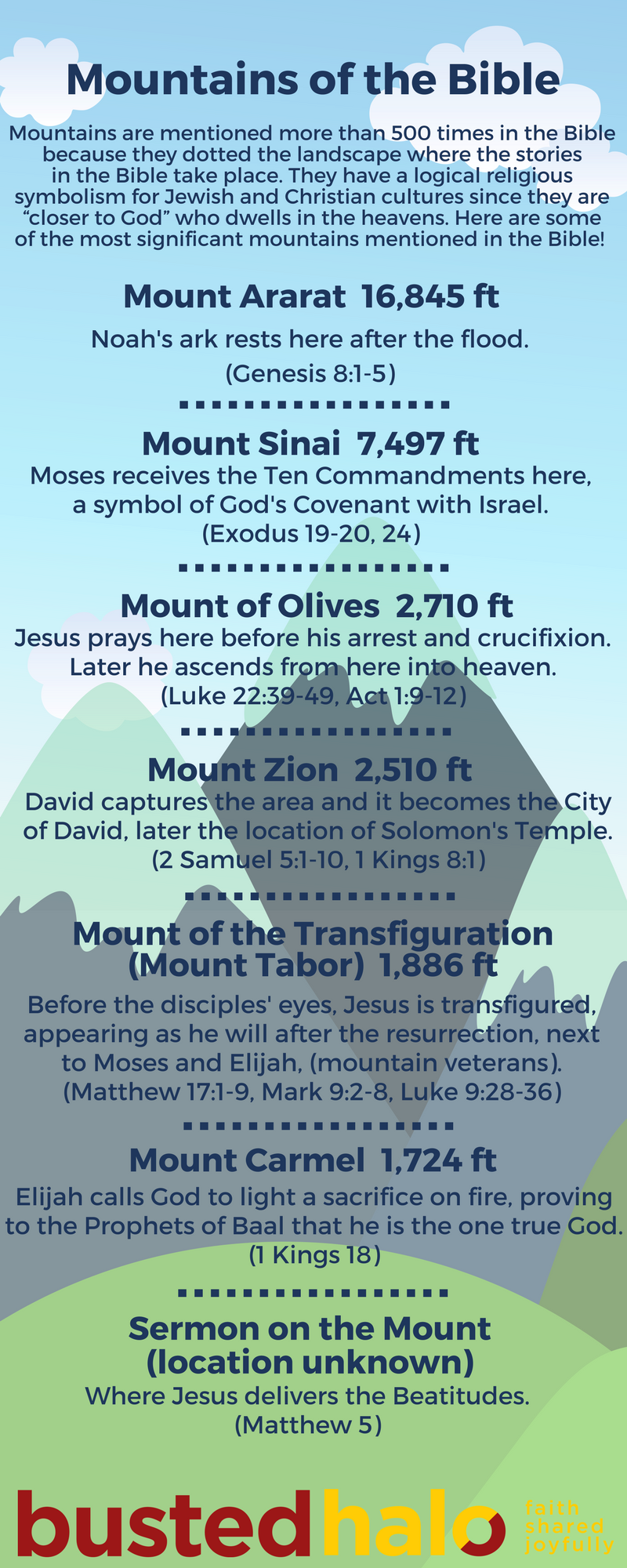
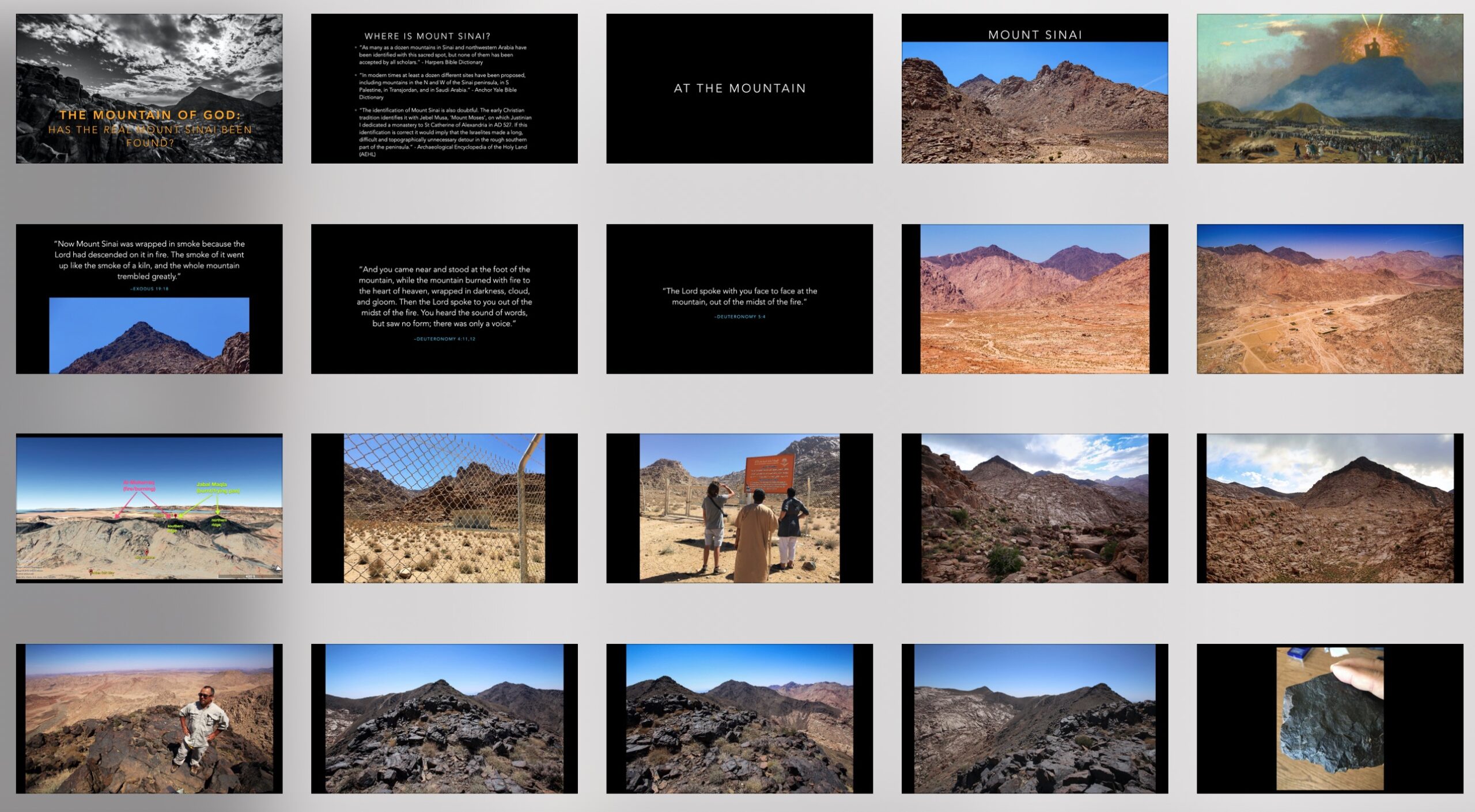
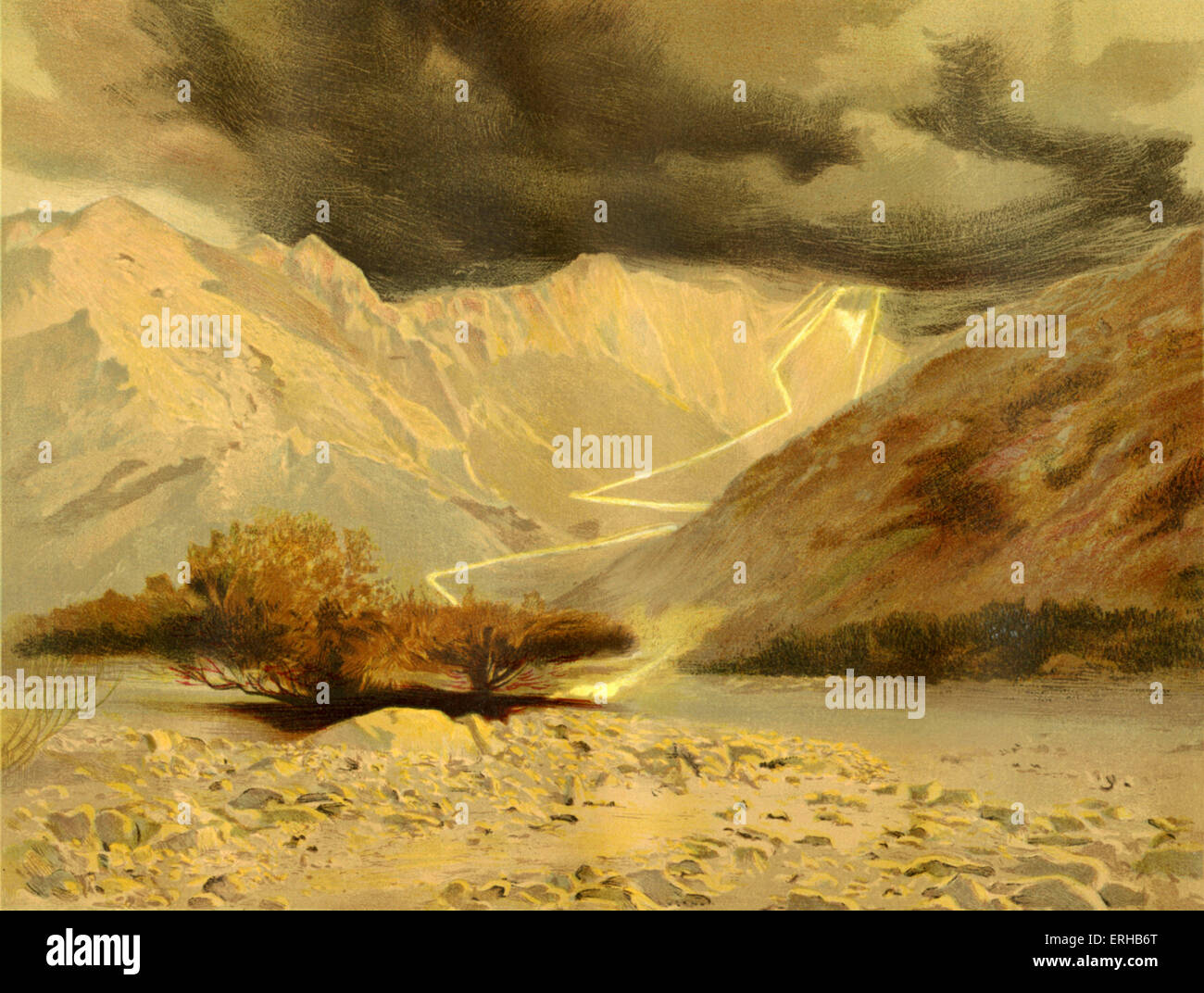
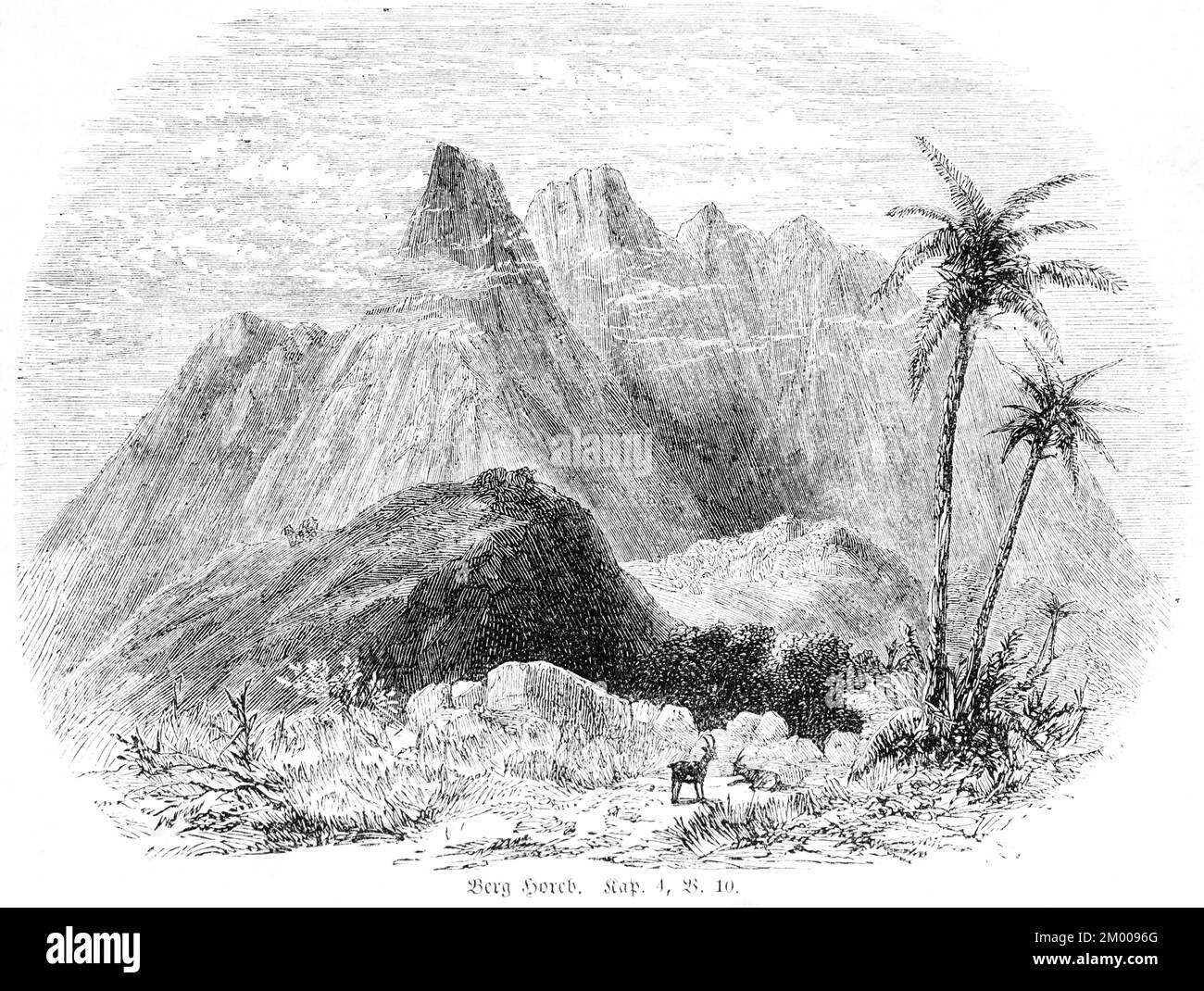
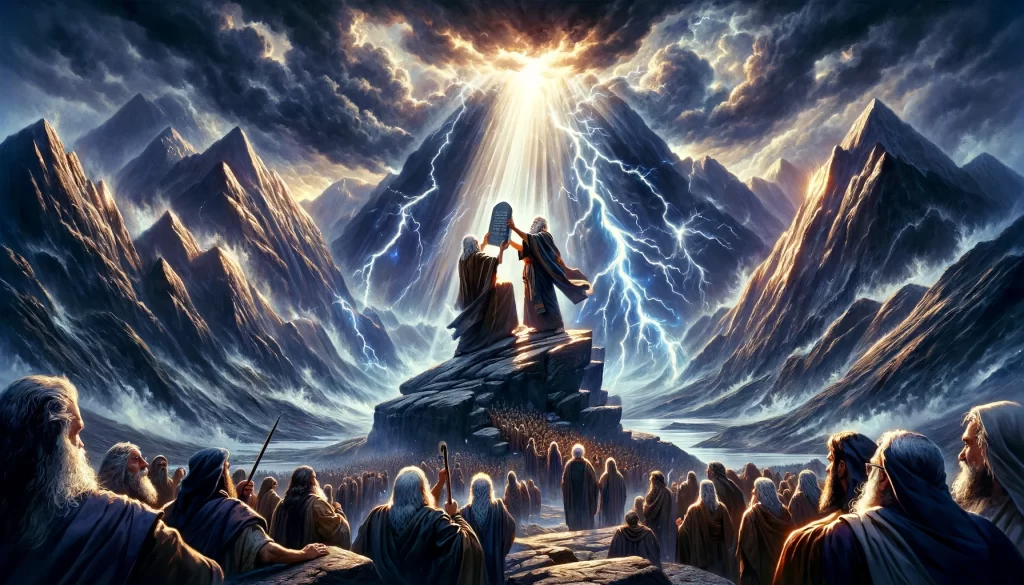
View on the Mount Sinai, Where Moses Received the TenExploring the Mountain of God Mt. Sinai YouTubeMount Sinai Artwork Bible ArtWhat Are The Seven Mountains Of God at Charli FiaschiWhat Is Mountain Of God at Dotson blogThe River of Life and the Mountain of God ForThe Mountains of God. Mt Horeb and Mt Sinai rediscoveredThe Mountain of God (Mount Sinai) presentation (DIGITAL) Discovered SinaiAscending Mount Sinai, the Mountain of God, Horeb YouTubeMount Horeb Bible HistoryMount Sinai Artwork Bible ArtDaily Bible Reading Devotional [Exodus 241218]February 26, 2017The Mountain Of God Horeb Stock Illustration Download Image NowThe Mountain of God (Mount Sinai) presentation (DIGITAL) Discovered SinaiWhat Is the Significance of Mountains in the Bible? BustedHoly Mountain Of GodTHE EXODUS EXPLORED—The Mountain of God YouTubeMount Horeb Mount horeb, Egypt, Ancient history archaeologyMount Sinai; also know as Mount Horeb; Mountain of God!The Mountain of God (Mount Sinai) presentation (DIGITAL) Discovered SinaiThe Mountain of God (Mount Sinai) presentation (DIGITAL) Discovered SinaiWhat Is The Mountain Of God? Christian WebsiteMount Horeb Today God Is FirstHoreb Definition , Understanding Horeb Significance and Symbolism inMount Horeb, Sinai, Moses Mountain, landscape, mountains, palm treesWhat Are the Most Important Mountains in the Bible? TopicalThe Mountain of God (Mount Sinai) presentation (DIGITAL) Discovered SinaiThe Mountain of God (Mount Sinai) presentation (DIGITAL) Discovered SinaiThe Bible In Paintings GOD SHOWS OFF AT MOUNT SINAIUnveiling The Spectacular Journey The Exodus From Egypt Bible126
We use the definite article in front of a noun when we believe the listener/reader knows exactly what we are referring to:. The is usually pronounced (ðə ) before a consonant and (ði ) before a vowel, but pronounced (ði ) when you are.






![Daily Bible Reading Devotional [Exodus 241218]February 26, 2017](https://dustoffthebible.com/wp-content/uploads/2017/02/God-on-Mount-Sinai.jpg "Daily Bible Reading Devotional [Exodus 241218]February 26, 2017")