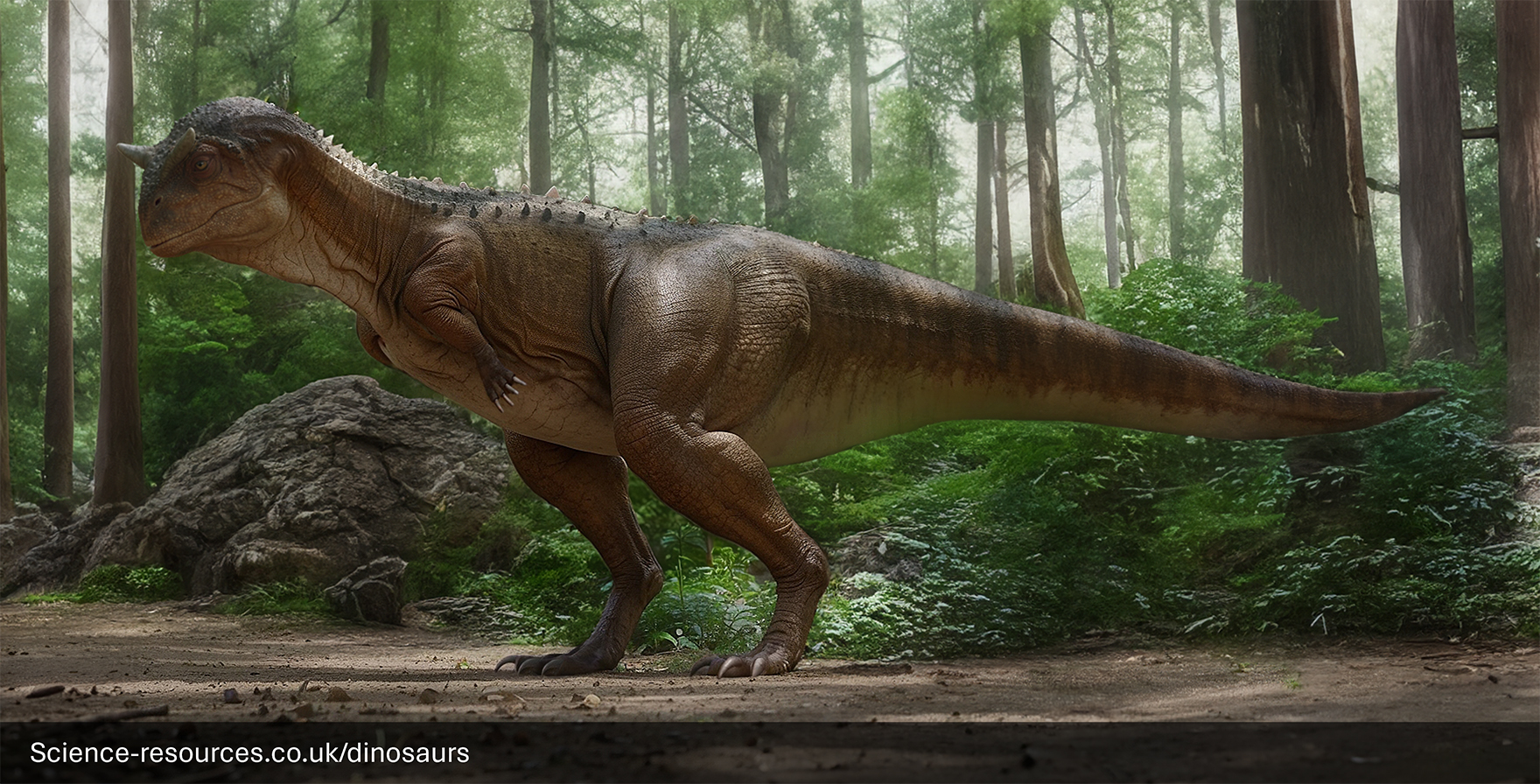
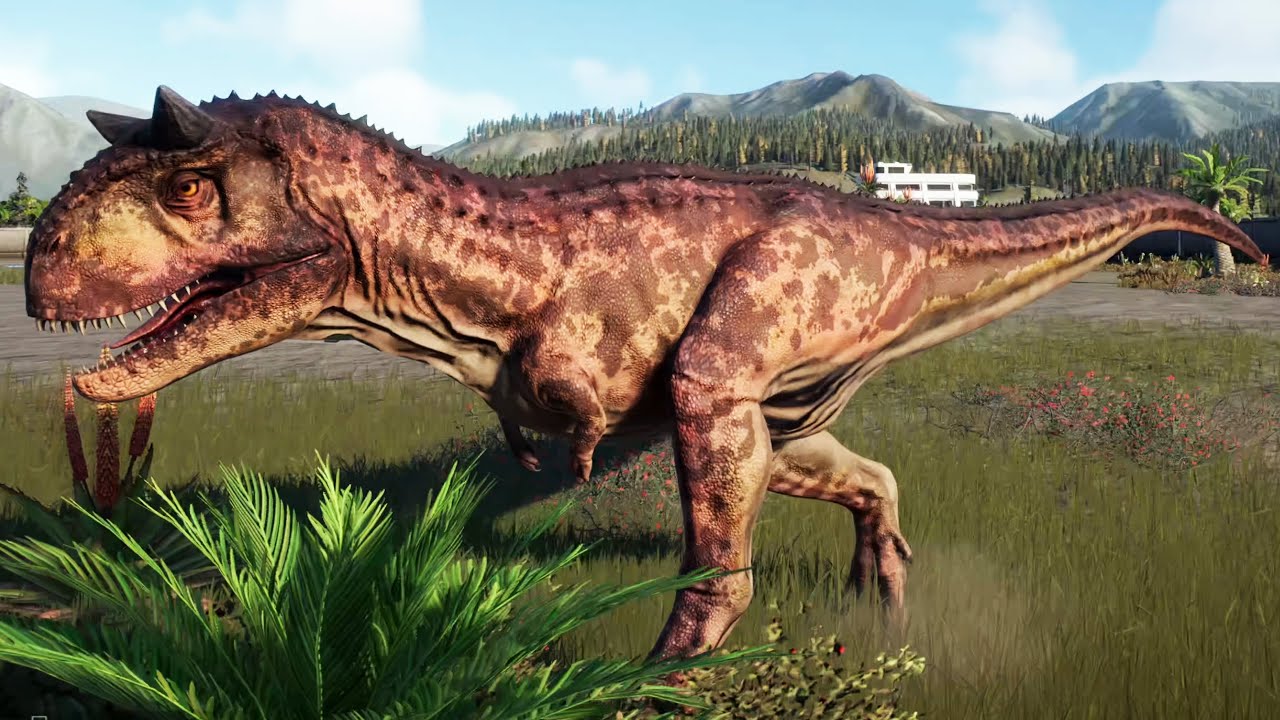
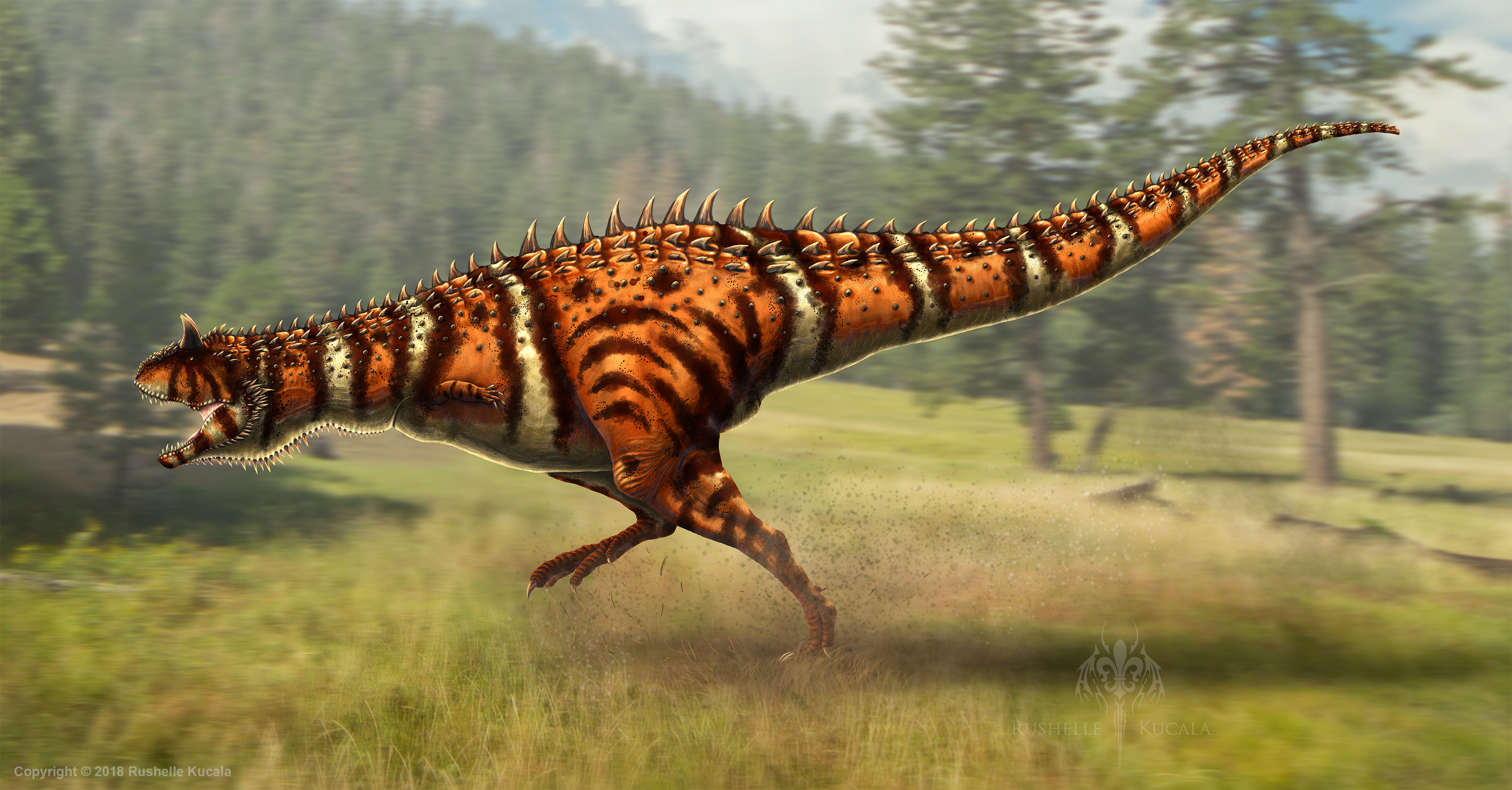
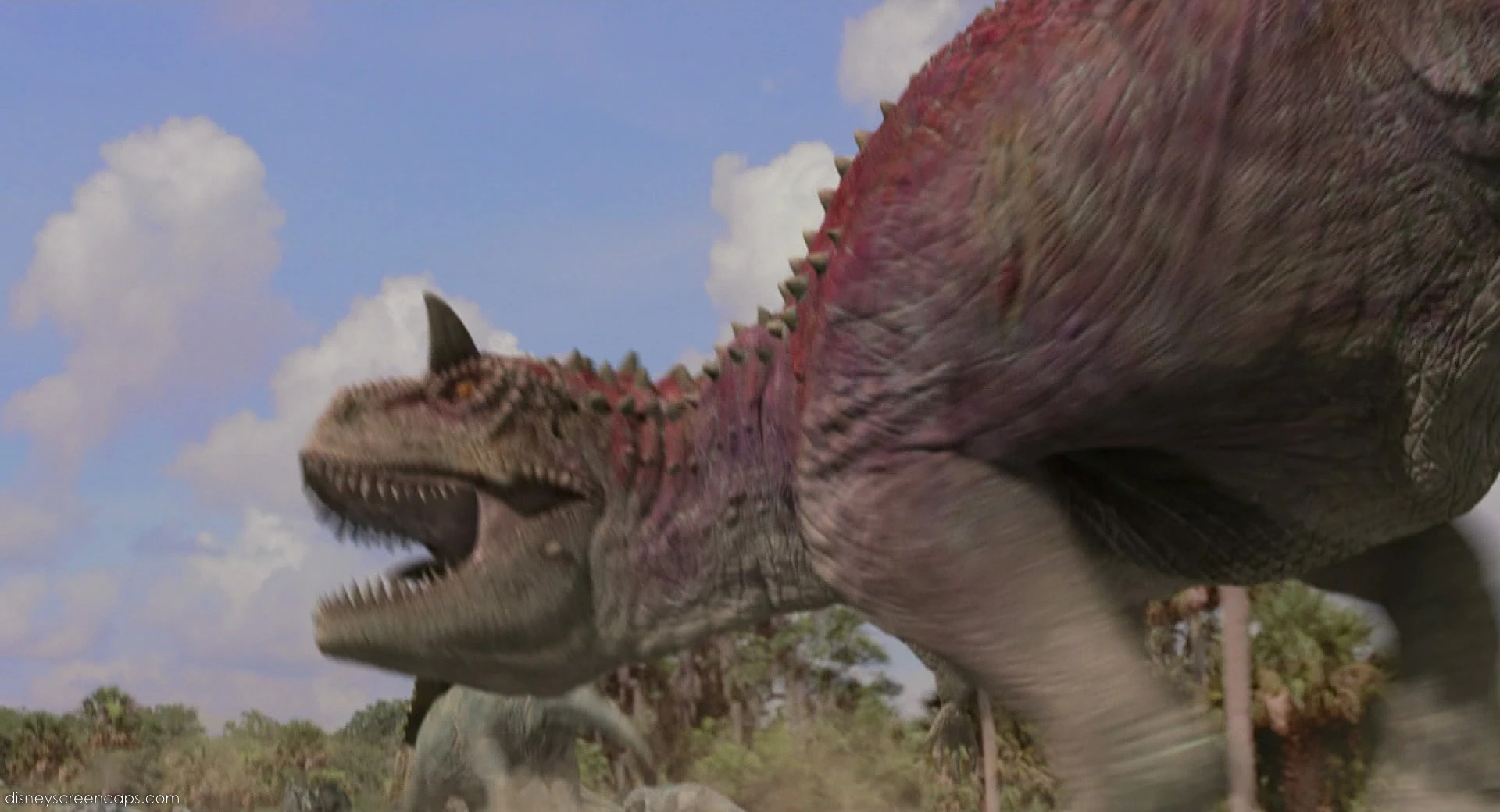
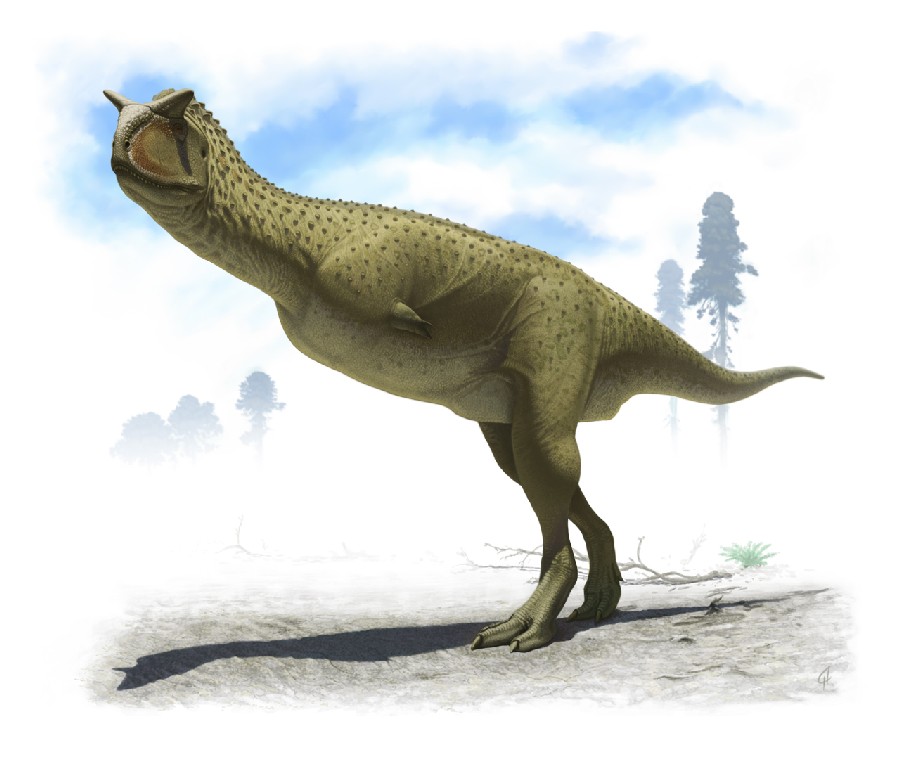
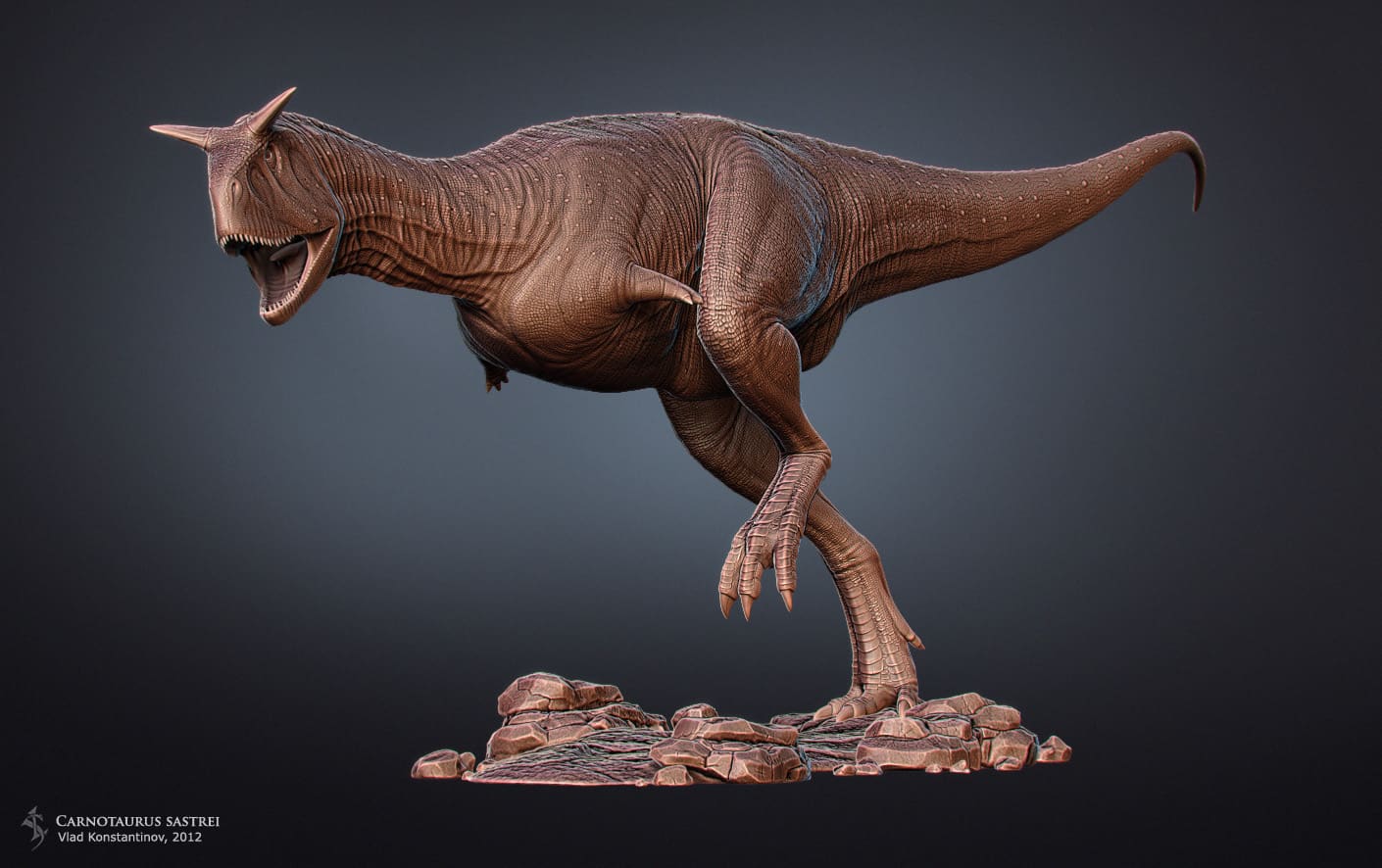
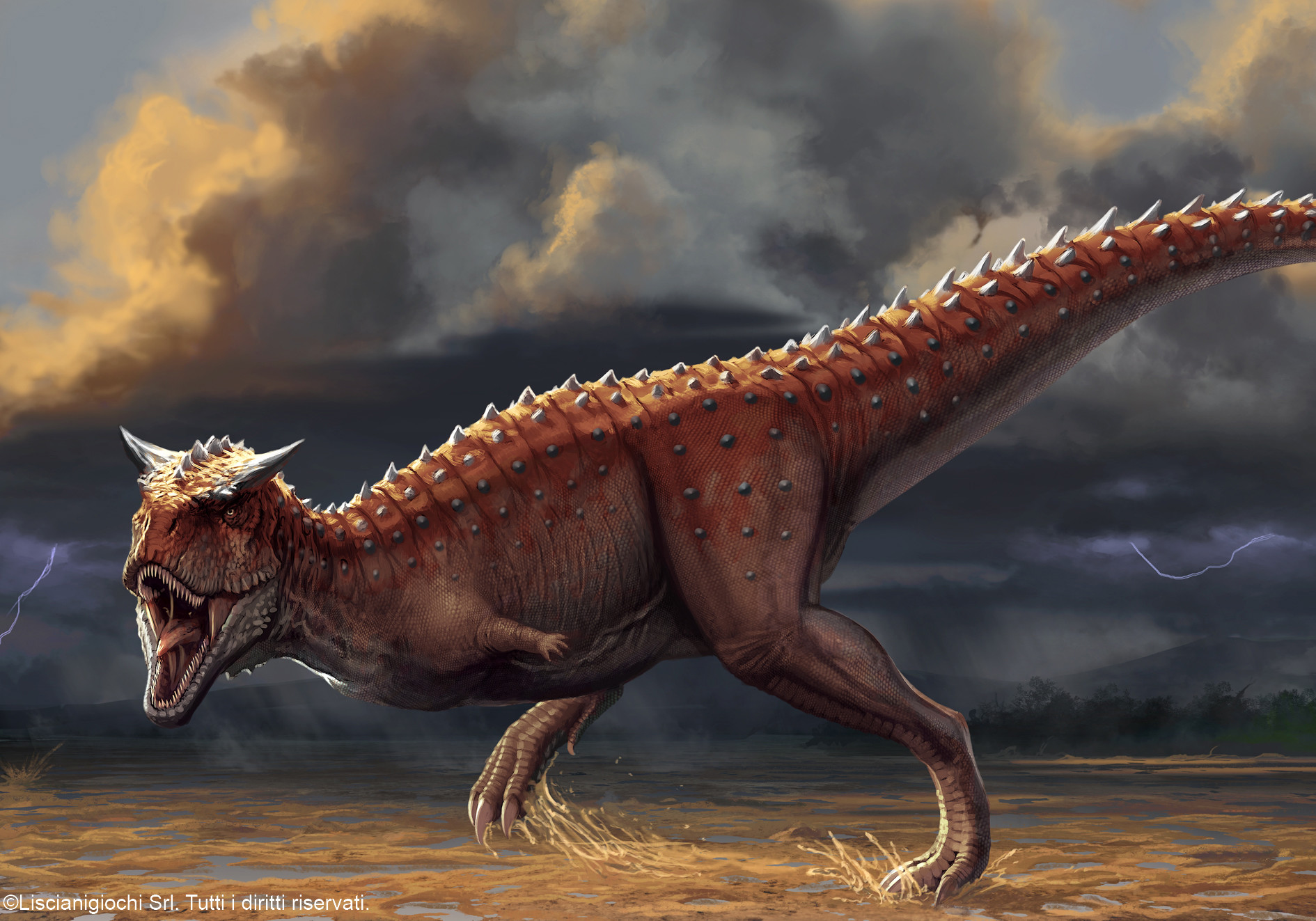
Carnotaurus / ˌkɑːrnoʊˈtɔːrəs / is a genus of theropod dinosaur that lived in South America during the Late Cretaceous period, between 69 and 66 million years ago.. Carnotaurus, whose name fittingly translates to "meat-eating bull," was a formidable predator, roaming Earth during the Late Cretaceous Period. Its distinctive horns and muscular build set it apart from other dinosaurs, making it a fascinating subject of study for paleontologists.








![🔥 [50+] Carnotaurus Wallpapers WallpaperSafari](https://cdn.wallpapersafari.com/20/68/Qxy819.jpg "🔥 [50+] Carnotaurus Wallpapers WallpaperSafari")
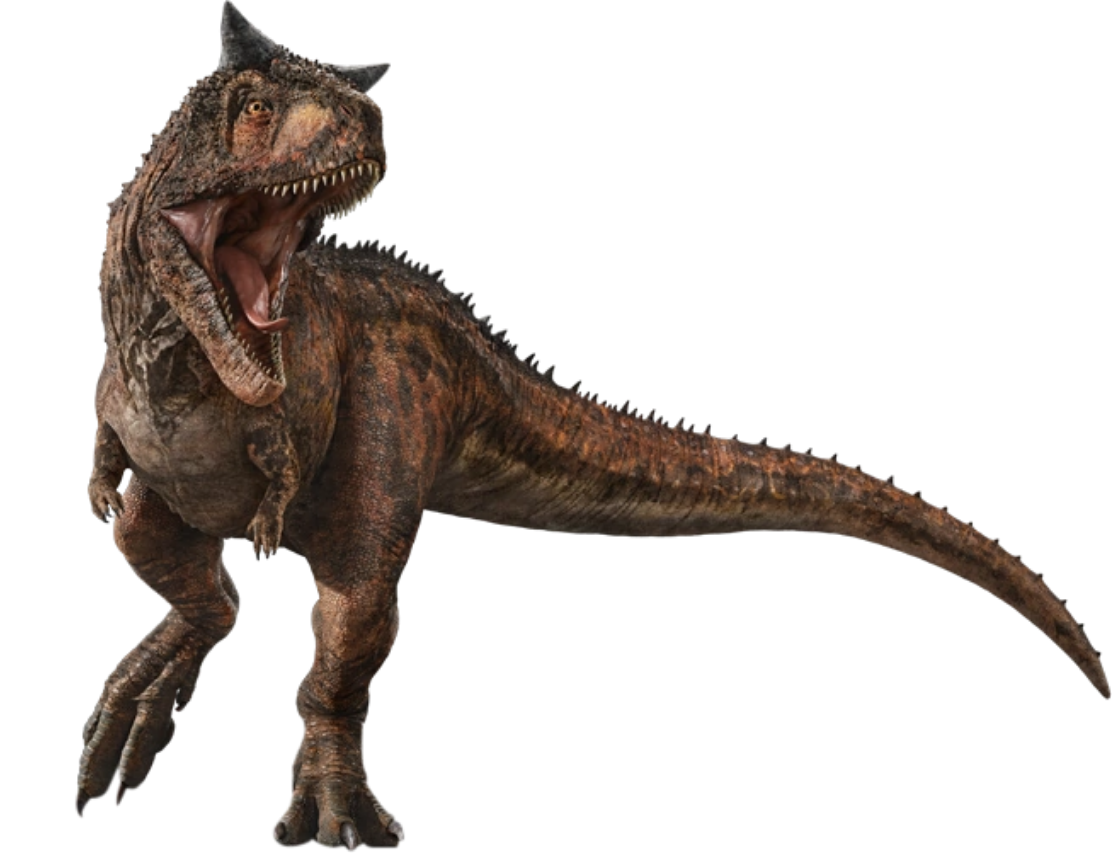
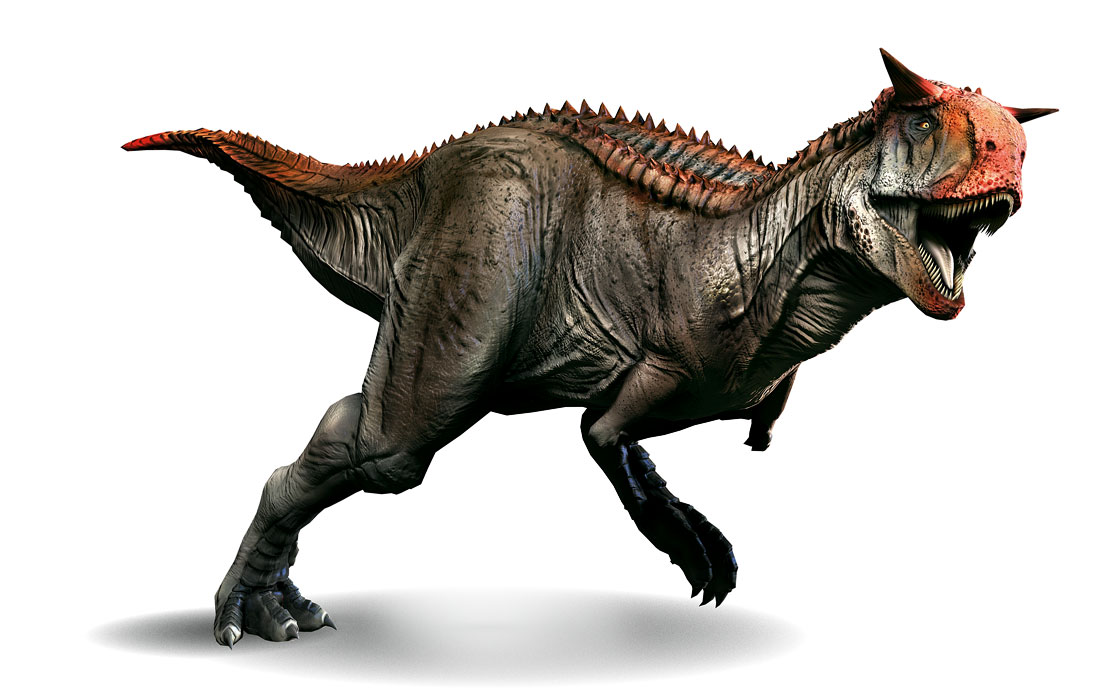


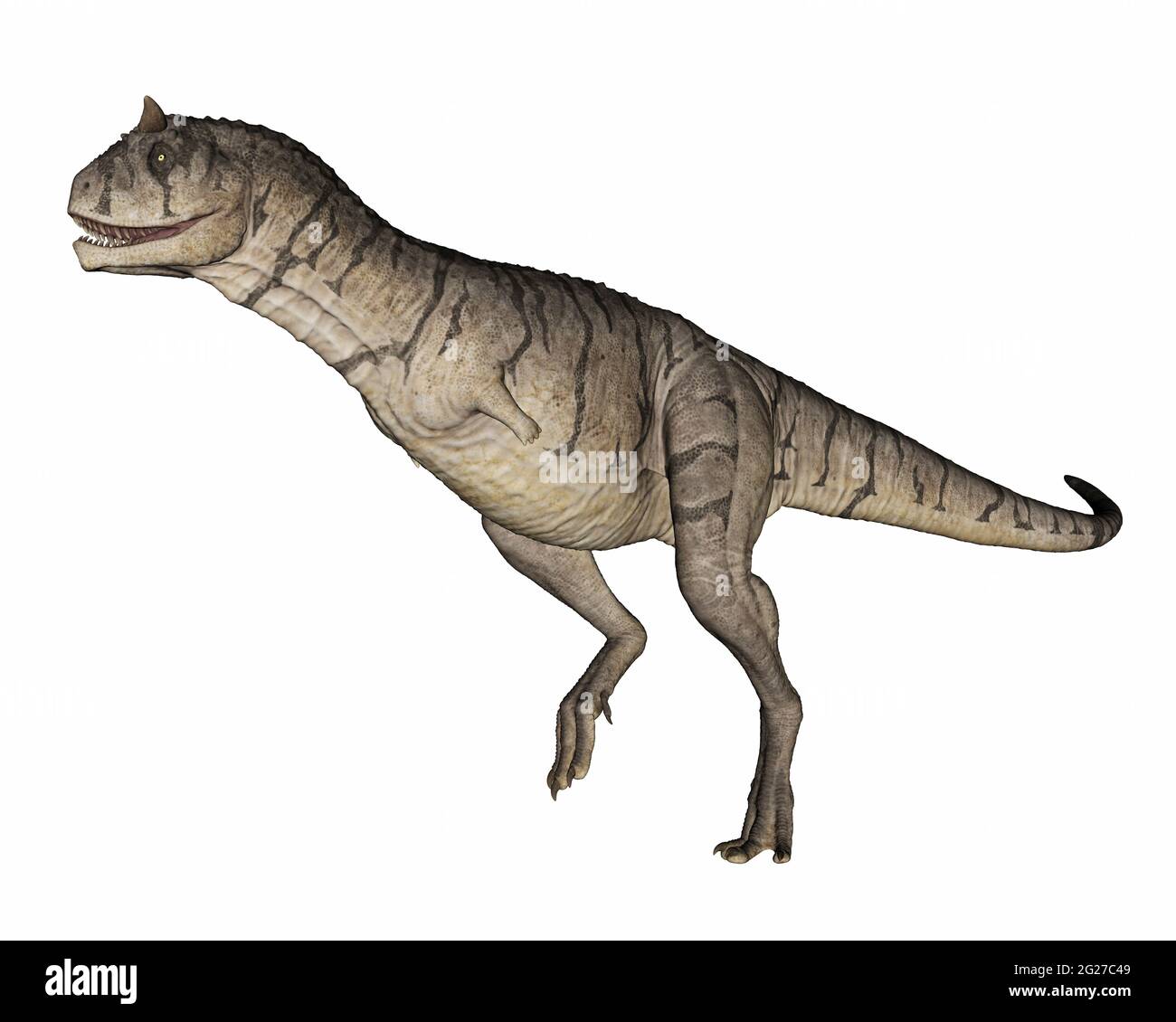


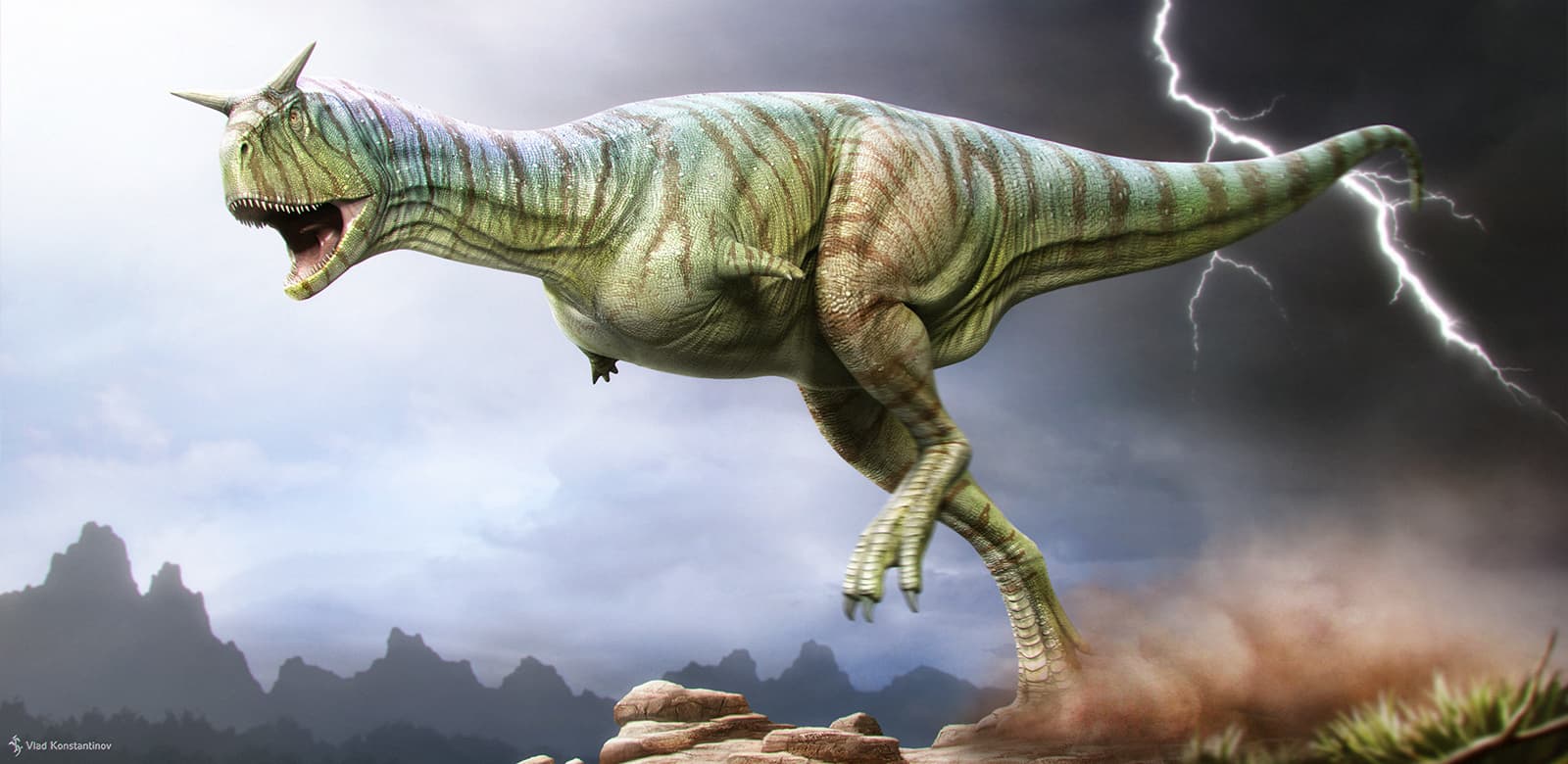
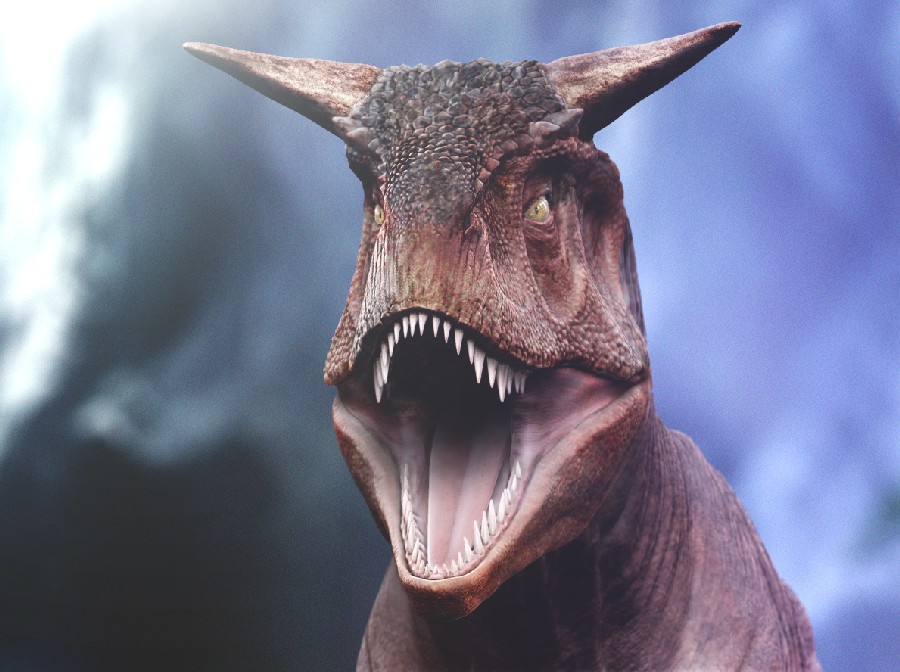
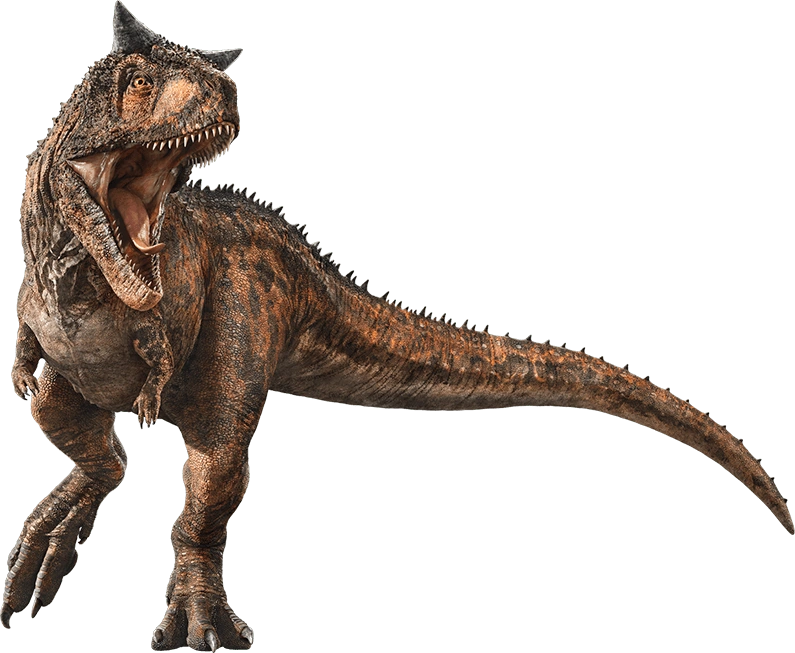
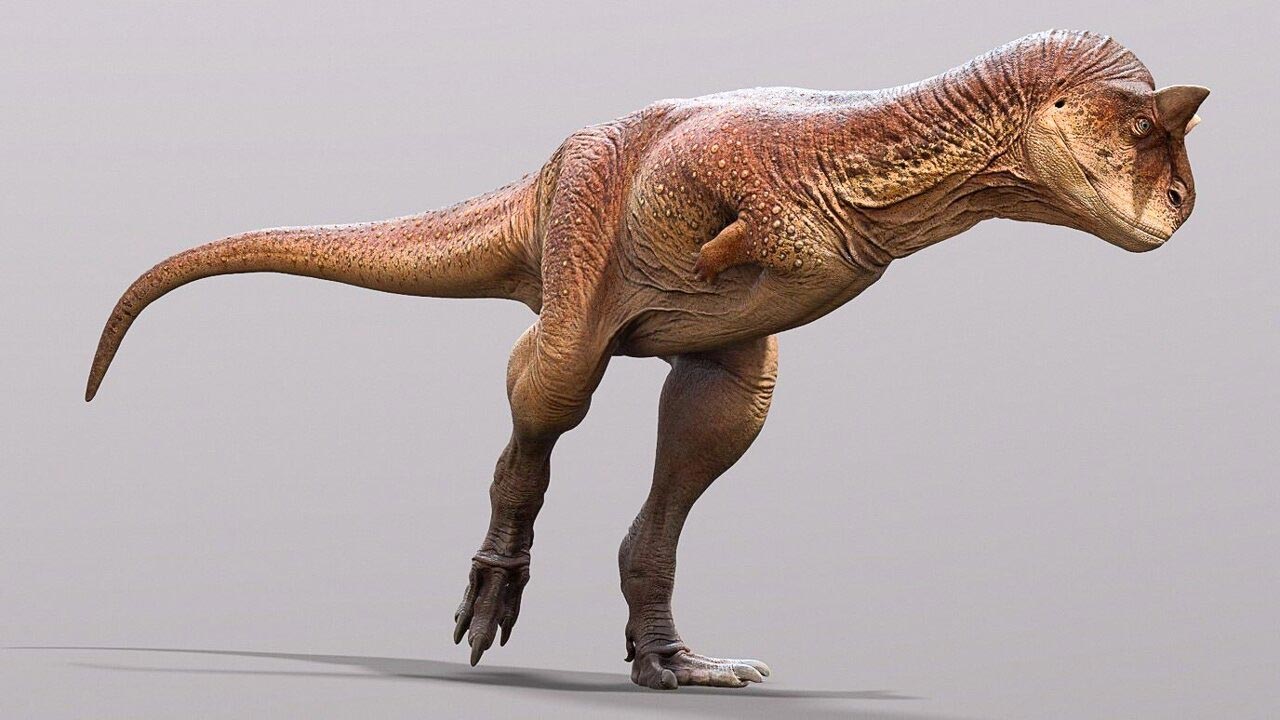
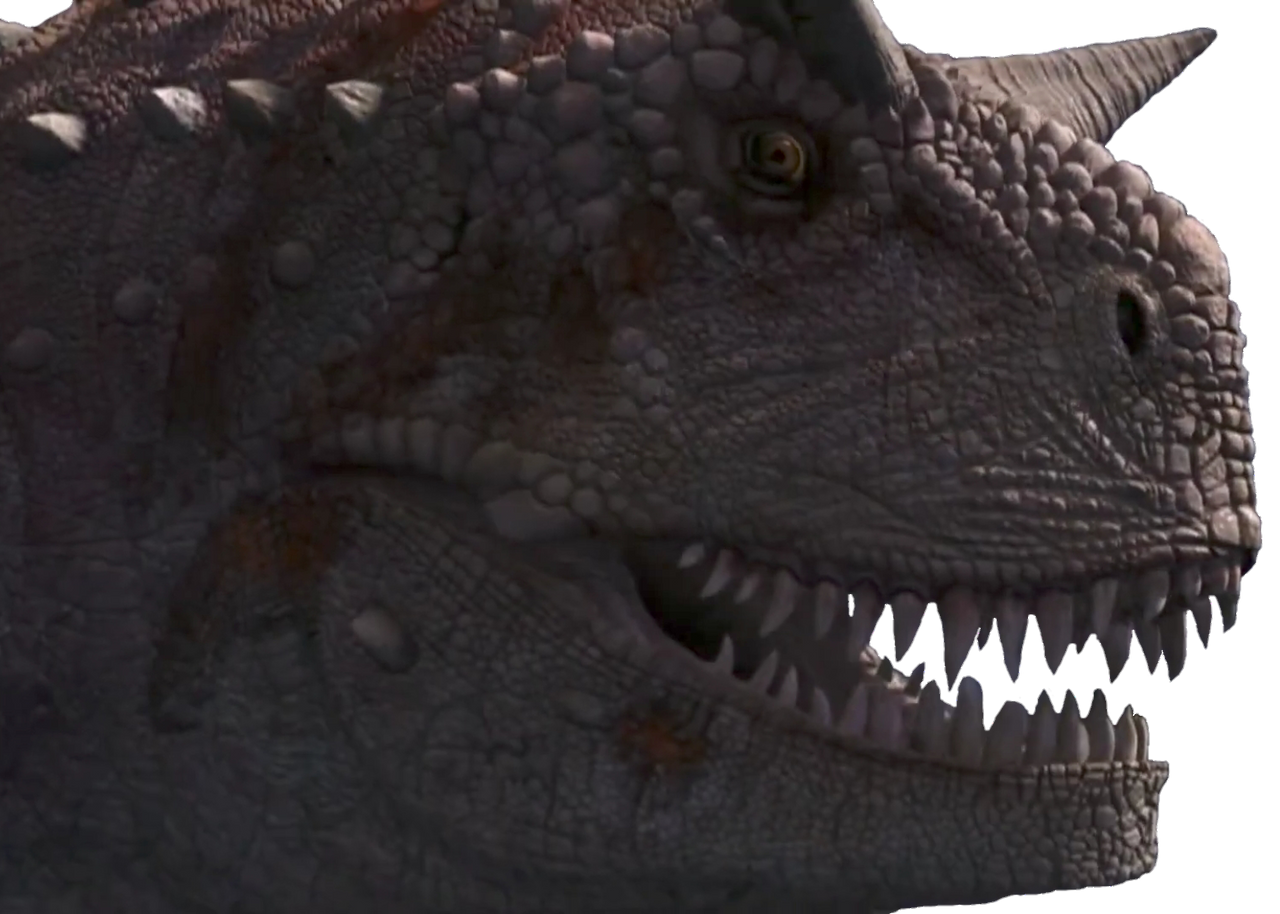
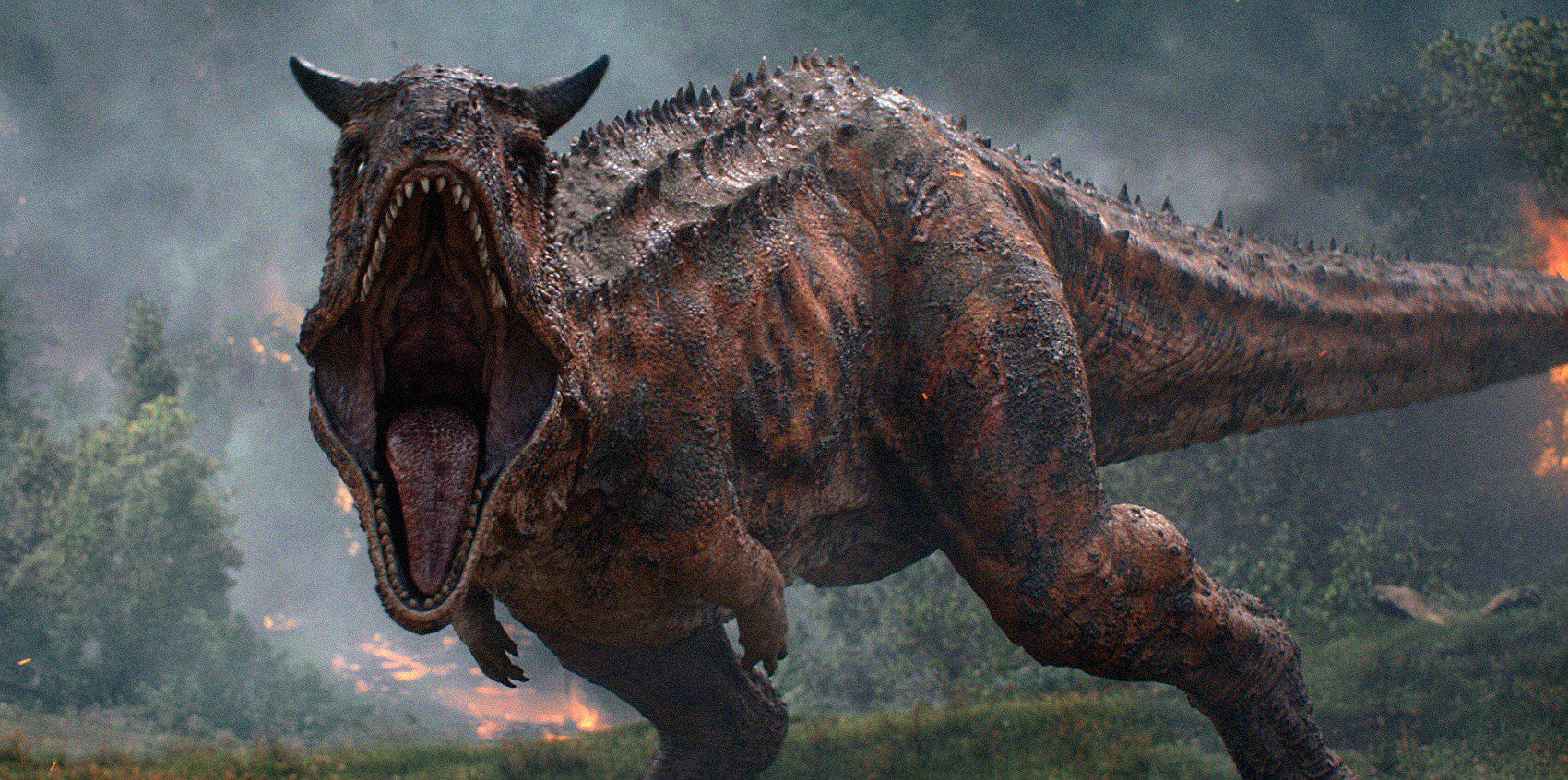
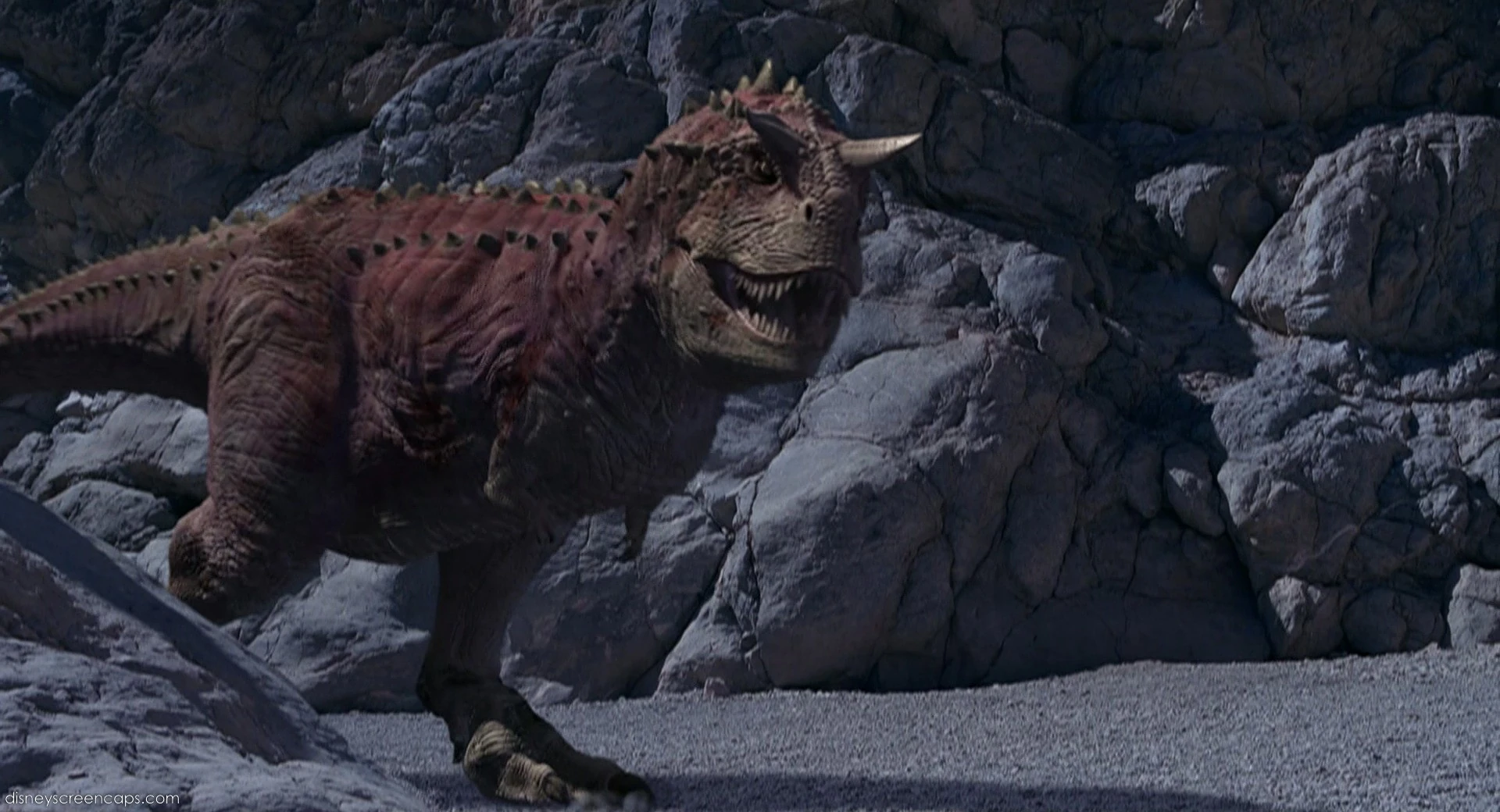
The Carnotaurus lived in the late Cretaceous period in South America. While they were the only identified horned theropod, the meaning of their name in Latin (carnis and taurus) is 'meat-eating bull'. The very first fossil of this prehistoric animal was unearthed in Argentina. History and Discovery In 1984, the first fossil of the Carnotaurus […]. Carnotaurus was a meat-eating dinosaur with two horns on the top of its head and very small arms. It had an unusually short snout and its head was very narrow when viewed from the front. Scientists have found lots of skin impressions for this dinosaur, so we know that it had scales over much of its body. It's unlikely that Carnotaurus or its relatives had feathers - no evidence of them has.