The human heart is an incredibly complex and vital organ that plays a crucial role in circulating blood throughout the body. But have you ever wondered - what color is the human heart? Understanding the color and appearance of the heart can provide insight into its anatomy and function. In this article, we will explore the reasons behind the characteristic color of the human heart.. What color is an actual human heart? The human body and its organs have colors, that is, the liver is brown, the heart is red, bones are white, and so on. Although this is obvious and established, the reason why organs have a particular color is not completely understood.

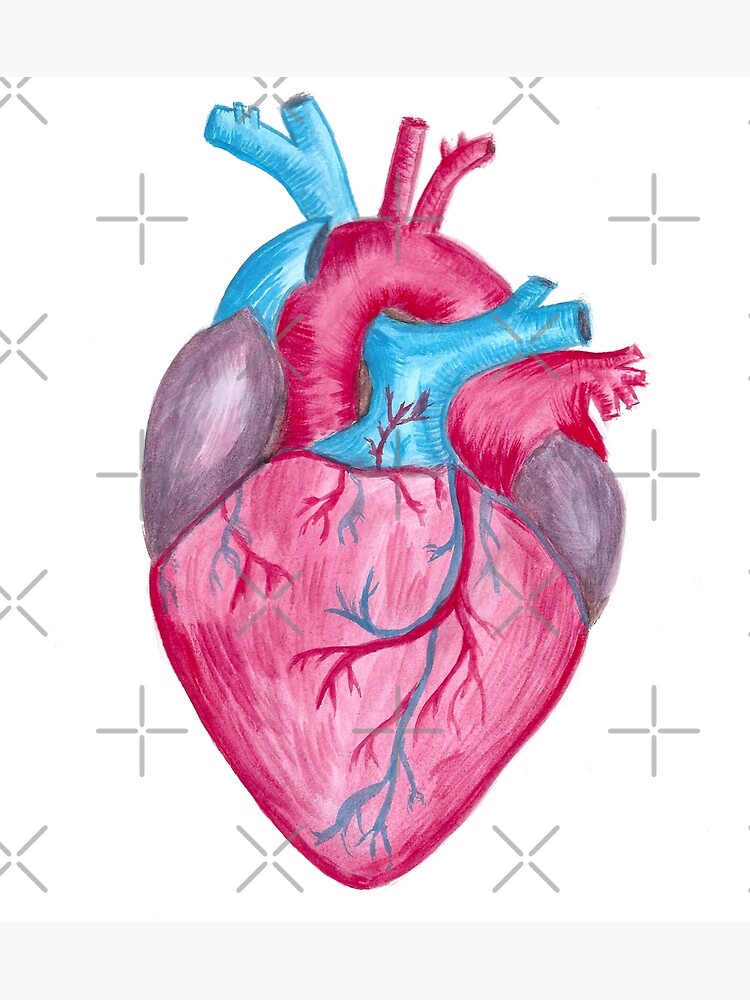
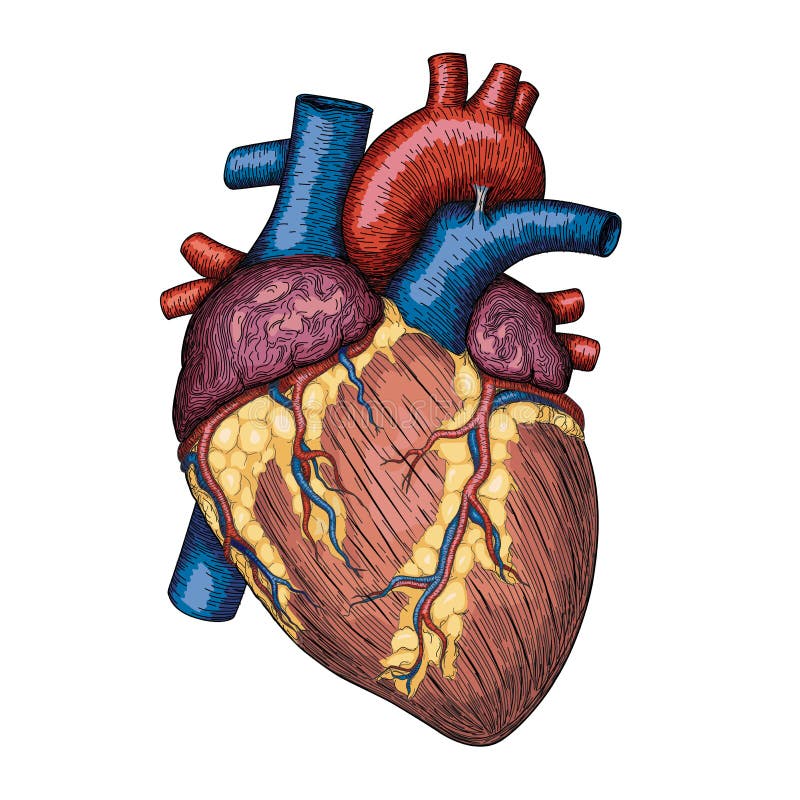

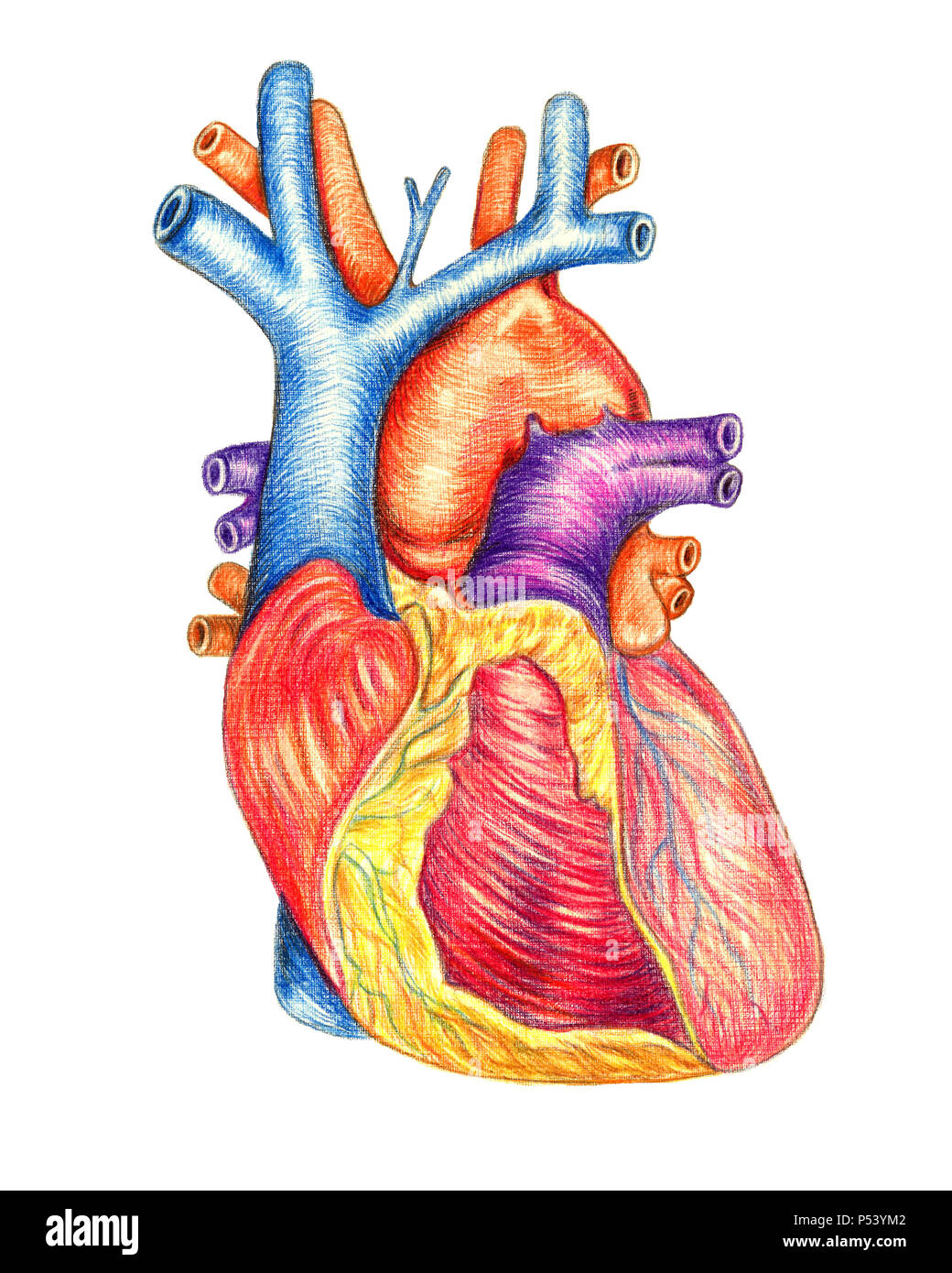





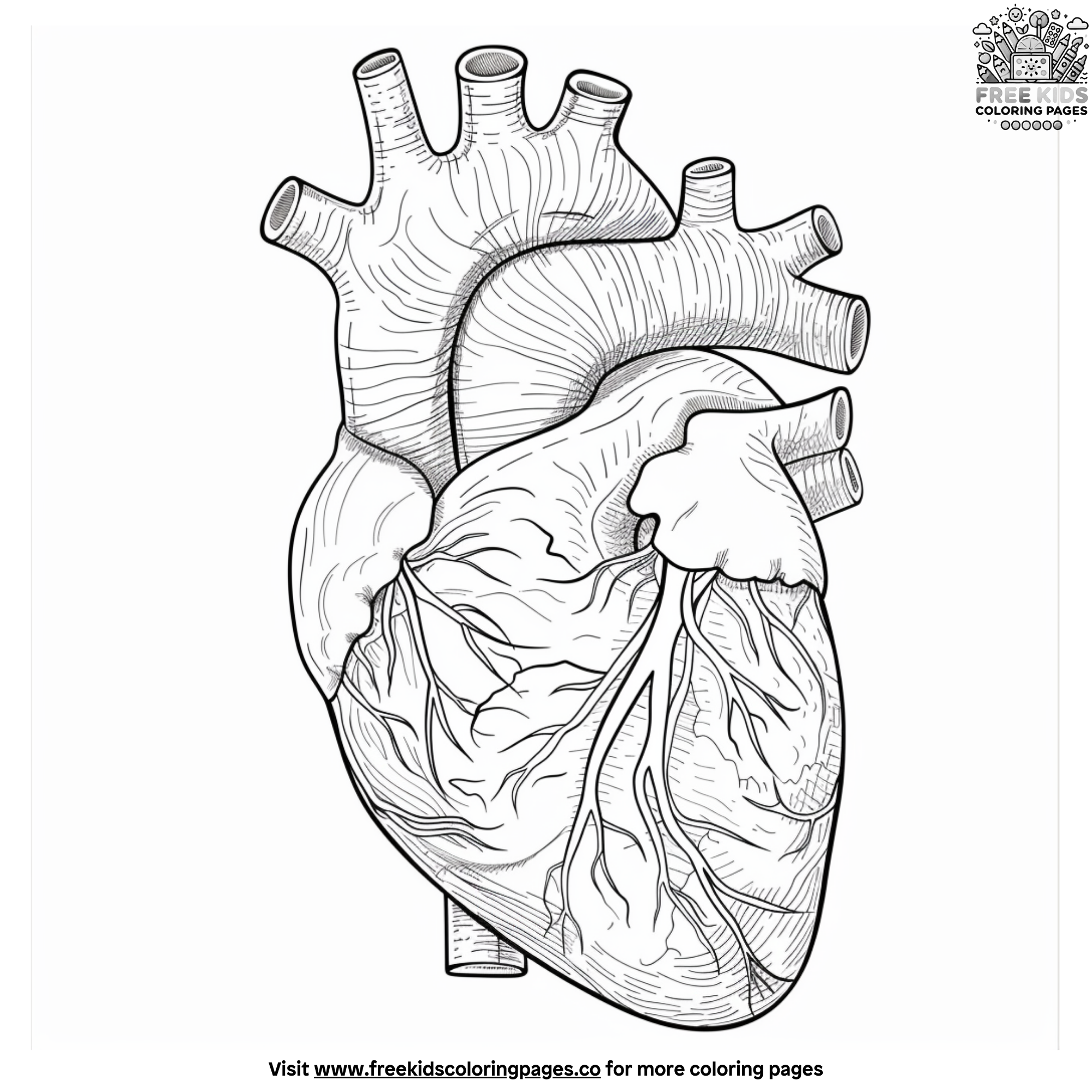
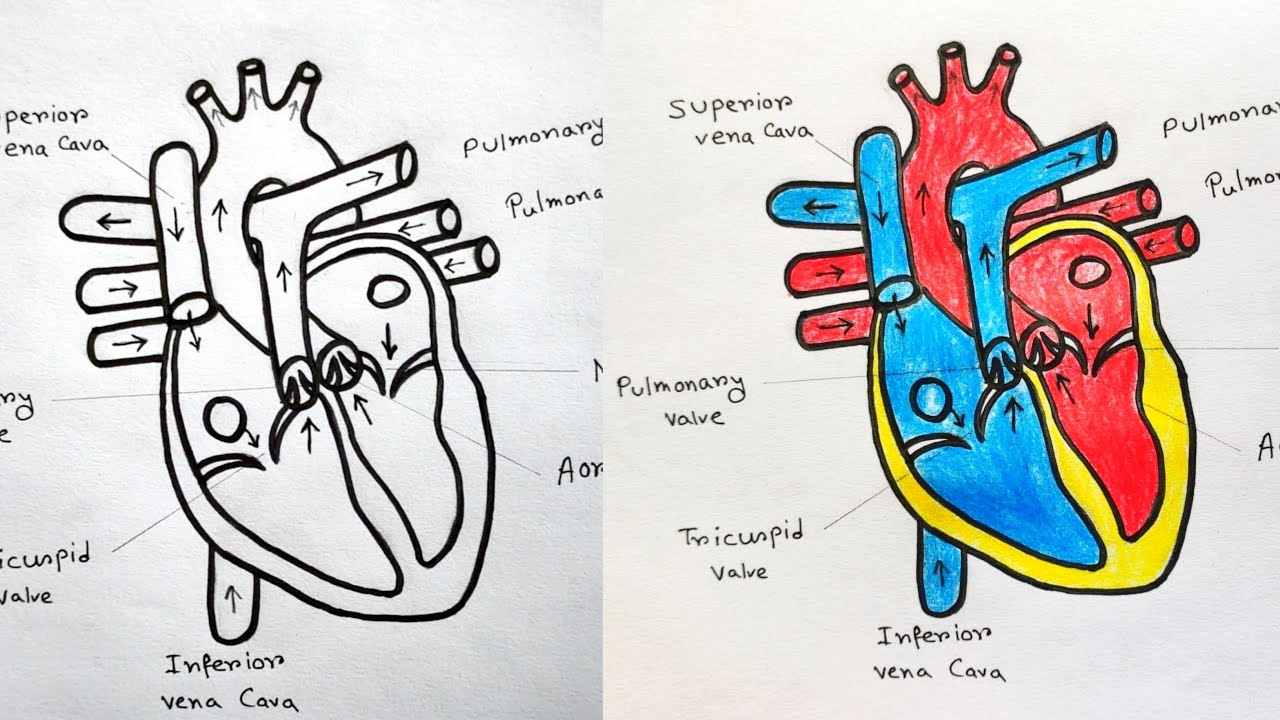





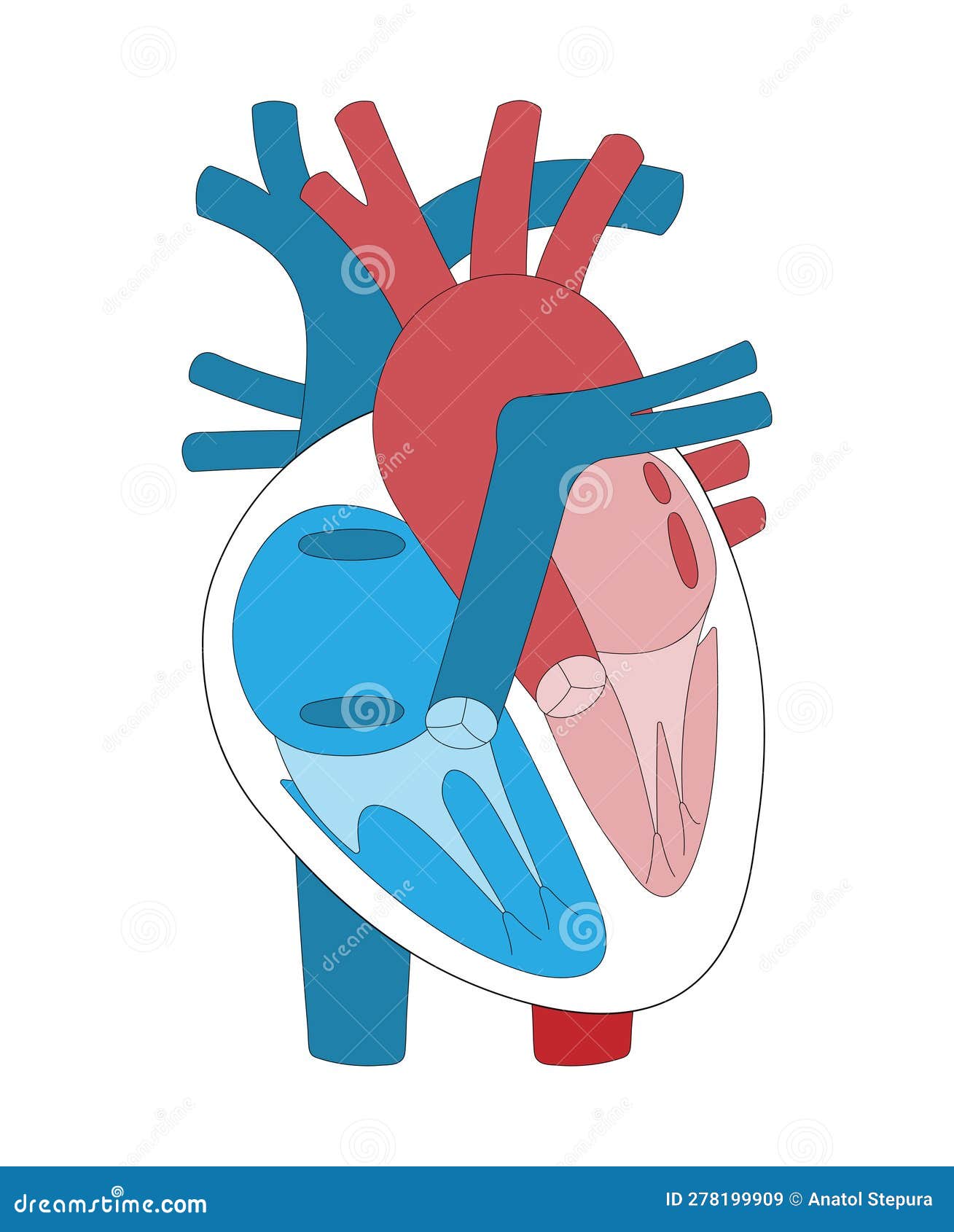


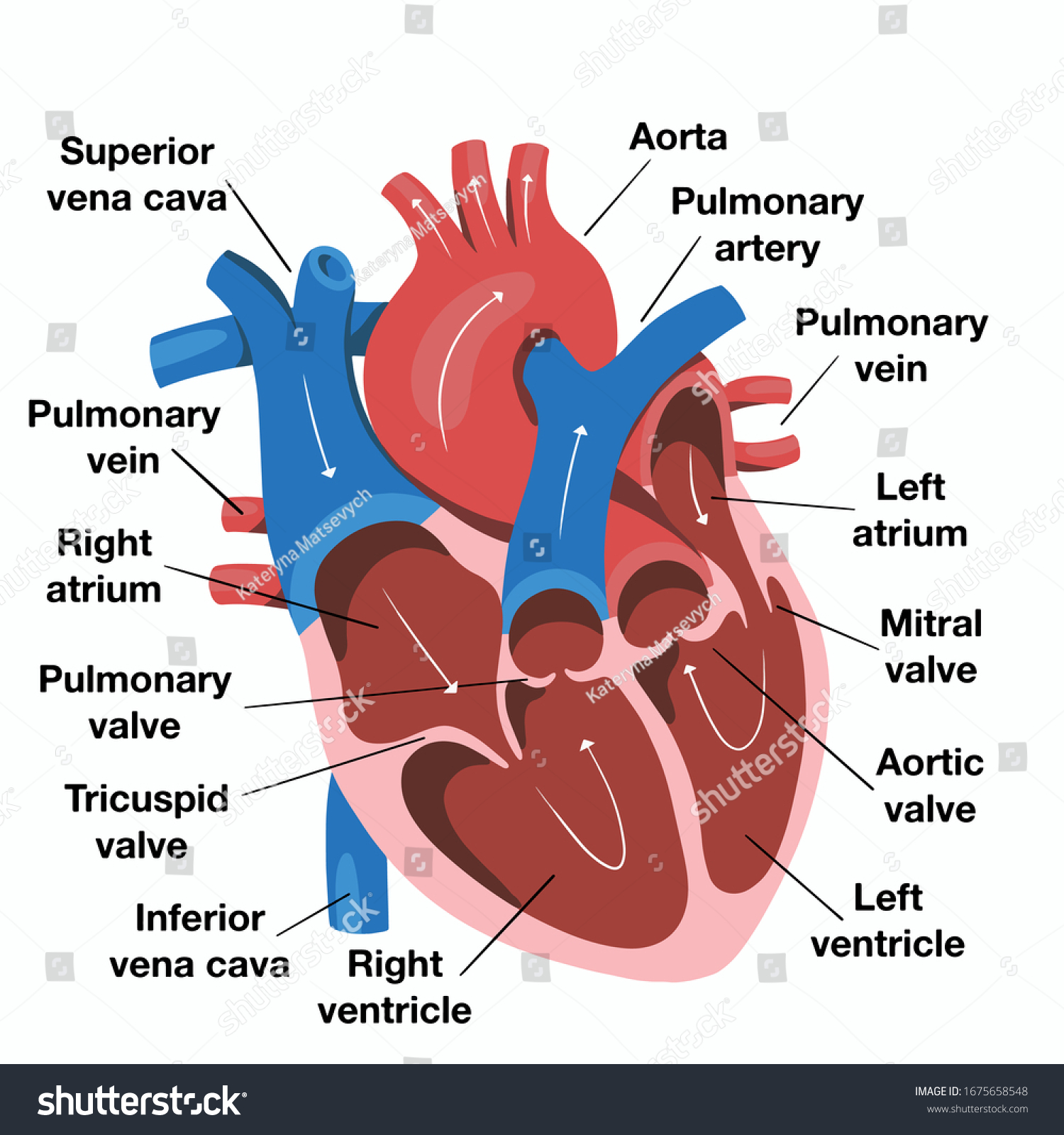
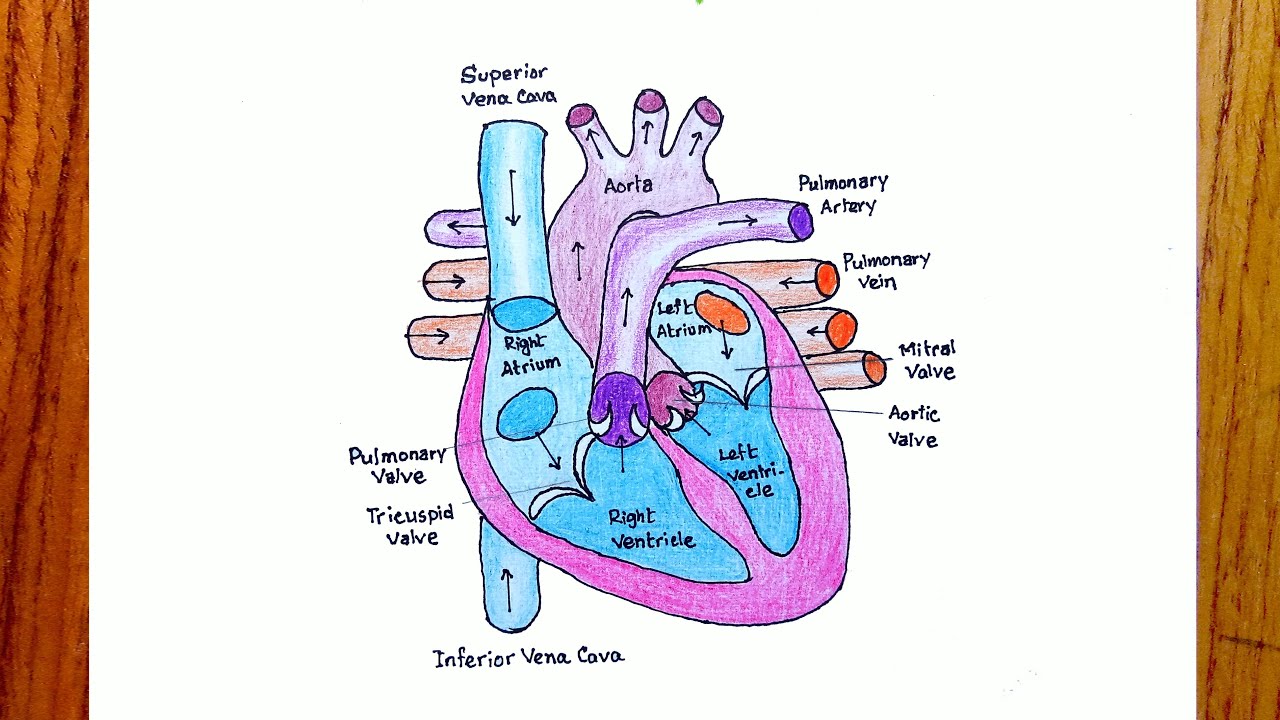
The human heart is a complex organ that serves as the center of the cardiovascular system. It is responsible for pumping blood throughout the body via a vast network of blood vessels. But what happens when you remove the blood from this vital organ? What color does the heart become without the red oxygenated blood flowing through it? In this article, we will examine the anatomy of the heart.. Use Crayola® crayons, colored pencils, or markers to color the human heart. Color the areas numbered 1 red. They are the arteries. Color the areas numbered 2 blue. They are the veins. Did you know? The human heart is made up of two different kinds of blood vessels. Blood vessels are hollow tubes that carry blood all over the human body. The body has three kinds of vessels: arteries, veins.