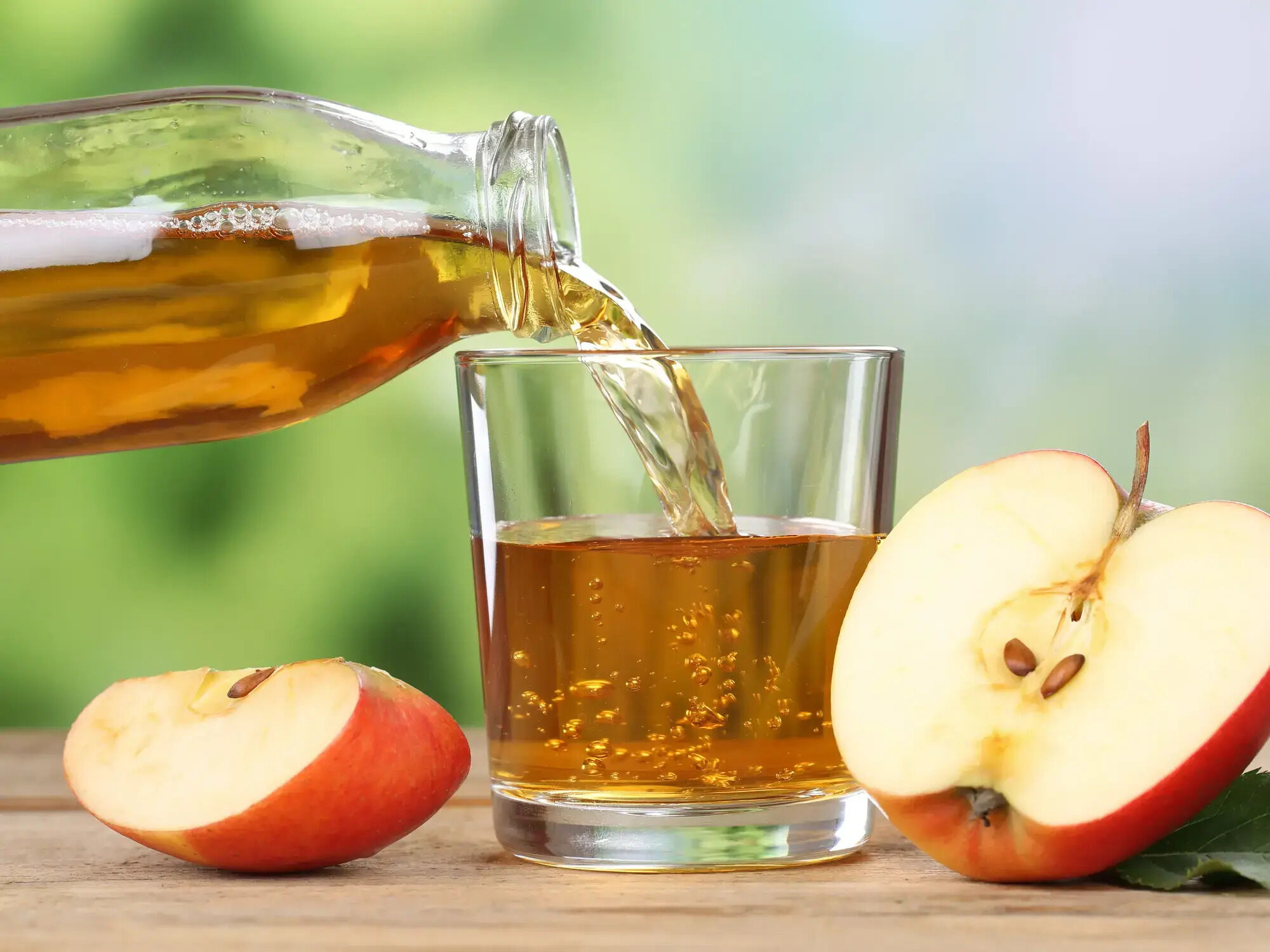
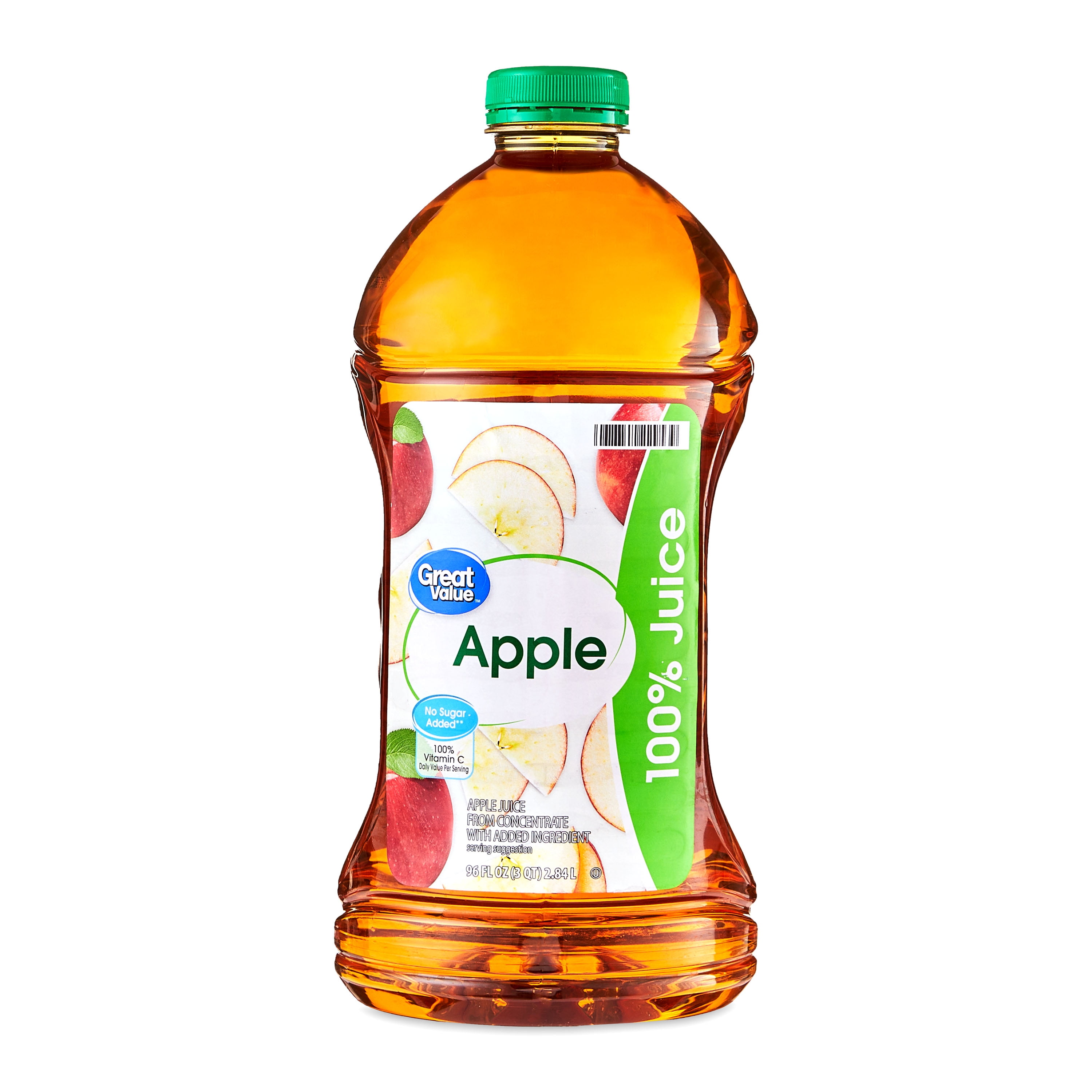
Over 90% of apple juice consumed in North America is made from concentrate, and the final product's color can range from clear, pale yellow to dark amber. This variation often leads to consumer questions, with many wondering, 'Does apple juice have color?' and what that means for their nutrition diet. The answer lies in the complex interplay of natural pigments, enzymatic reactions, and.. The color of apple juice is influenced by a variety of factors that occur during the entire production process, from the choice of apples to the methods of extraction and preservation. Understanding these factors helps explain why apple juice can range in appearance from pale yellow to deep amber. One primary factor is the type of apple used.




:max_bytes(150000):strip_icc()/20250918-SEA-AppleJuiceTasteTest-AmandaSuarez-04-0d8adcf2dd614664a3ea78431b0bdc0b.jpg "We TasteTested 11 Apple Juice Brands Discover Our Top Picks for")

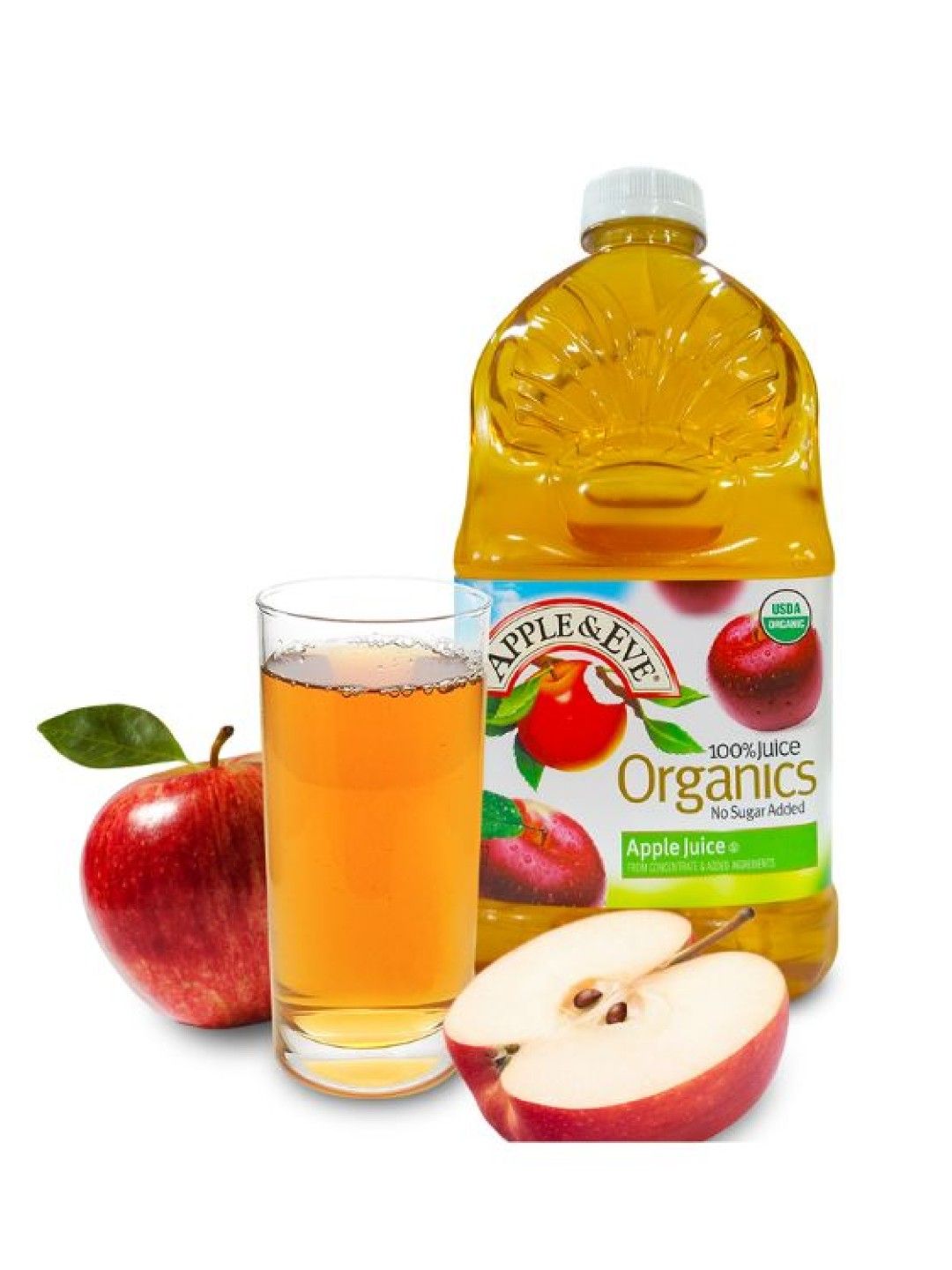

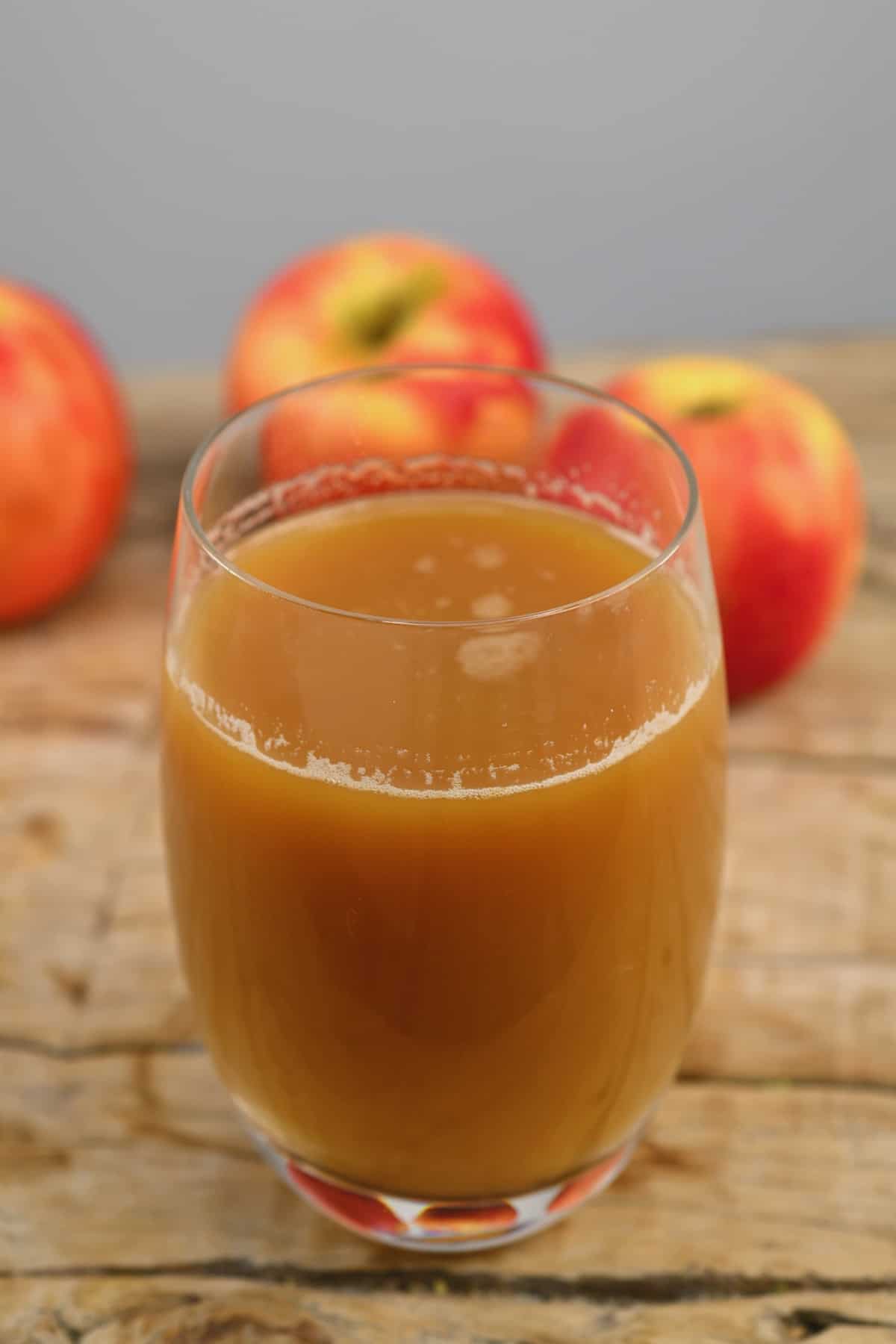

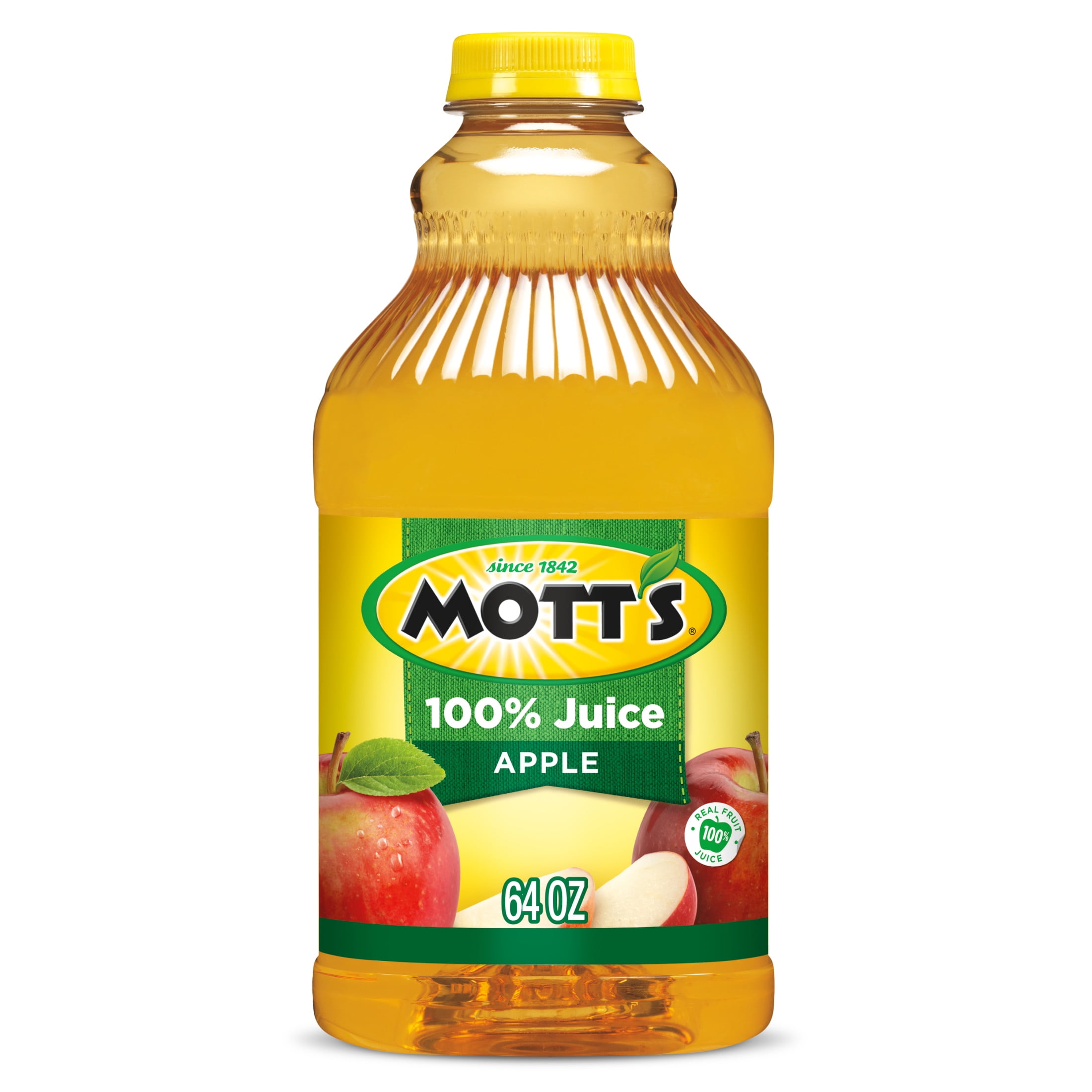
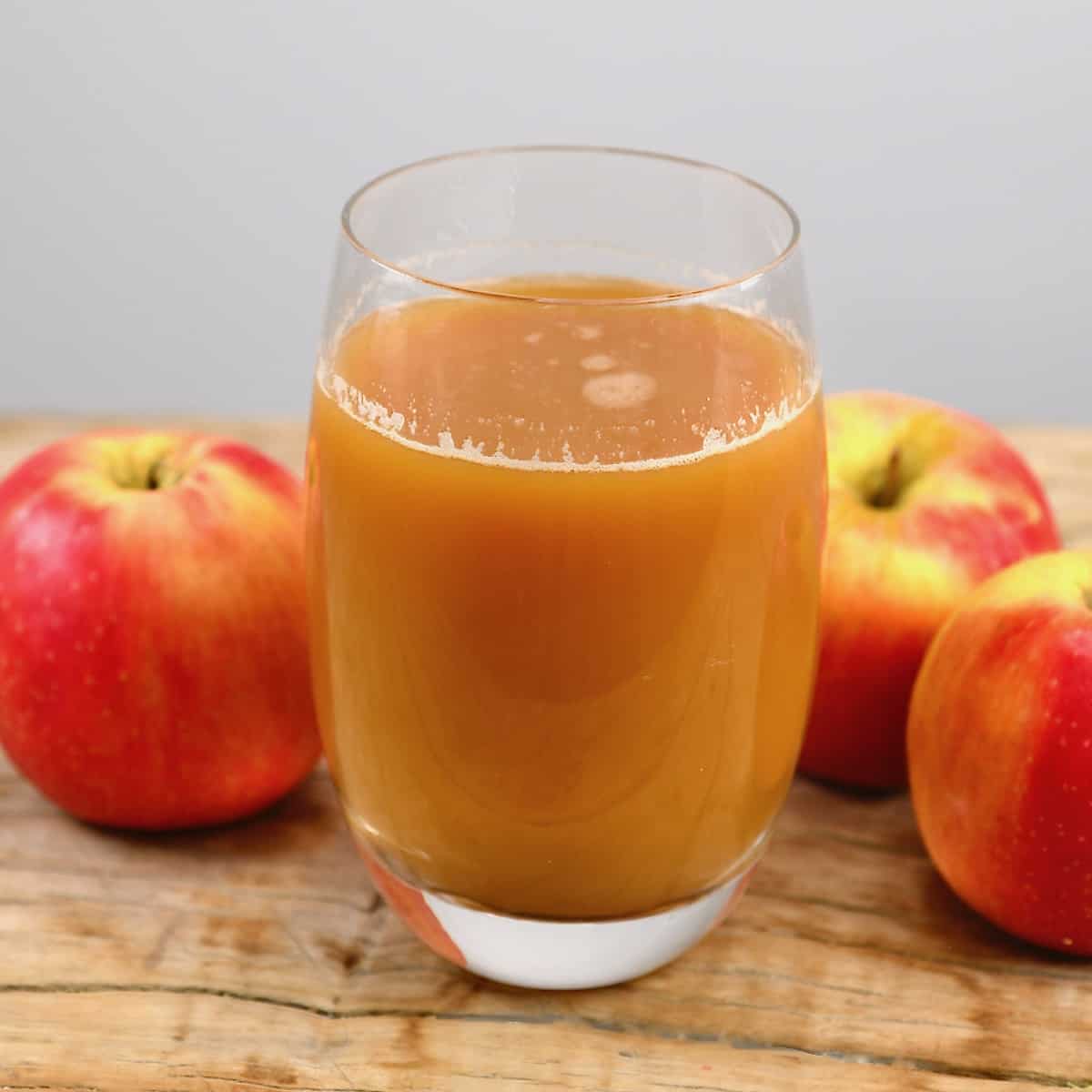
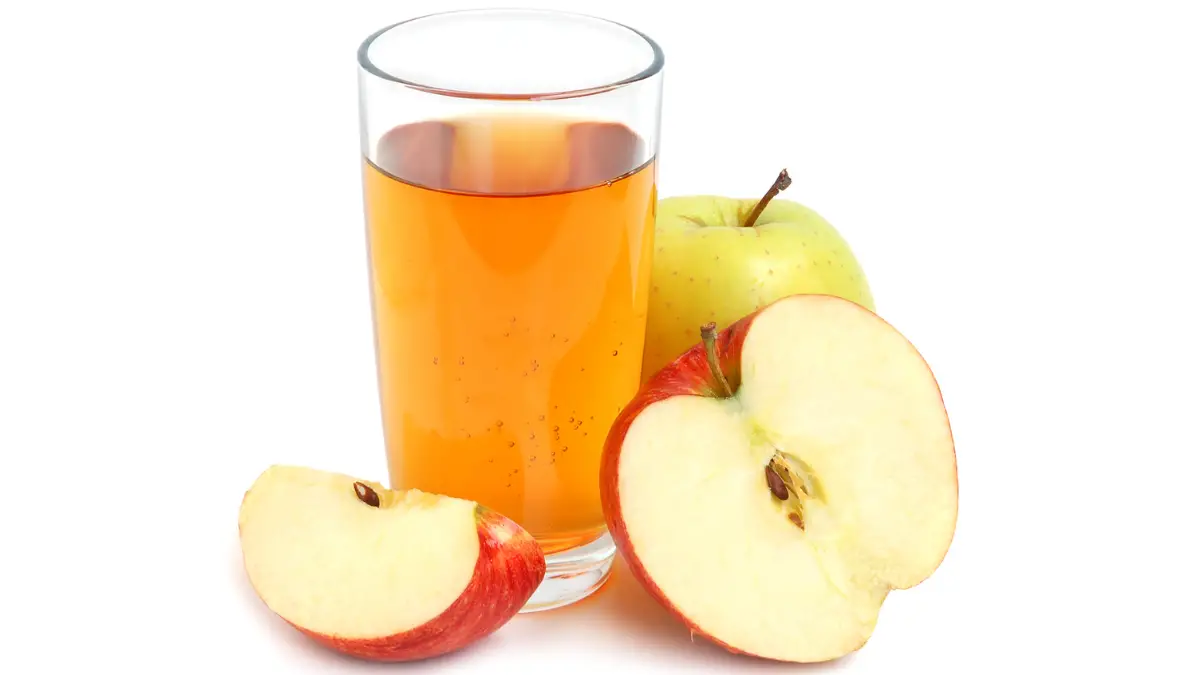

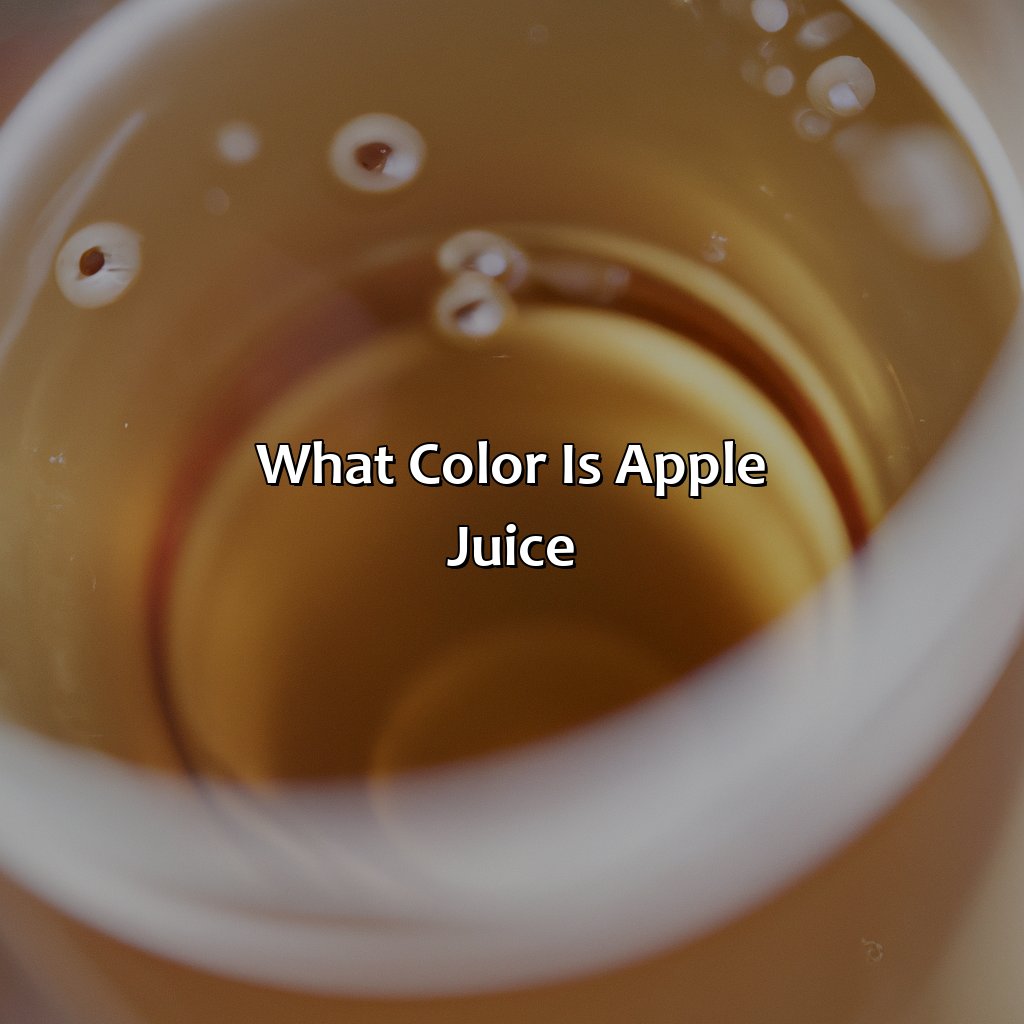
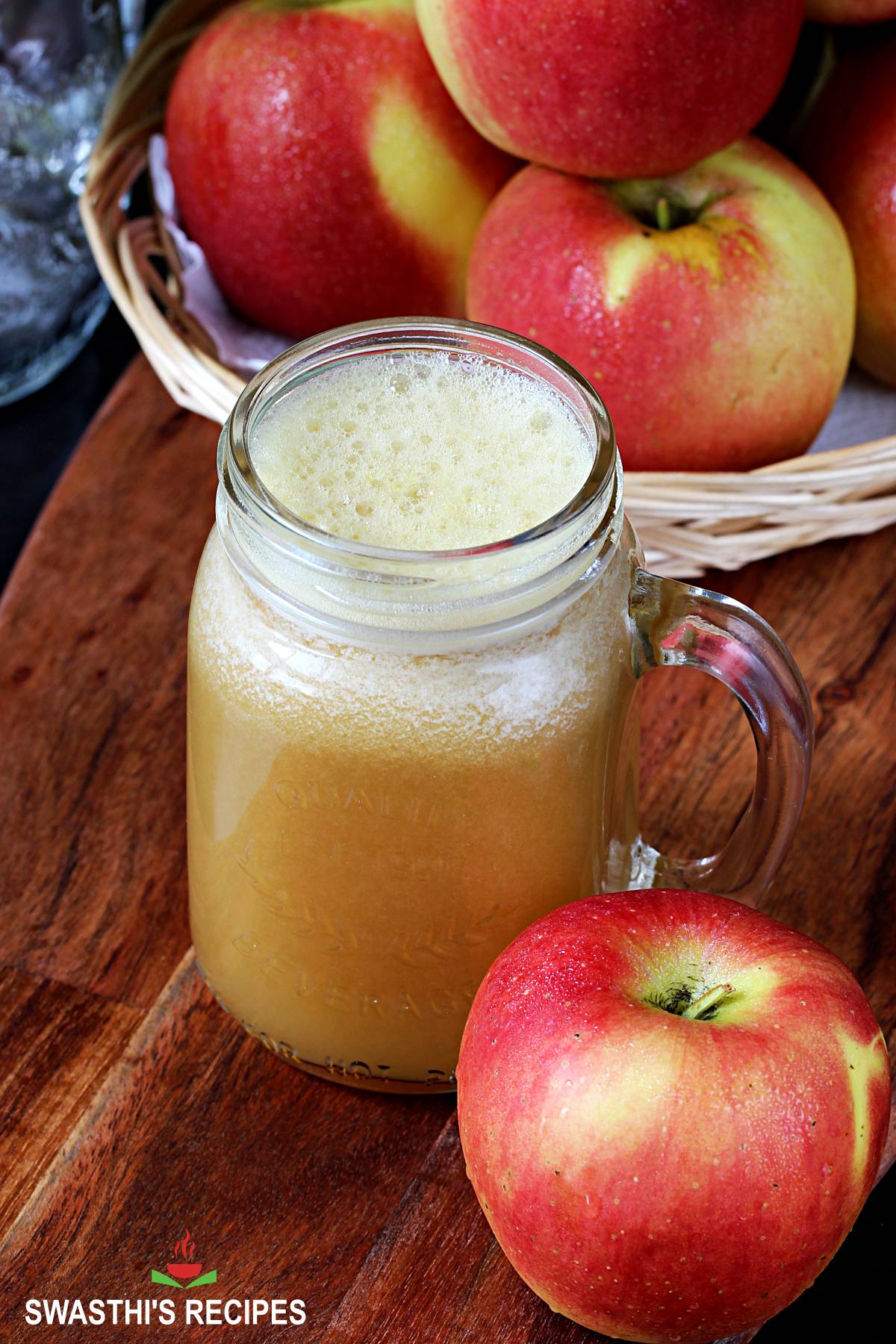
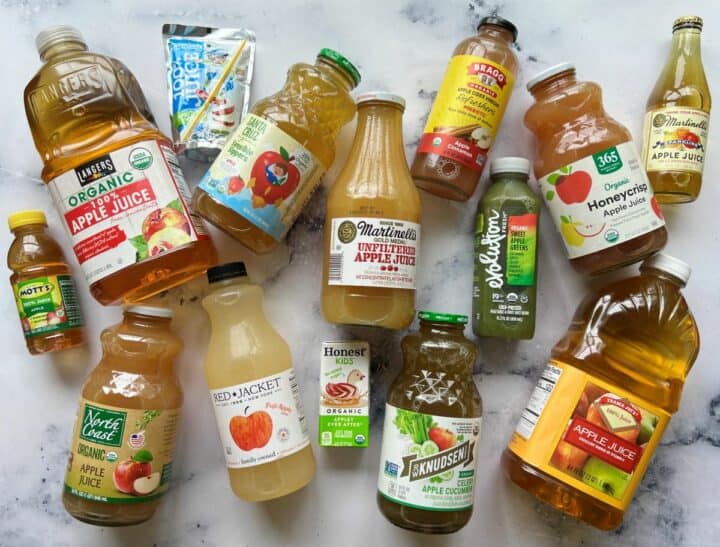
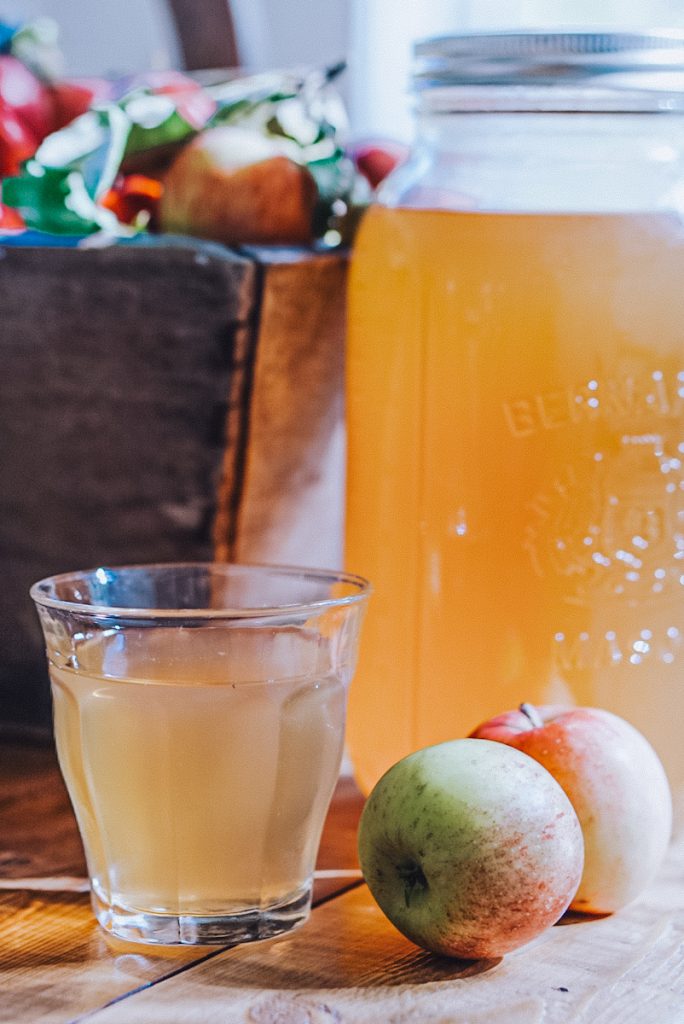

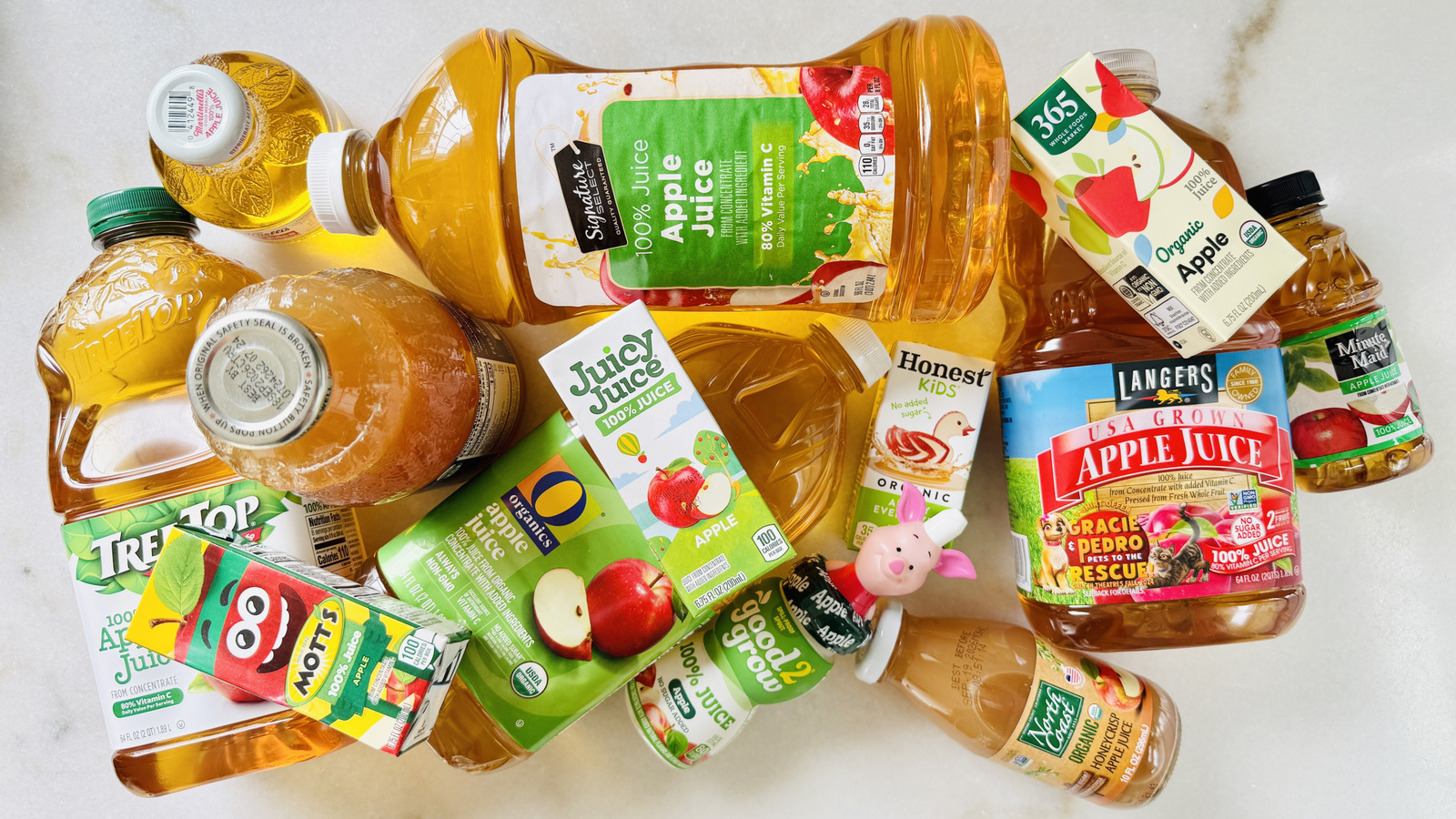

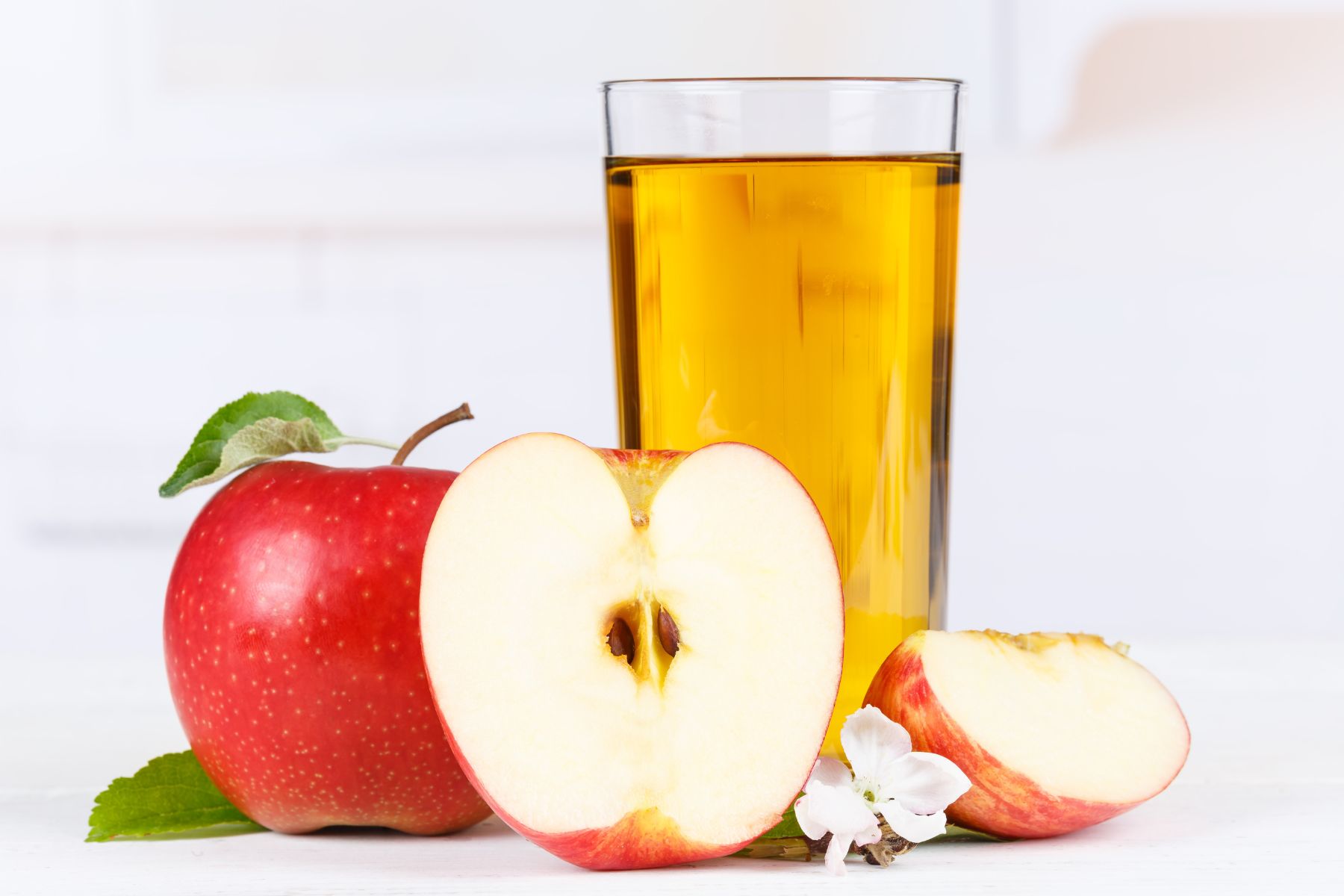

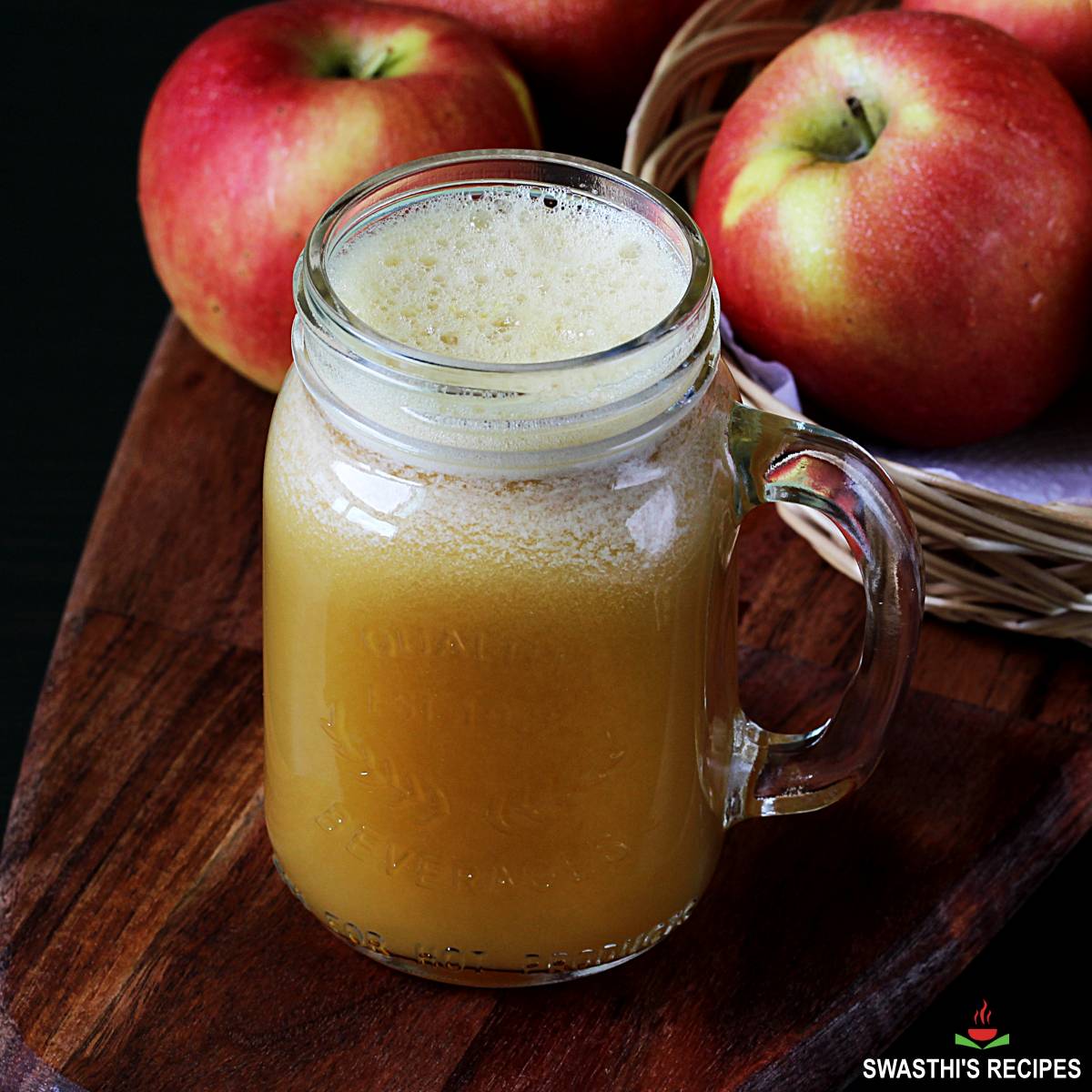
The Answer: Apple Juice is Yellowish-Brown Apple juice can be described as having a yellowish-brown hue. This color is influenced by the presence of natural pigments, such as flavonoids and polyphenols, found in apples and their skins. These pigments give apple juice its characteristic color, which can vary slightly depending on factors such as the variety of apple used and the processing.. In apple juice production, this browning can be minimized through various techniques, but it can still contribute to a slightly darker color. Homemade vs. Store-Bought: Homemade apple juice, often unfiltered and unpasteurized, will likely have a different color than store-bought juice.