Introduction to steroid structure and synthesis a, The general steroid
Web.Malee.Online·
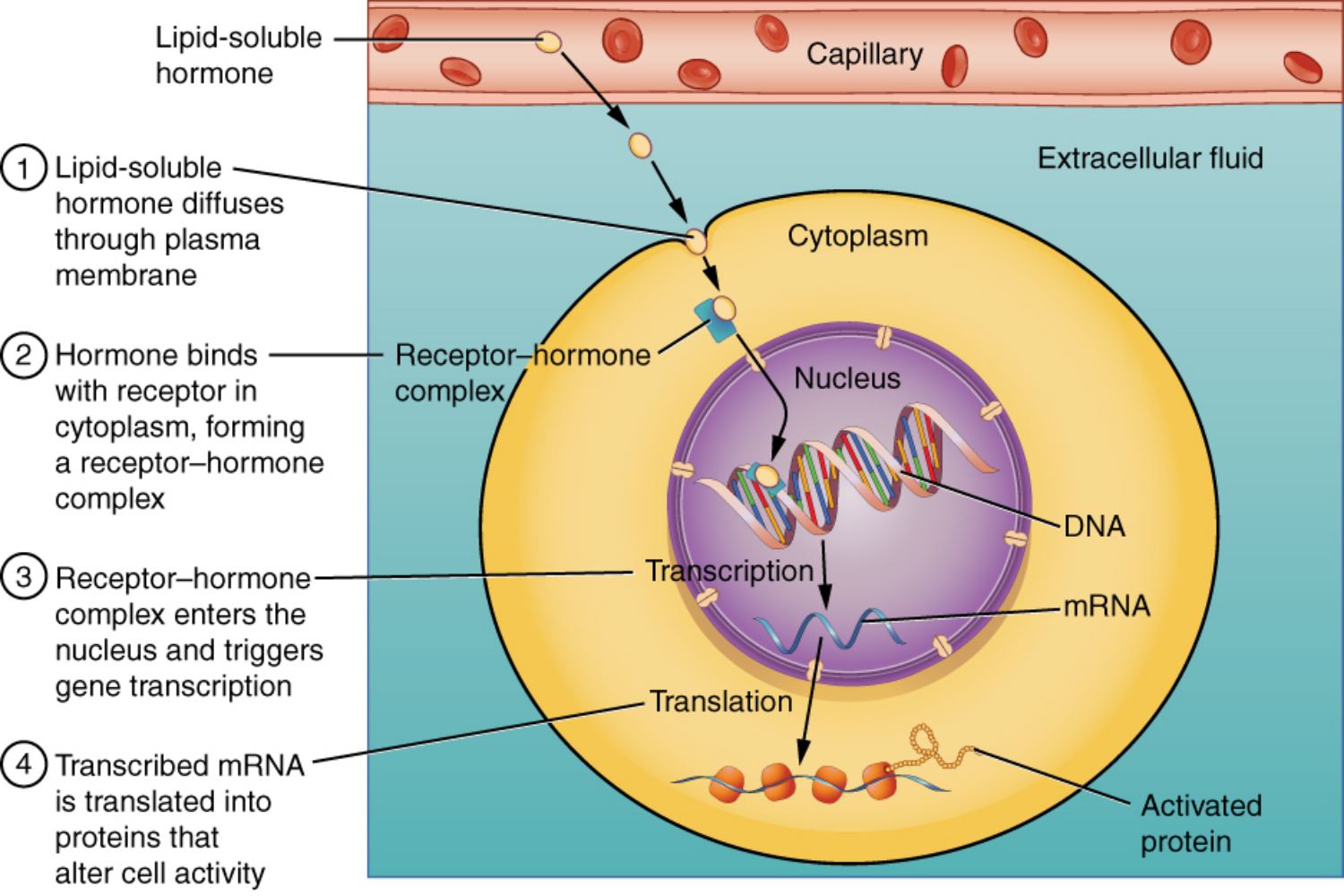
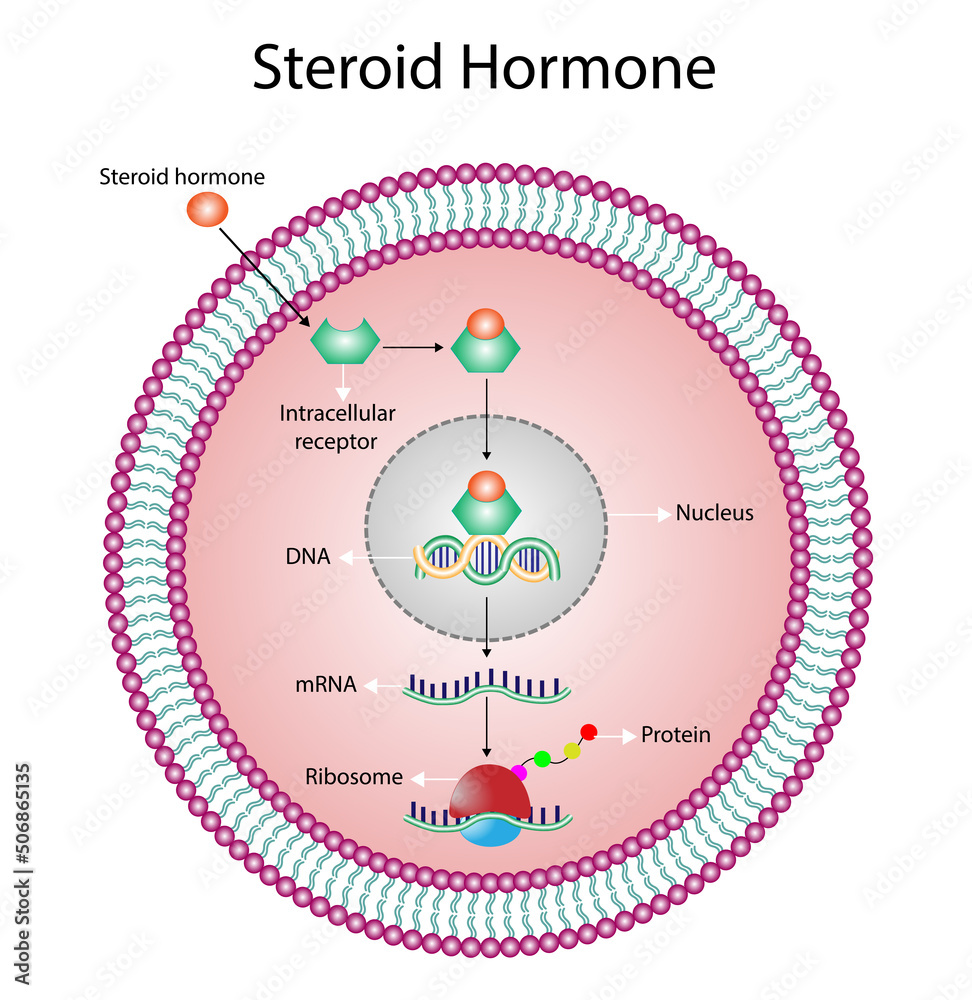
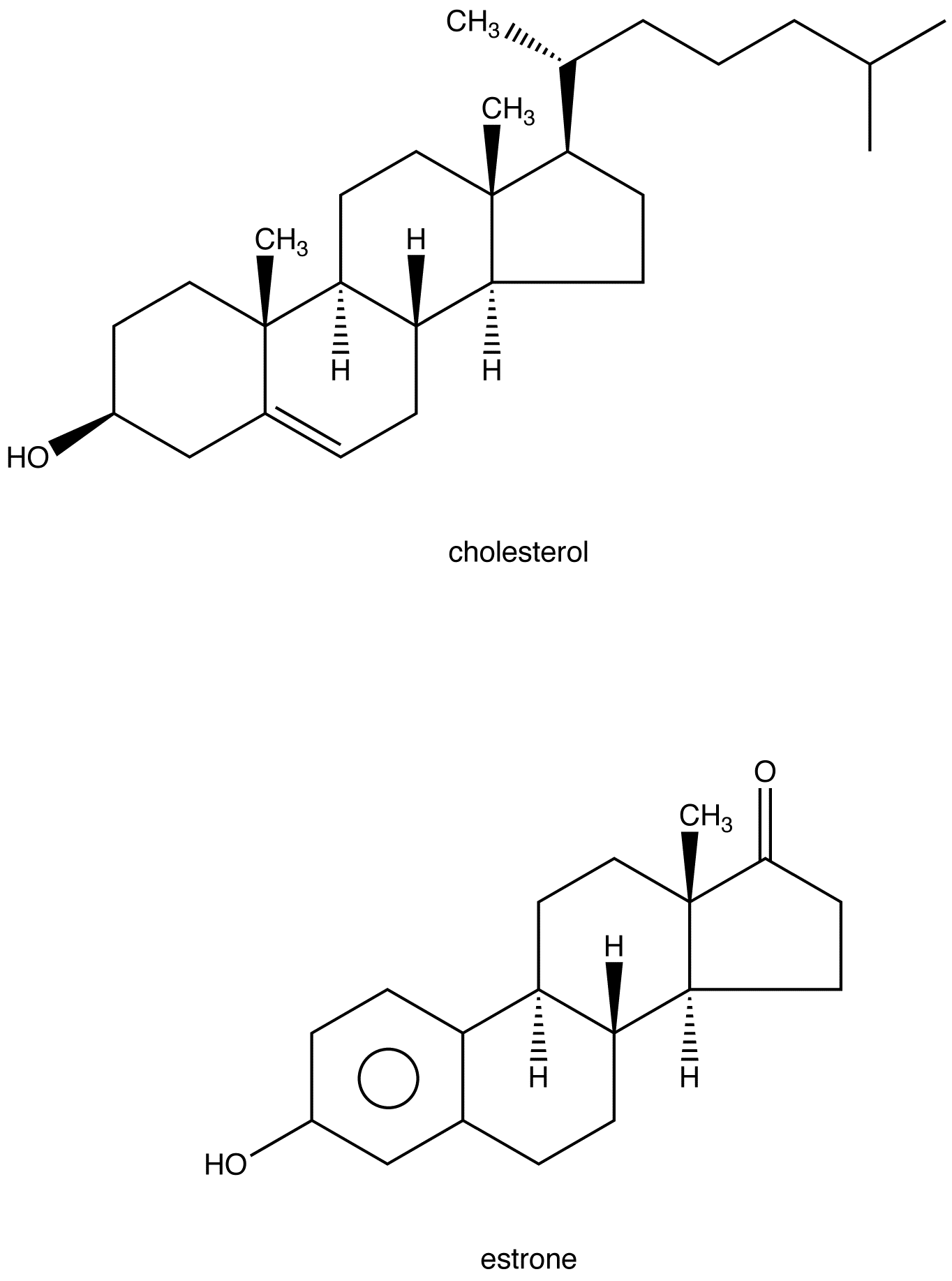
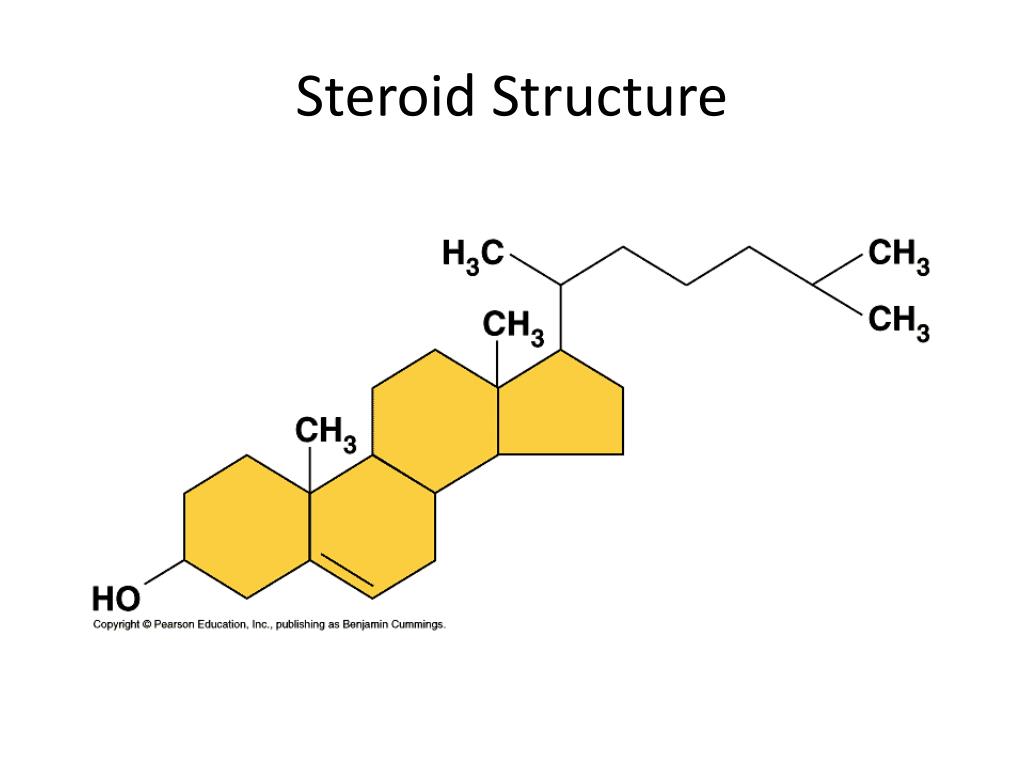
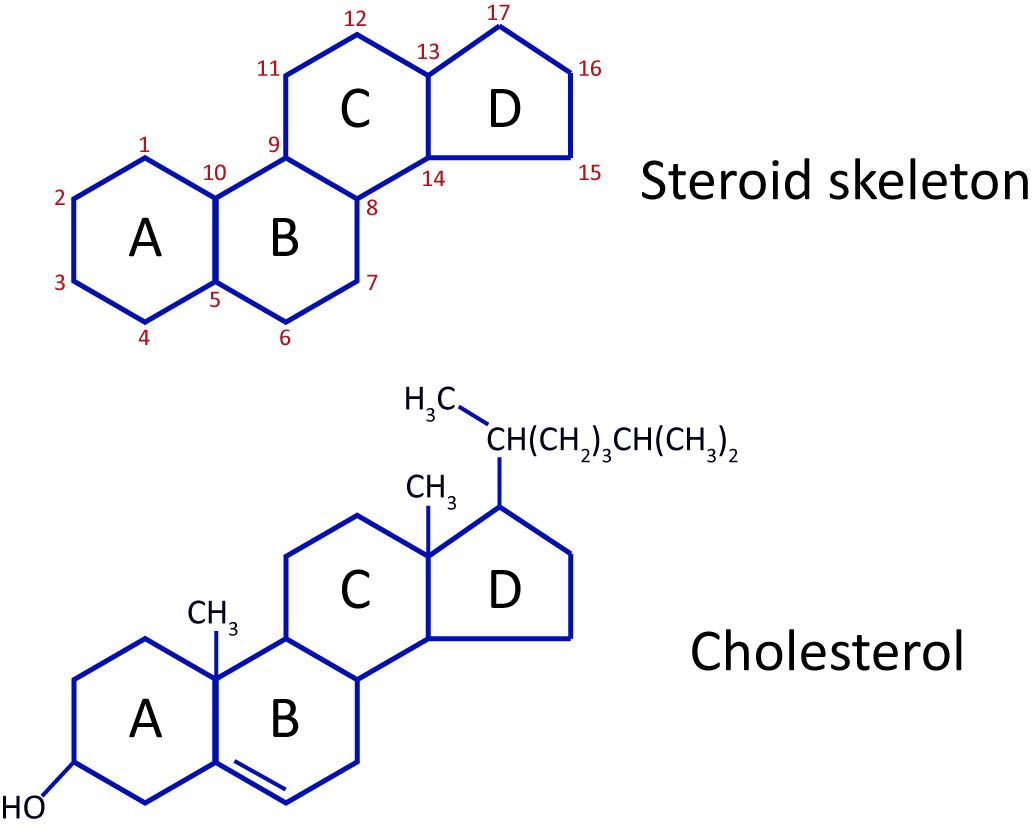
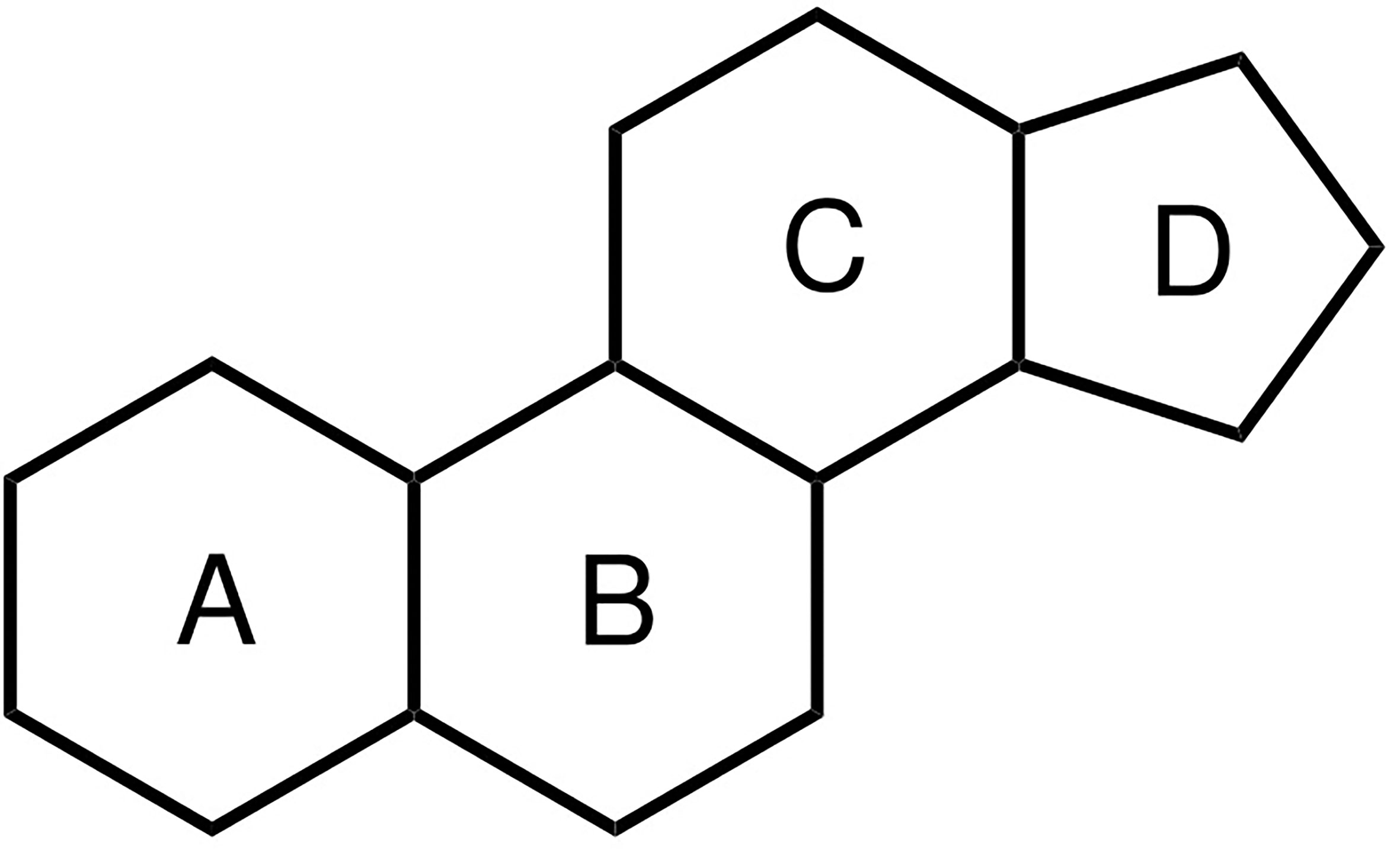
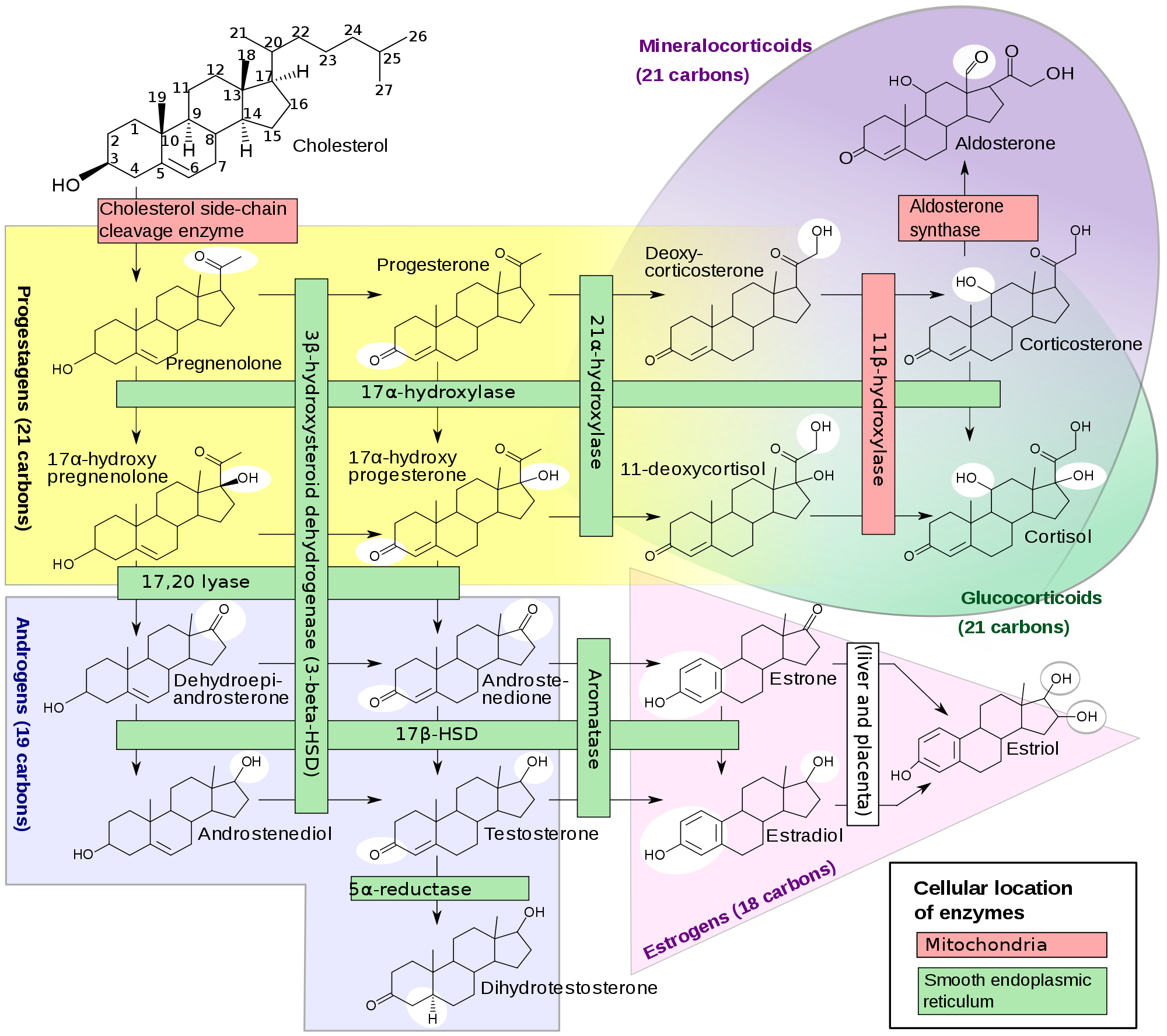
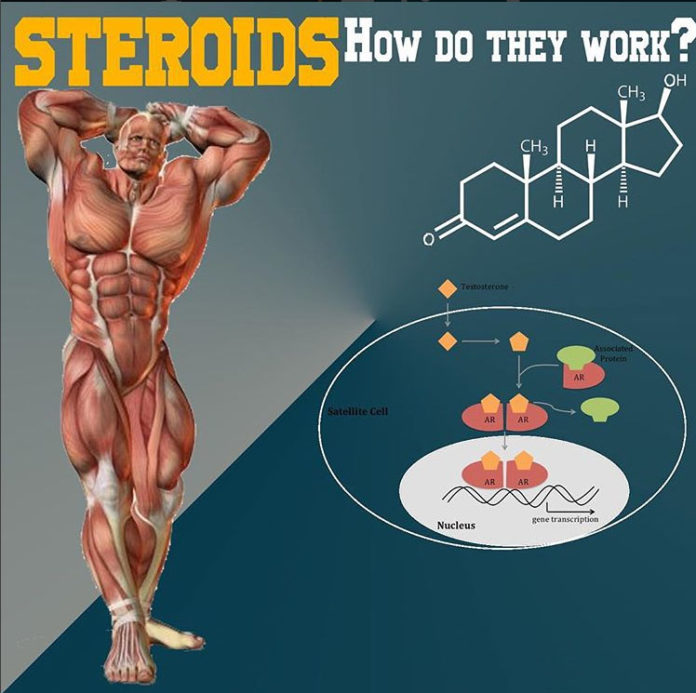
Steroids have a common nucleus, a fused, reduced 17-carbon atom ring system, cyclopentanoperhydrophenanthrene. Most steroids also have two methyl groups and an aliphatic side-chain attached to the nucleus. (From Hawley's Condensed Chemical Dictionary, 11th ed). Steroids are widely distributed in animals, where they are associated with a number of physiological processes. Examples of some important steroids are shown in the following diagram.
What are steroid hormones and how they work? Lifestyle andPathways of steroid hormone synthesis in humans Download ScientificFileAldosterone2Dskeletal.png Wikimedia CommonsStructure of steroids. Download Scientific DiagramSteroid hormones mechanism of action. Steroids Bind to an intracellularExamples of the structures of some synthetic steroid hormones inSteroid Chemistry LibreTextsIntroduction to steroid structure and synthesis a, The general steroidPPT AP Biology teachers PowerPoint Presentation, freeLipids Biology VisionlearningFrontiers Anabolicandrogenic steroids How do they work and what areSignaling Molecules and Cellular Receptors Boundless Biology17.4 Steroids The Basics of General, Organic, and Biological ChemistryChemical structures of steroids. Download Scientific DiagramPPT Lipids, Membranes & the First Cells PowerPoint Presentation IDAll SteroidsChapter 2 Biomolecules Physiology coursebookStructure of the steroids assayed in this work. Download Scientific17.4 Steroids The Basics of General, Organic, and Biological ChemistrySkeleton of a steroid. The rings are marked with aChemical structures of steroids. Download Scientific DiagramSteroids Introduction to ChemistryChemical structures of steroids and avicin D. (A) The basicWhat Are Steroids? The Science Behind SteroidsChemical structures of common steroids. Download Scientific DiagramStructures of endogenous steroids. Download Scientific DiagramChemical structure of steroids discussed in the present paperSteroid WikipediaThe Adrenal CortexSTEROIDS, HOW DO THEY WORK?
Structurally, steroids are derivatives of a reduced 3-ring phenanthrene molecule with a fourth ("D") ring added. The carbons of the A, B, C, and D rings are conventionally numbered 1 through 17.. A steroid is an organic compound with four fused rings (designated A, B, C, and D) arranged in a specific molecular configuration. Steroids have two principal biological functions: as important components of cell membranes that alter membrane fluidity; and as signaling molecules.