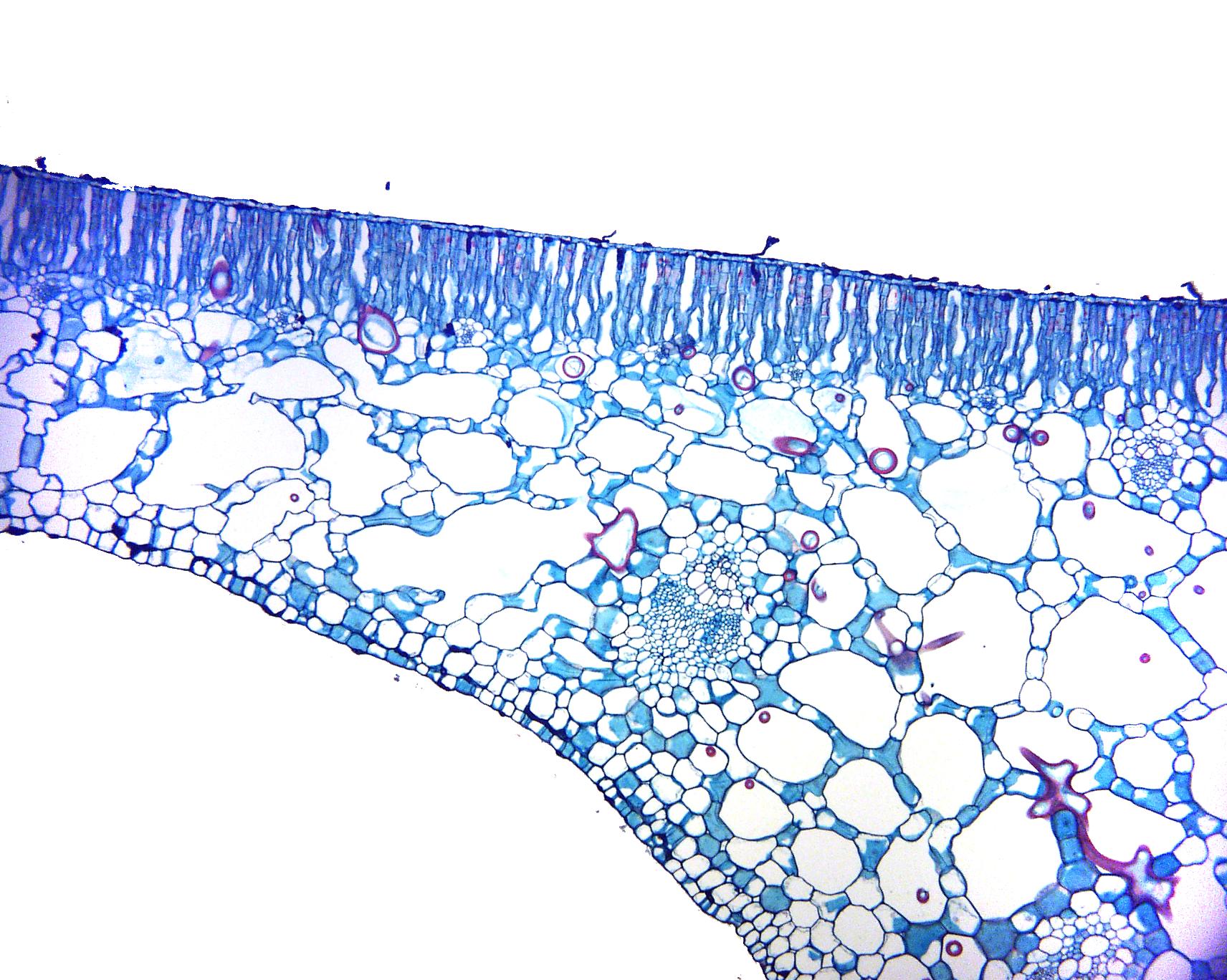
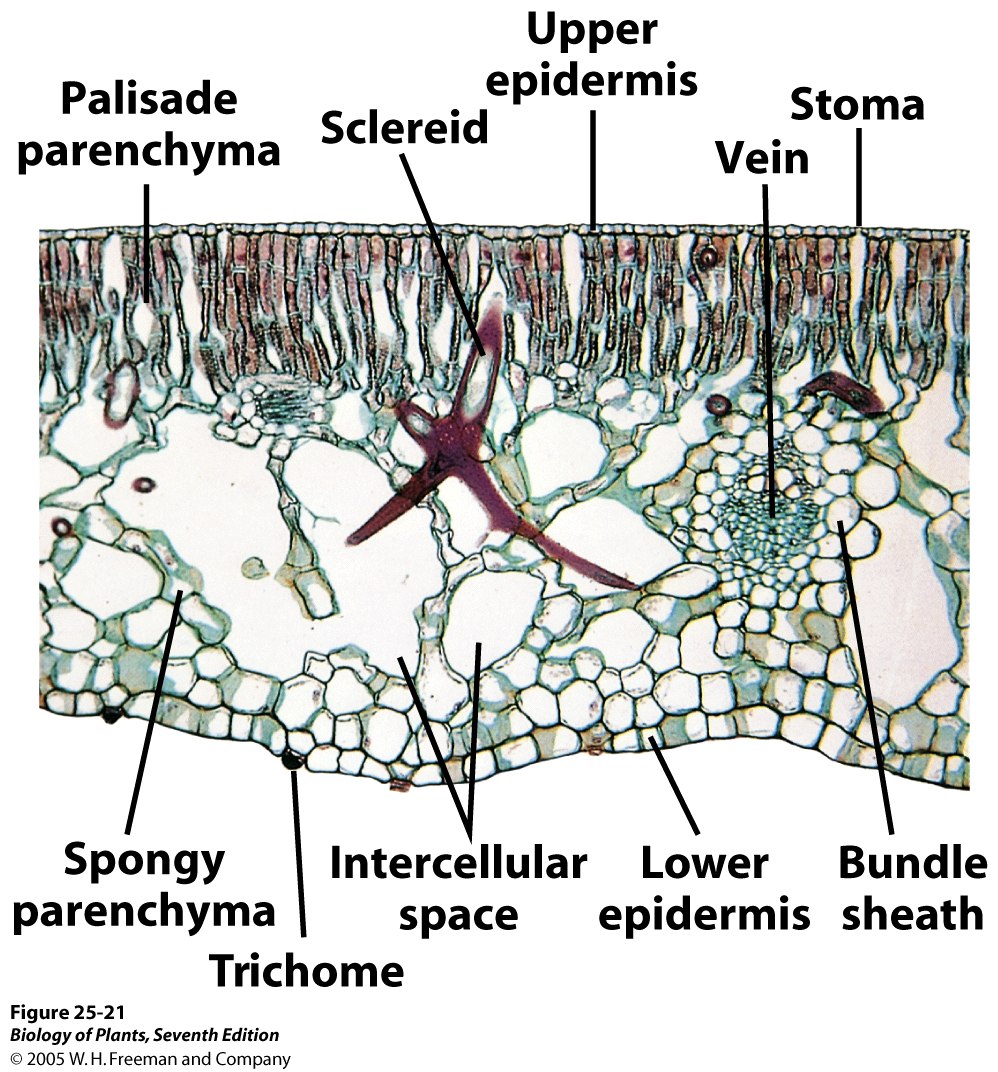
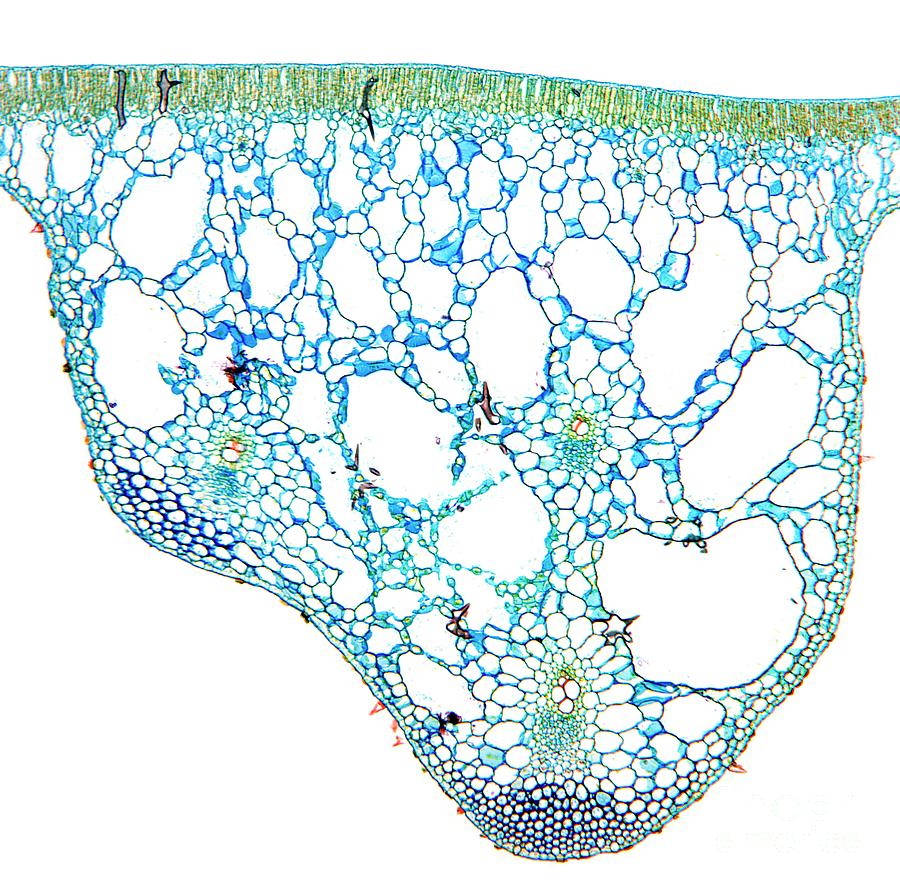
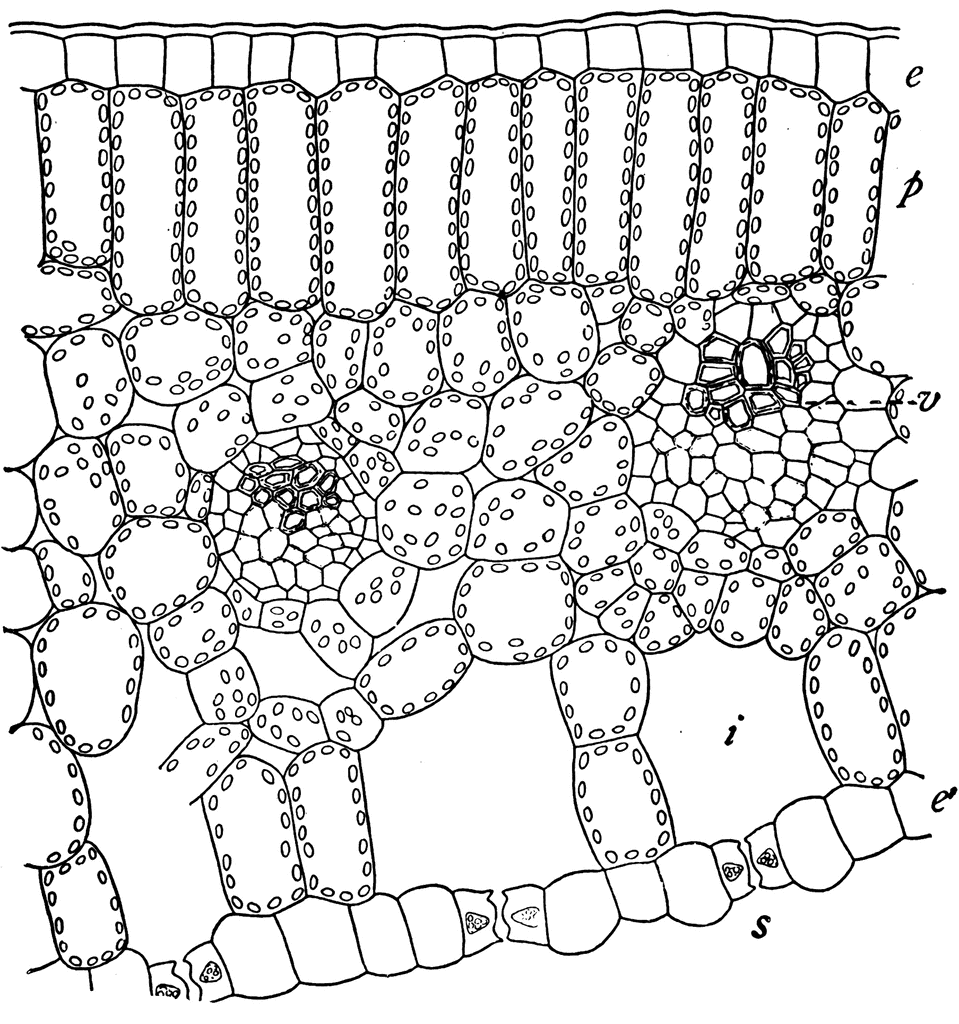
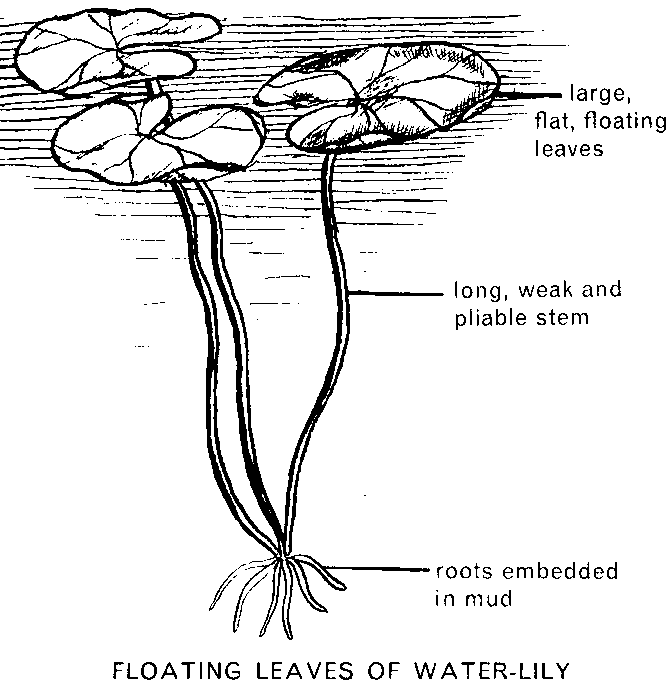
The largest water lilies are those of tropical South America, the three species of the genus Victoria.The taxonomy of the giant water lilies has been contentious, with the group sometimes placed in the genus Nymphaea.The leaf margins of the Amazon, or royal, water lily (V. amazonica, formerly Victoria regia) and the Santa Cruz water lily (V. cruziana) have upturned edges, giving each thickly.. Within the lily stem, there are vascular bundles that transport water, nutrients, and sugars throughout the plant. These bundles consist of xylem and phloem tissues. Xylem vessels carry water and minerals from the roots to the rest of the plant, while phloem tubes transport sugars produced during photosynthesis to different parts of the lily.


![[DIAGRAM] Diagram Of Water Lily Flower](http://2.bp.blogspot.com/-k53P0kQM7ZY/UQu7N-lKLJI/AAAAAAAADVc/yJgpTBqlg1w/s1600/Water-Lily-4.jpg "[DIAGRAM] Diagram Of Water Lily Flower")


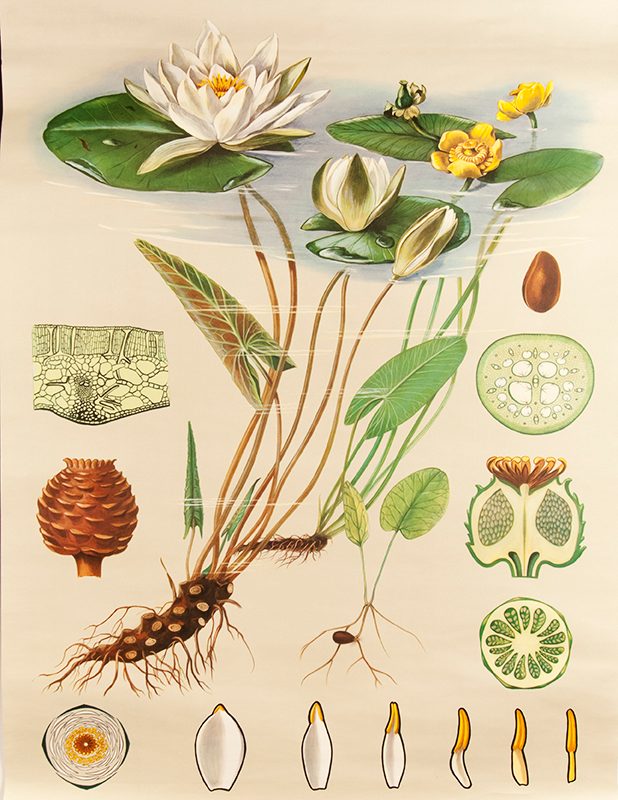



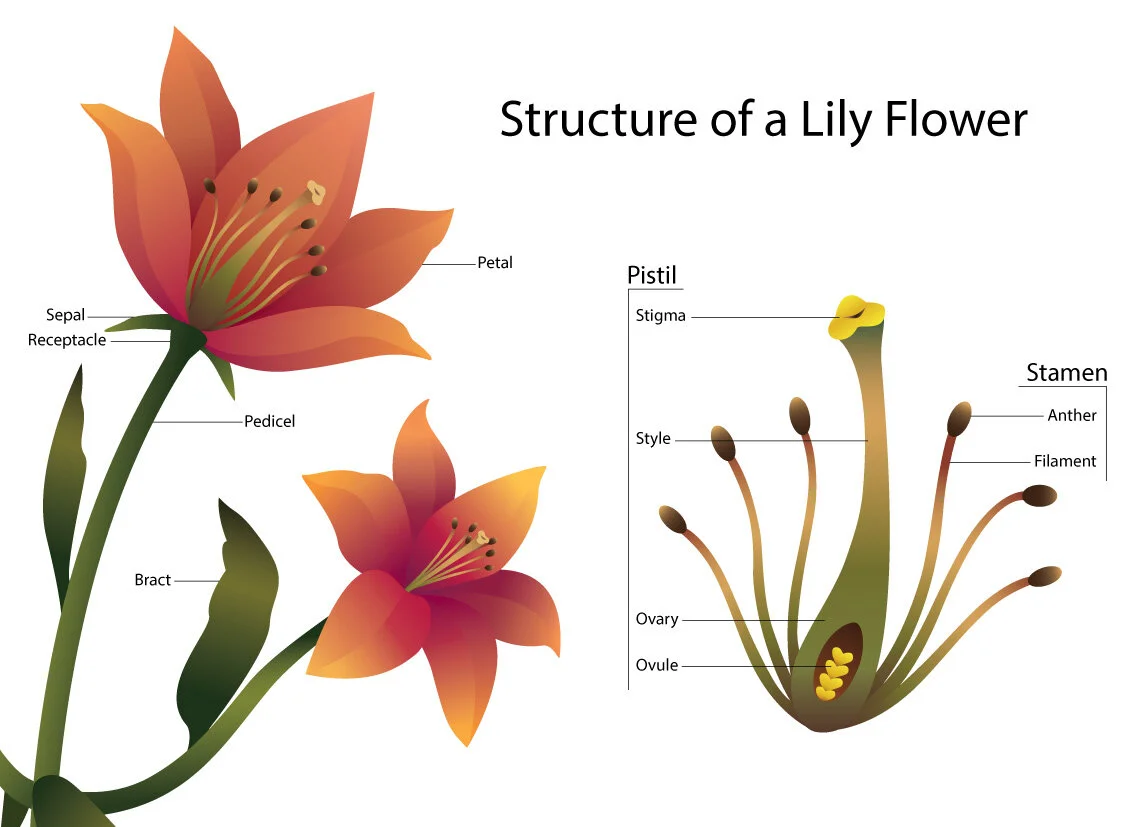
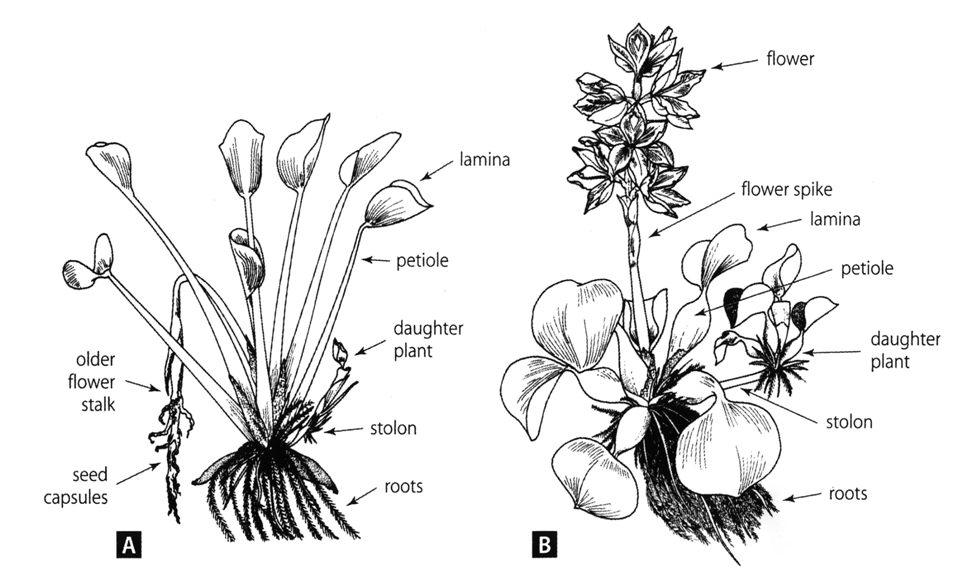

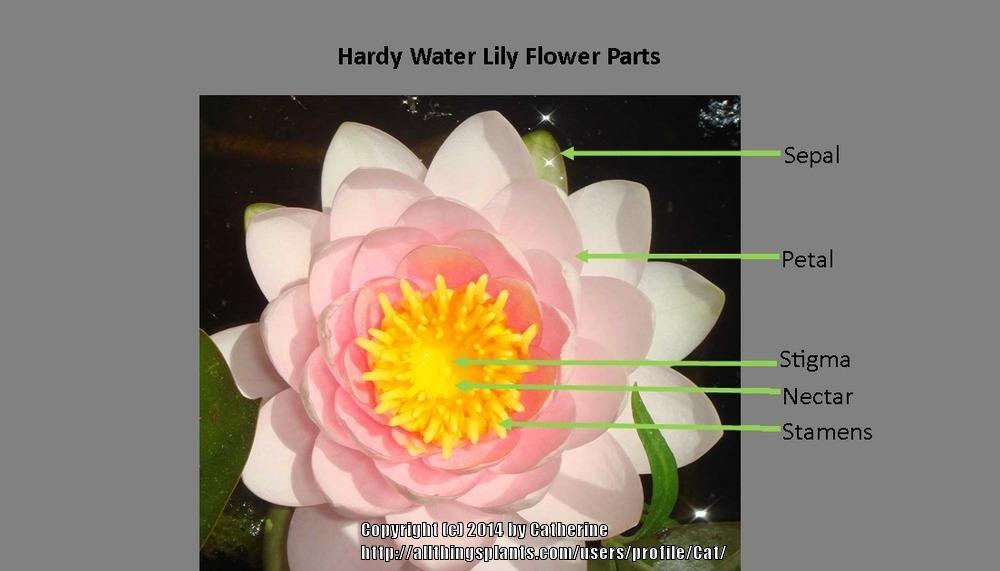
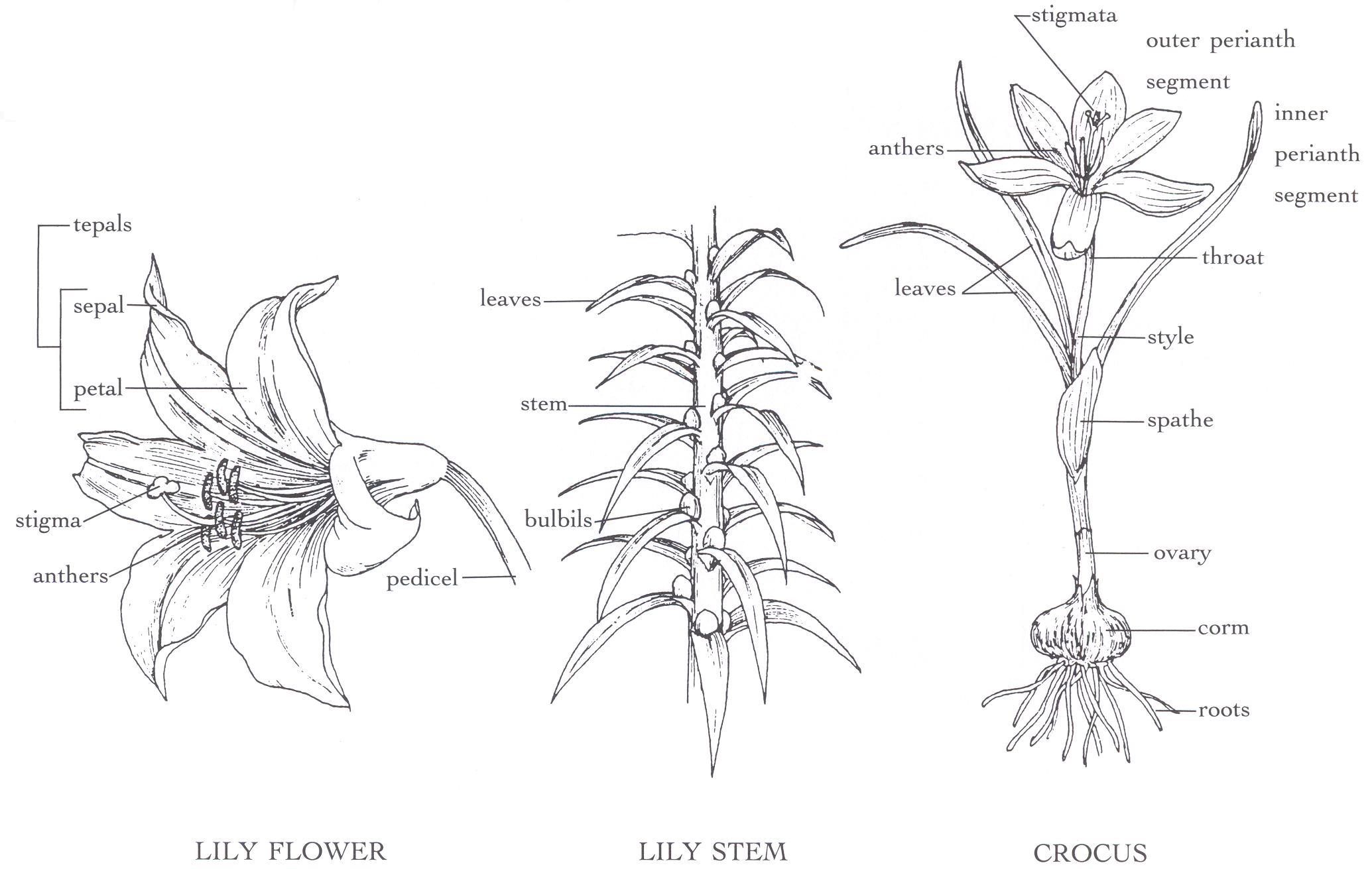
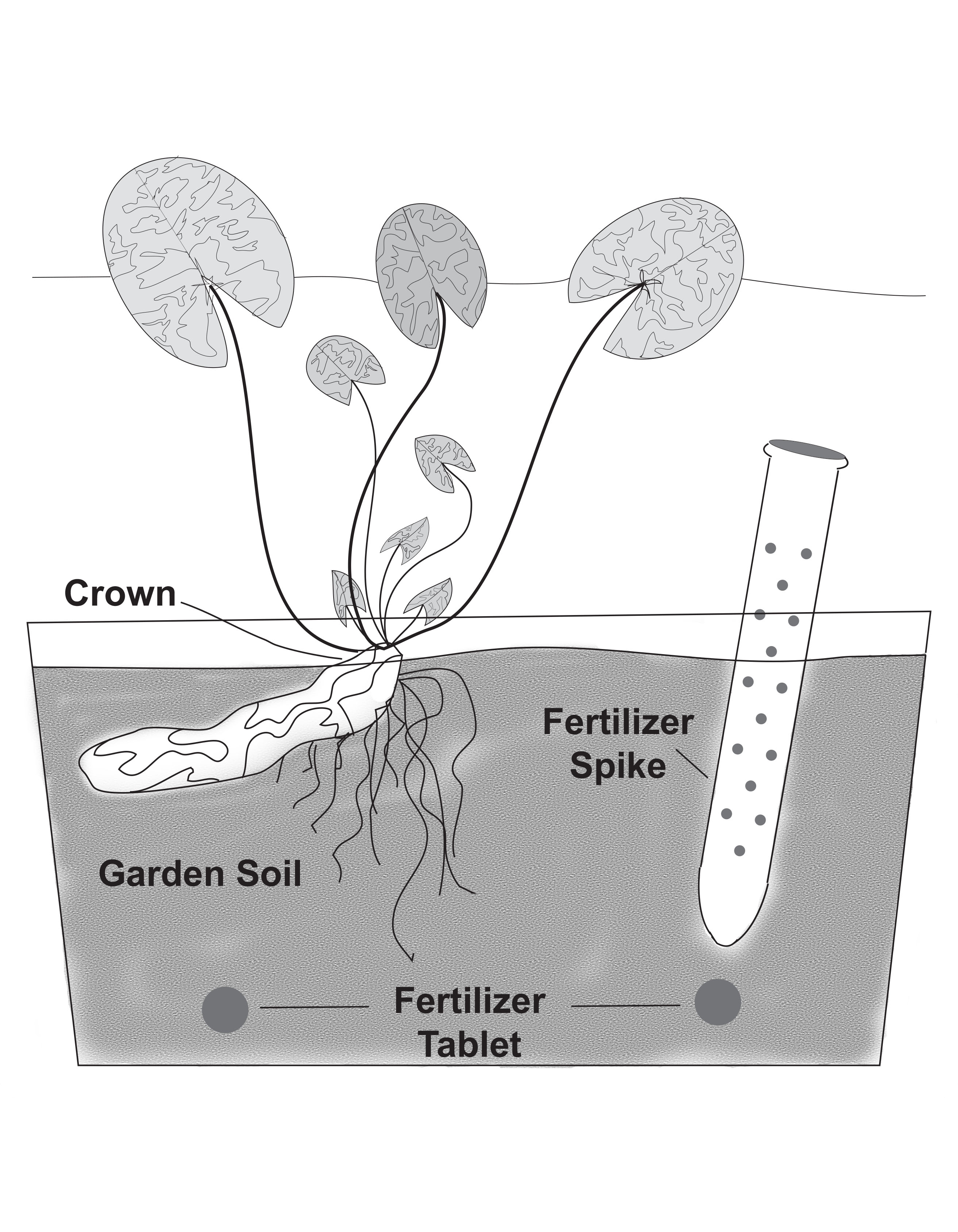


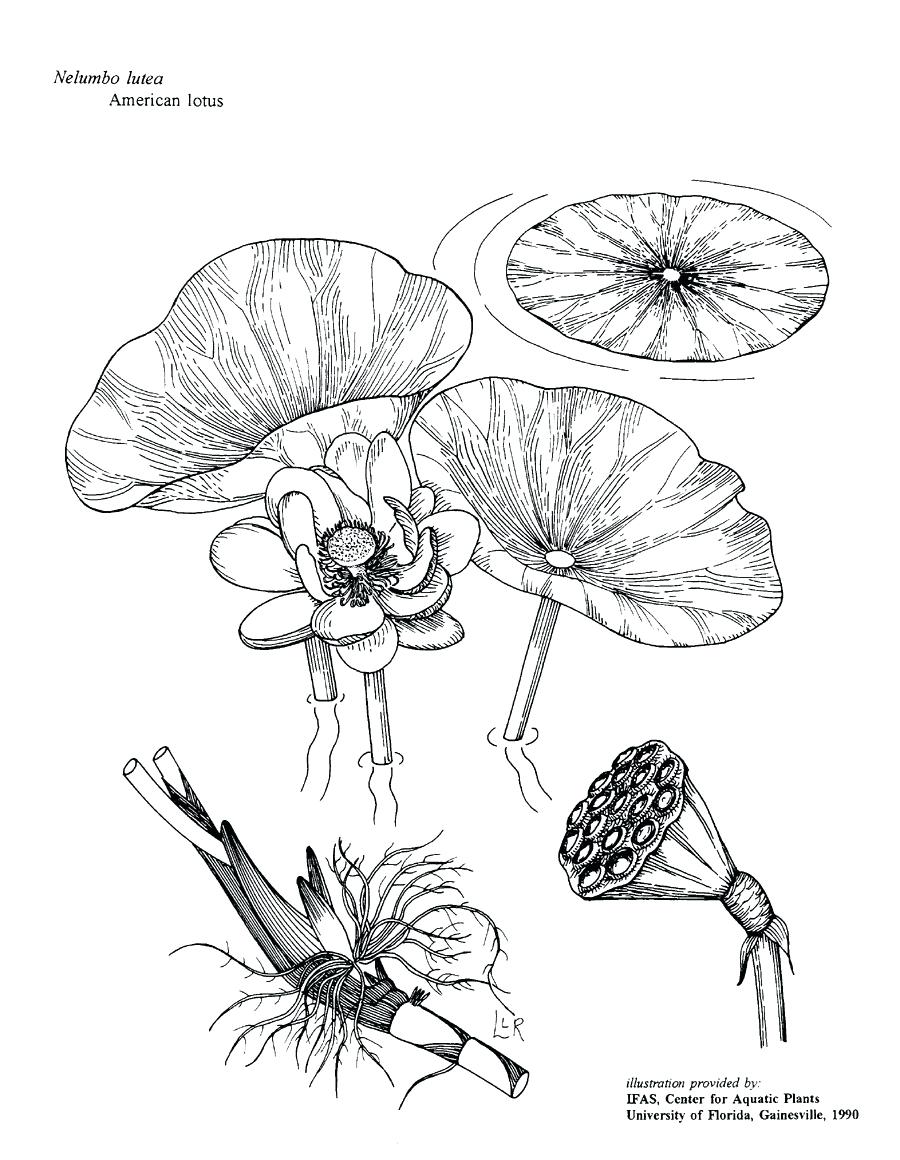
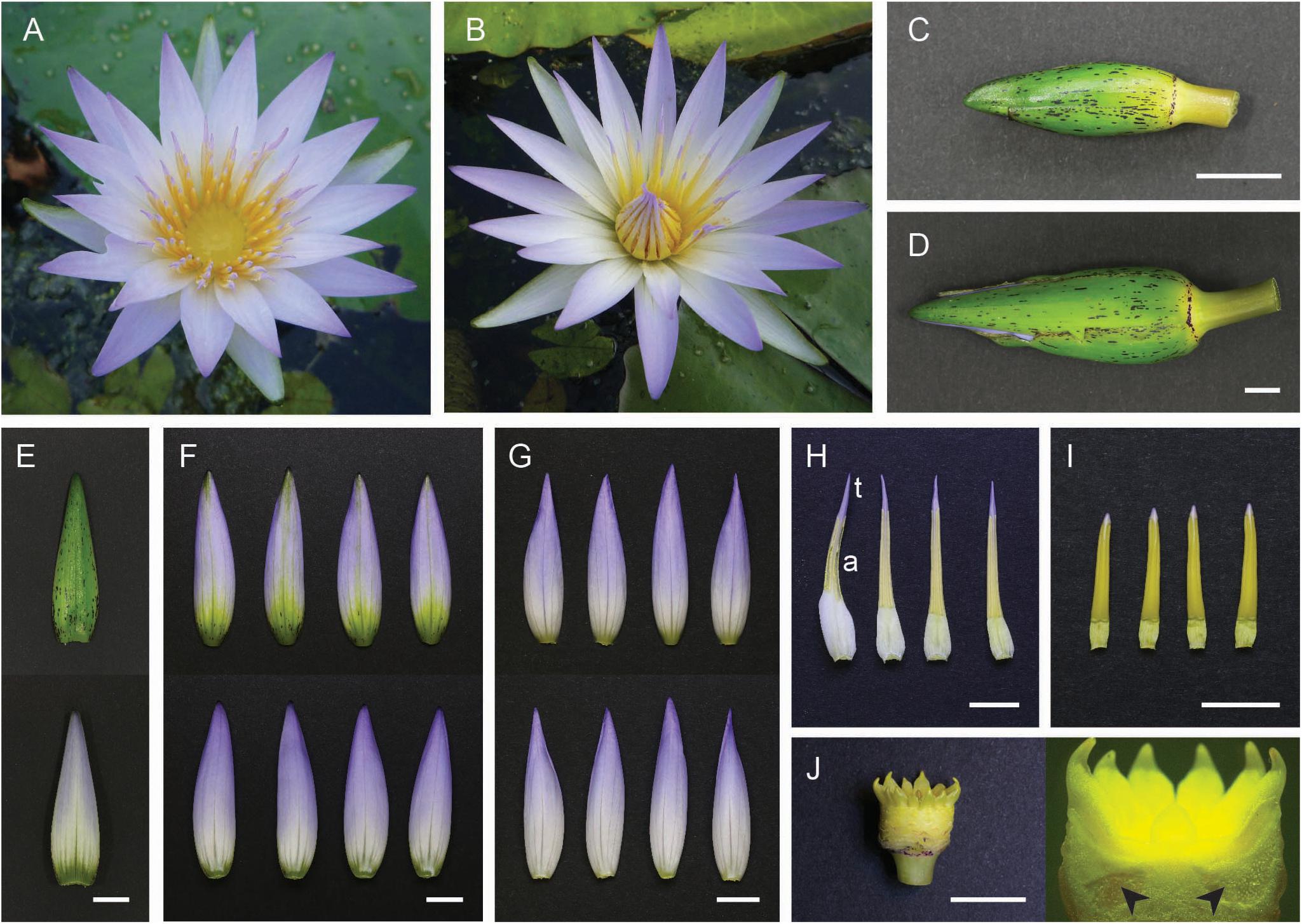
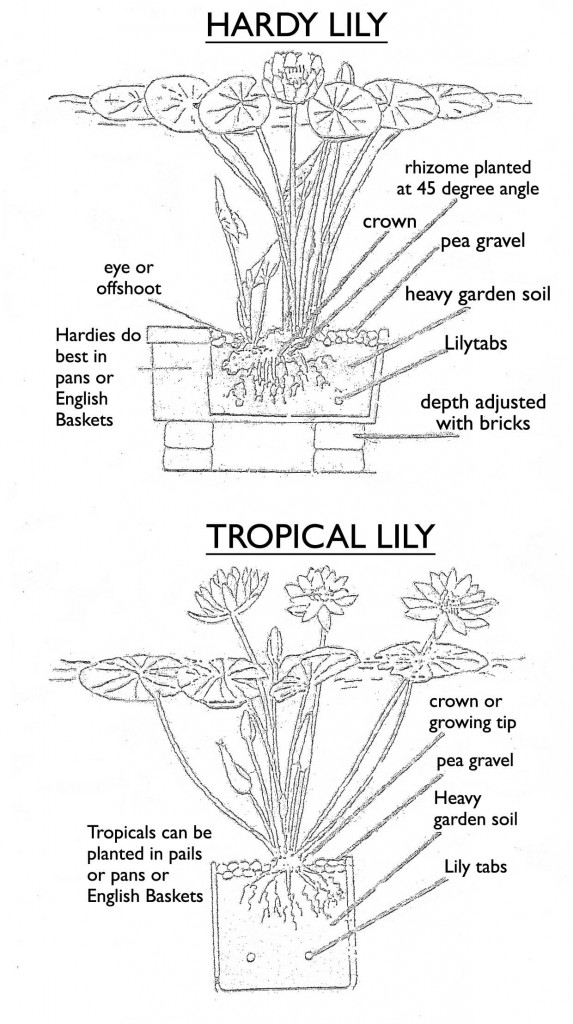
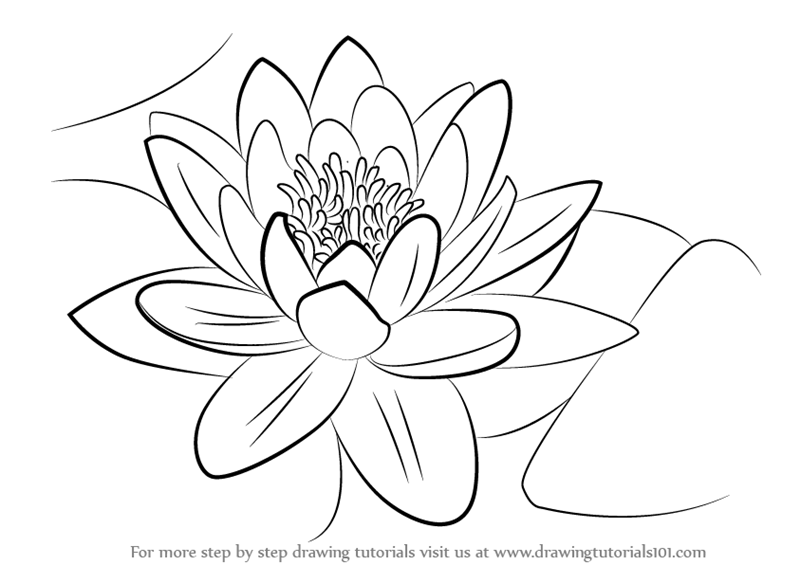
Plant Parts Of The Water Lily. By Jacob J. Wright Oct 13, 2010 8:37 pm EST. Waterlilies (Nymphaea spp.) grow in freshwater habitats around the world, in both tropical and temperate climates. Gardeners use them to bring leaf and flower color to ornamental ponds and they grow well in bottom muck or in soil in containers submerged below the water.. Download scientific diagram | Flower organs of a tropical water lily. a Flowering on the first day. b Pistil. c Sepals (abaxial and adaxial view). d Petals (abaxial and adaxial view). e Stamens.