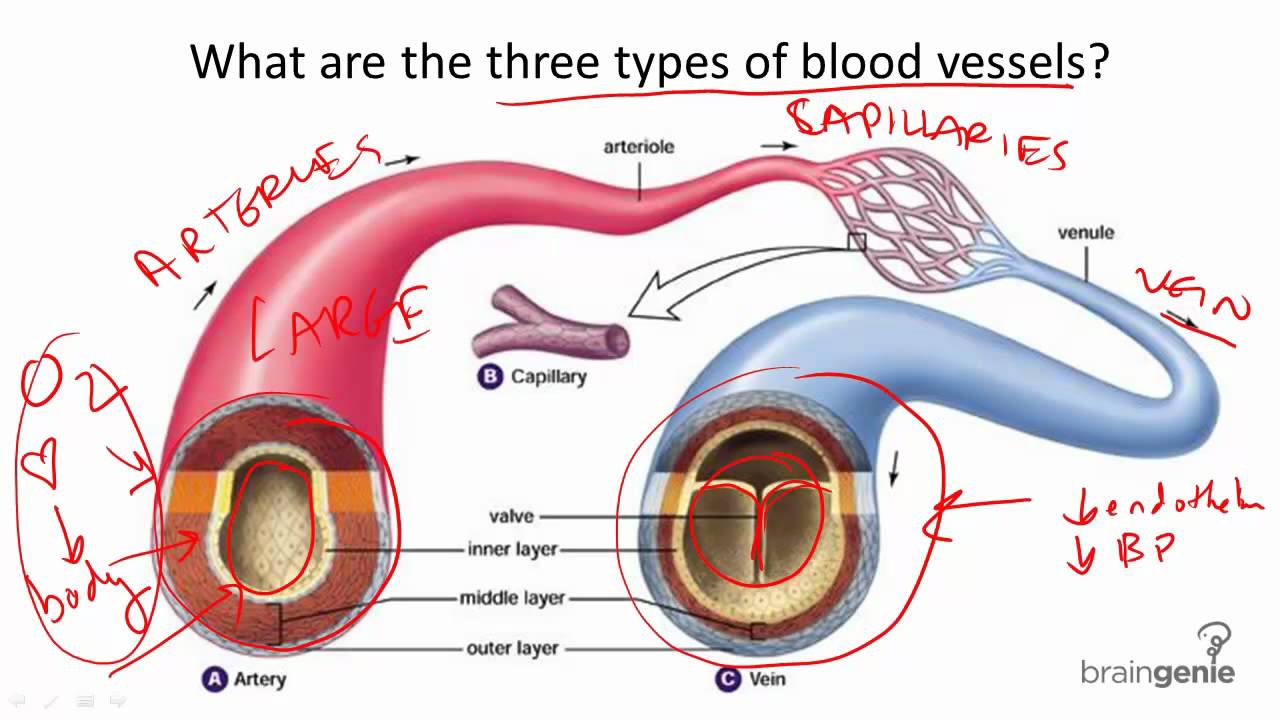
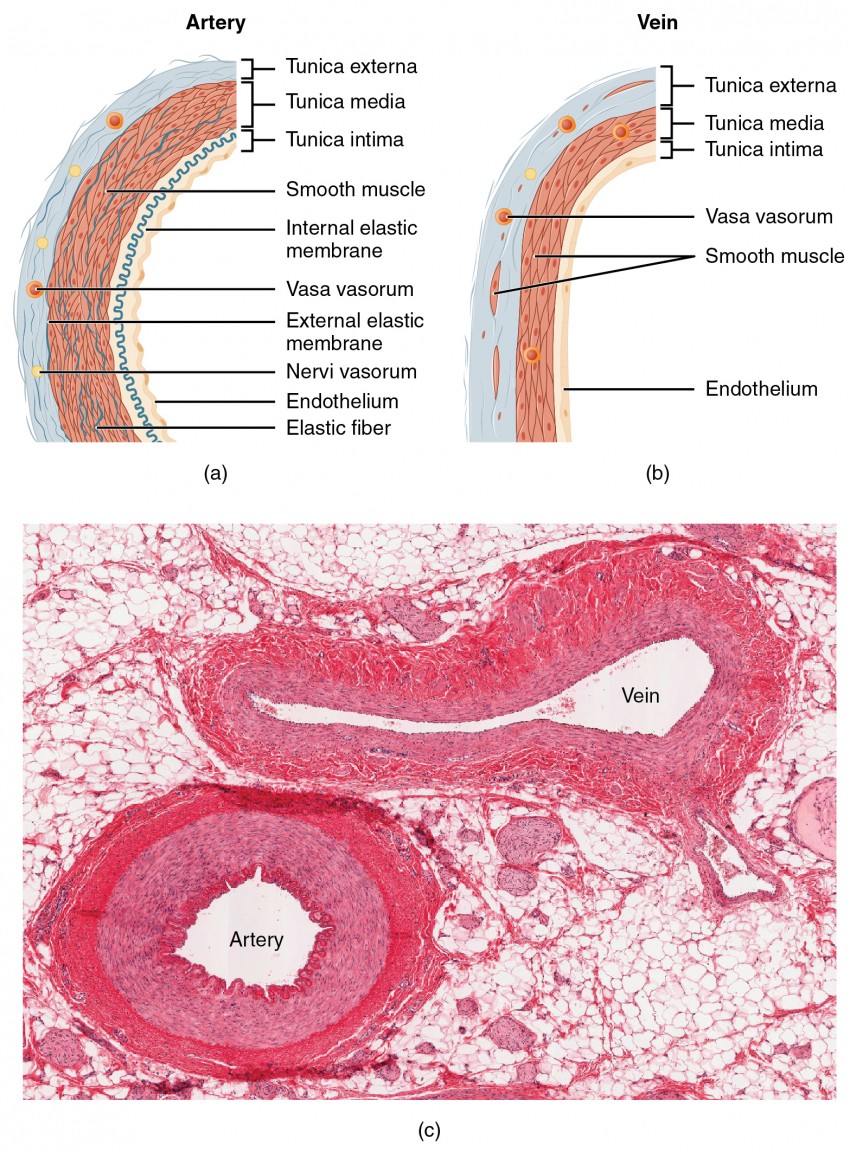
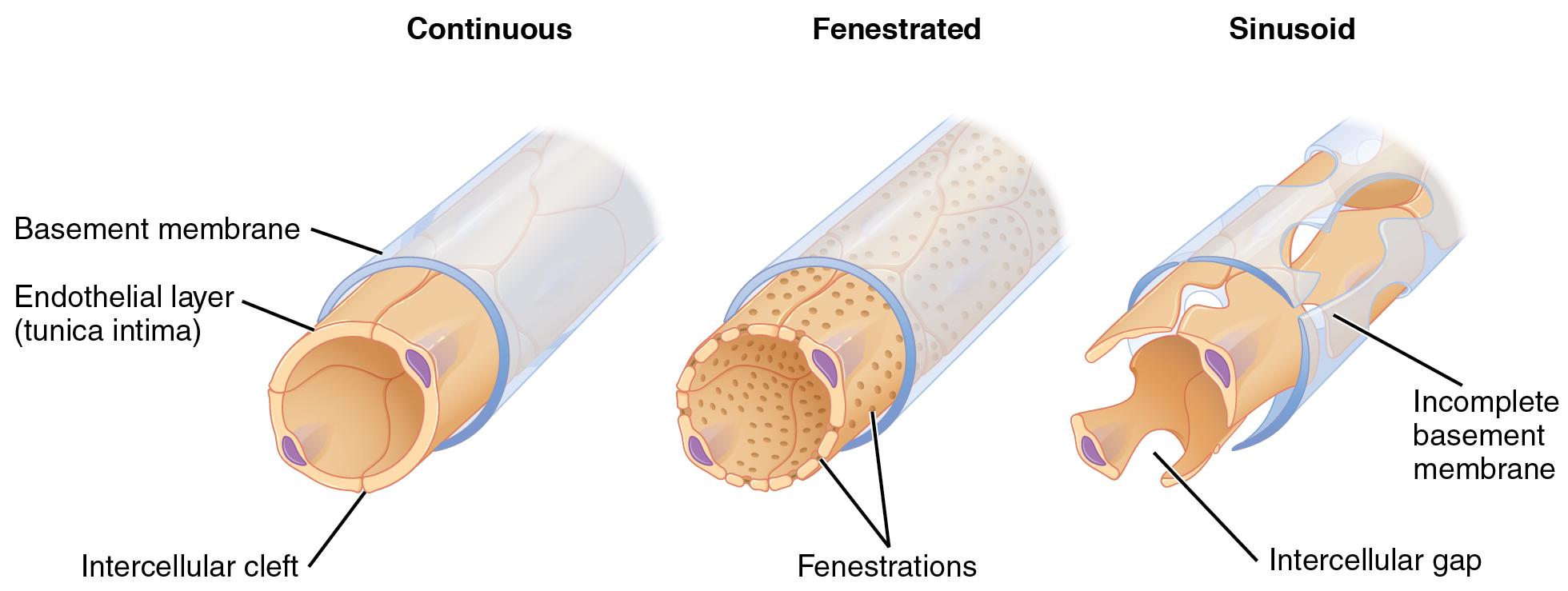
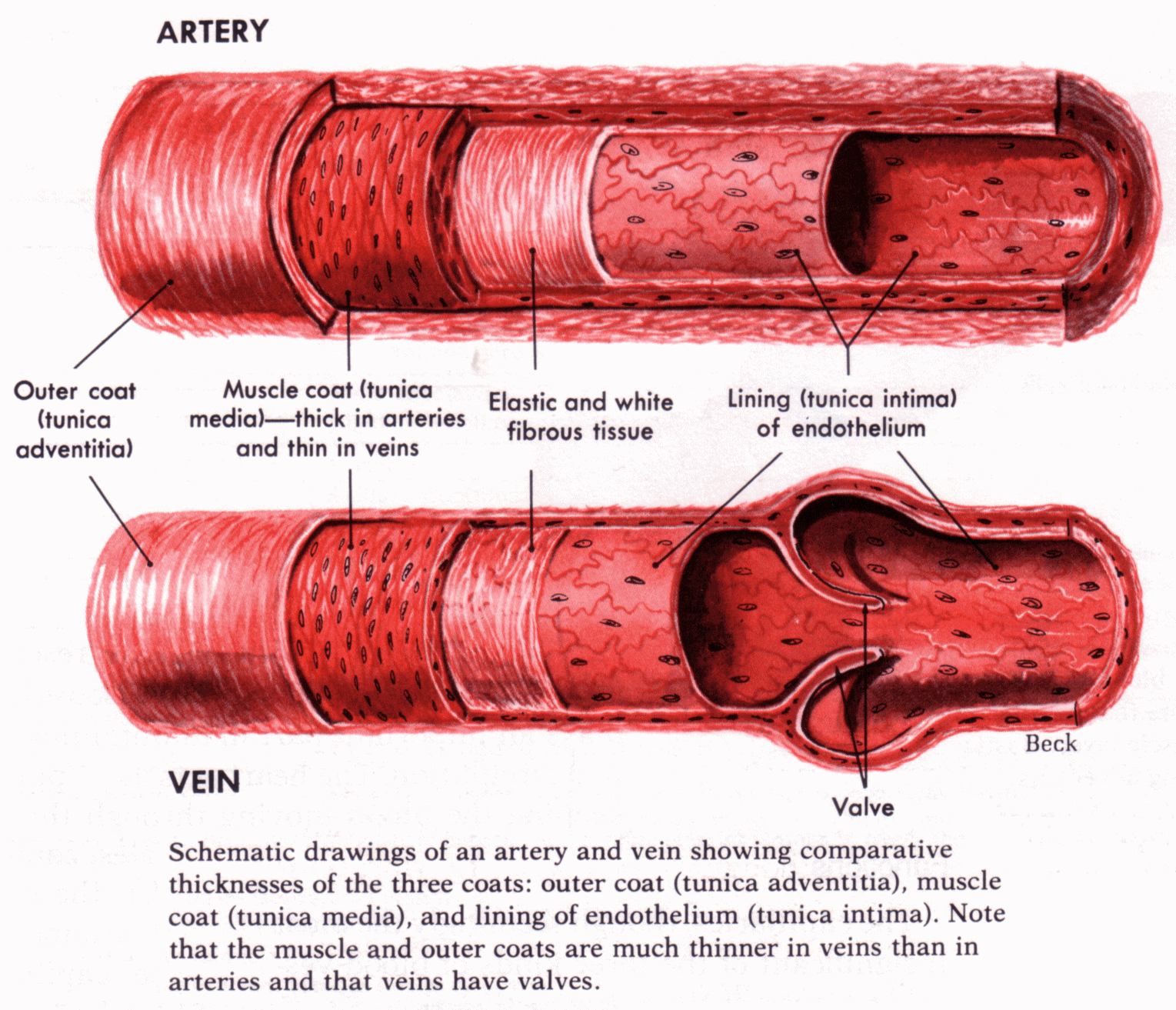
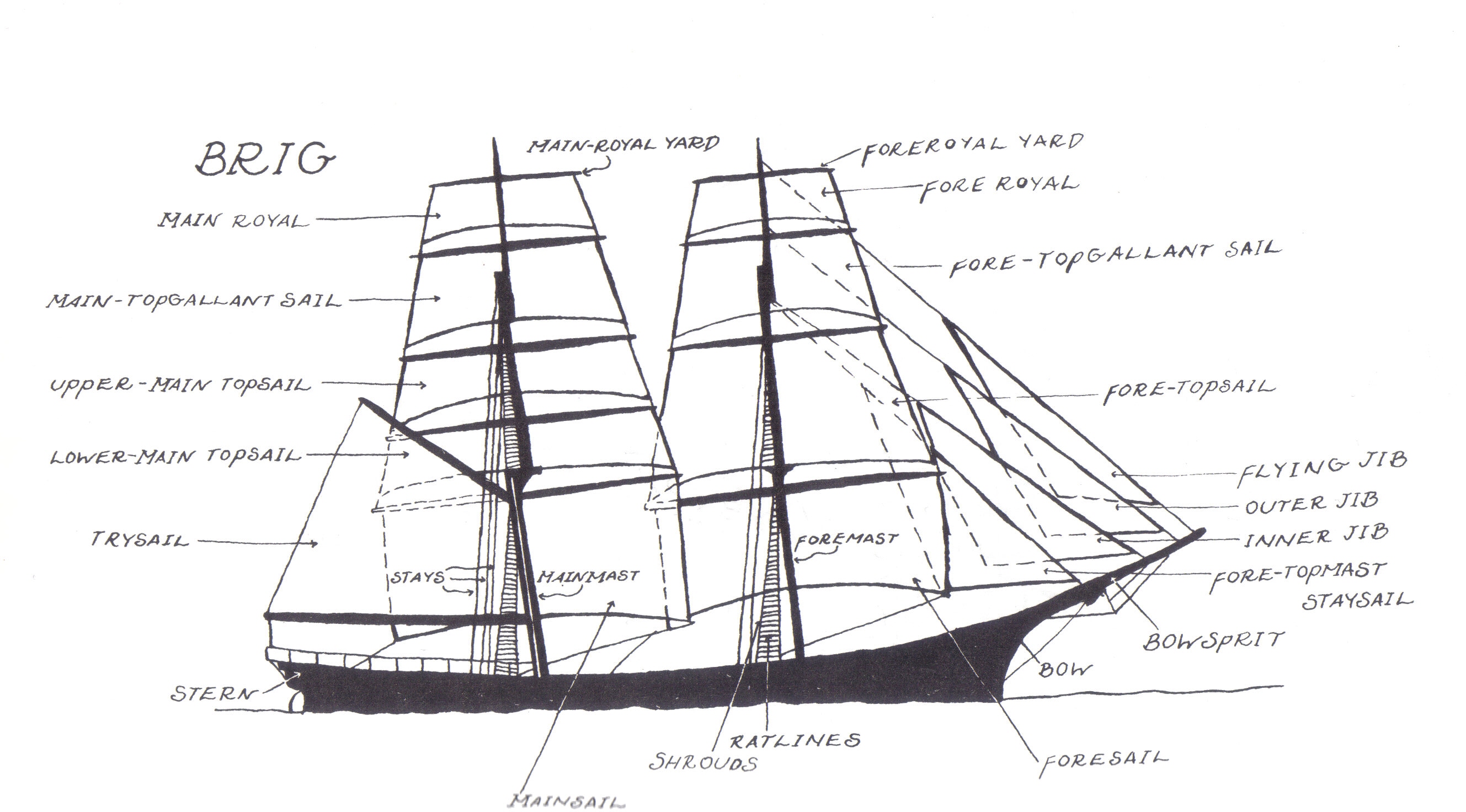
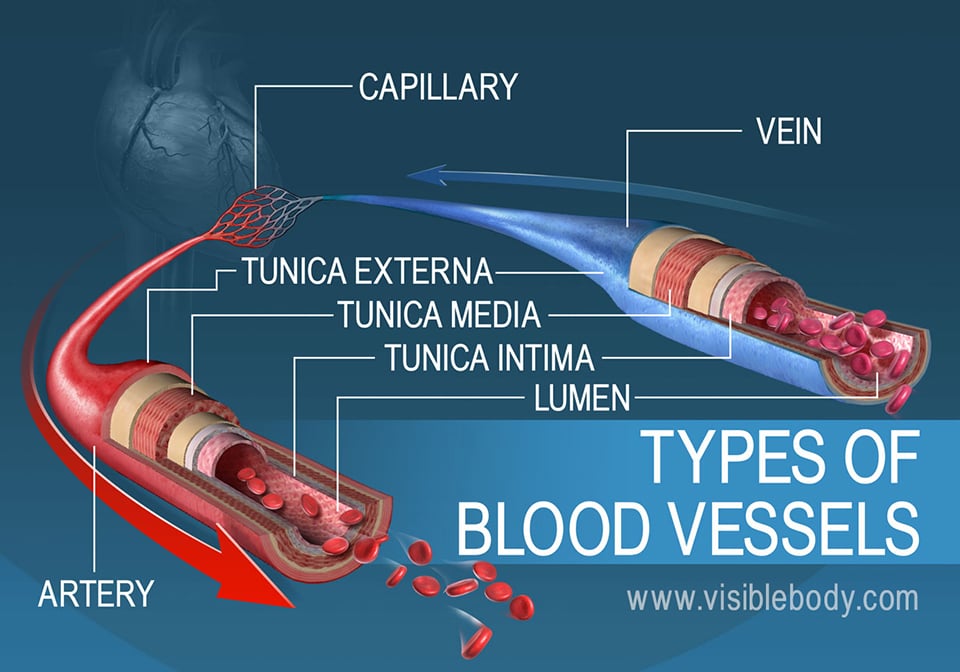
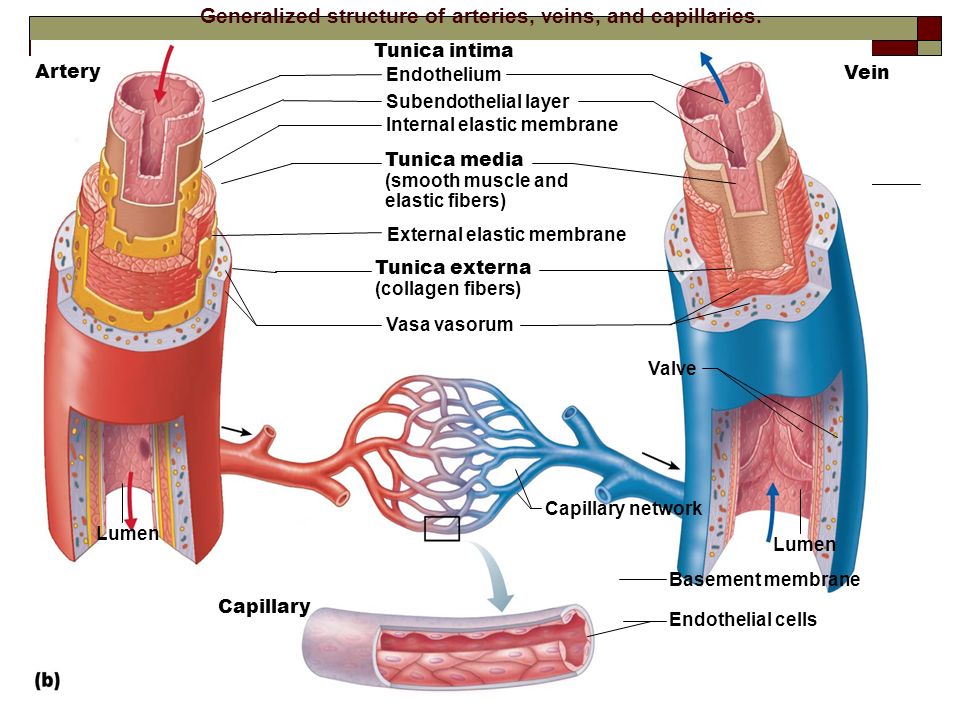
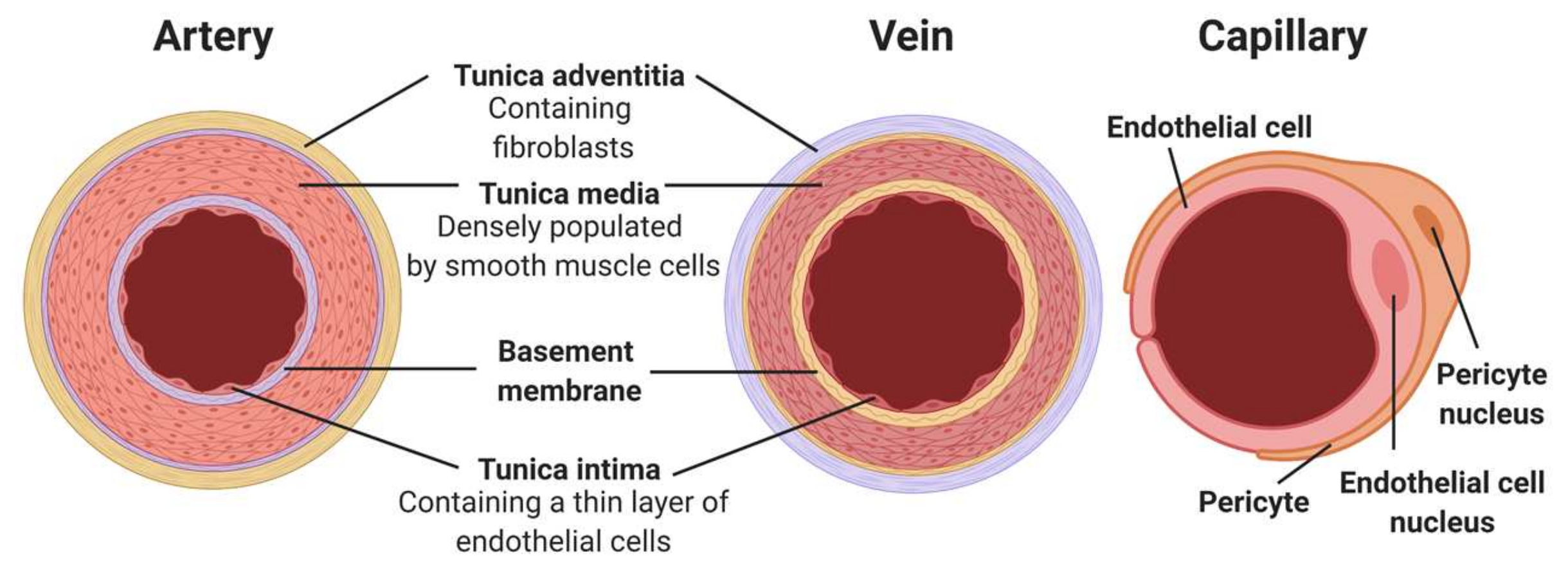
The journey might begin and end with the heart, but the blood vessels reach every vital spot along the way. These arteries, veins, and capillaries make for a vast network of pipes. 1. The Three Major Types of Blood Vessels: Arteries, Veins, and Capillaries. Blood vessels flow blood throughout the body. Arteries transport blood away from the heart.. Discover the different parts of a ship with a detailed diagram and labeled illustration. Explore the anatomy of a ship including the bow, stern, deck, hull, mast, and more. Learn about the various components and structures that make up a ship and how they contribute to its functionality and navigation. Gain a deeper understanding of ships and maritime navigation with this informative diagram.

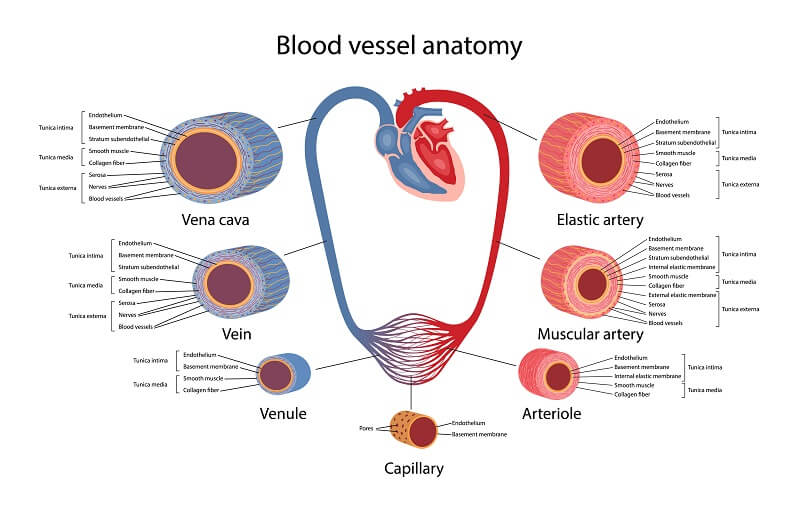





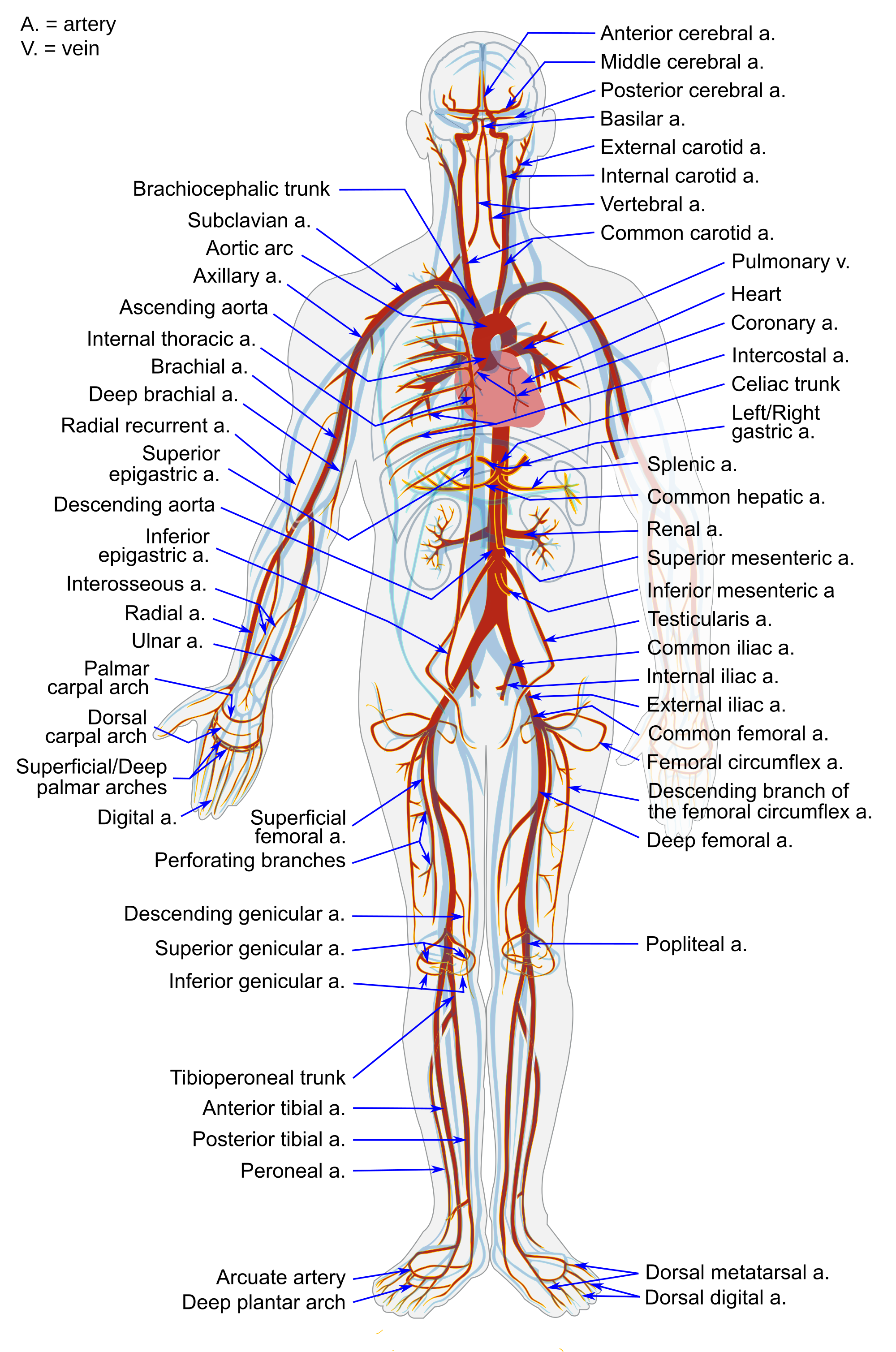


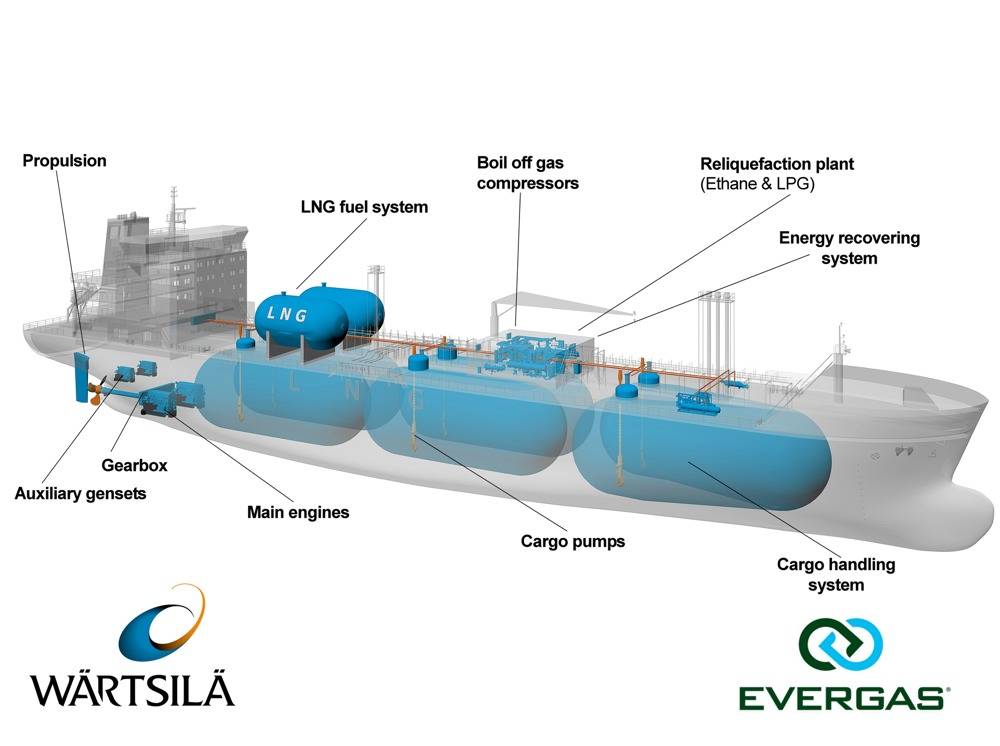

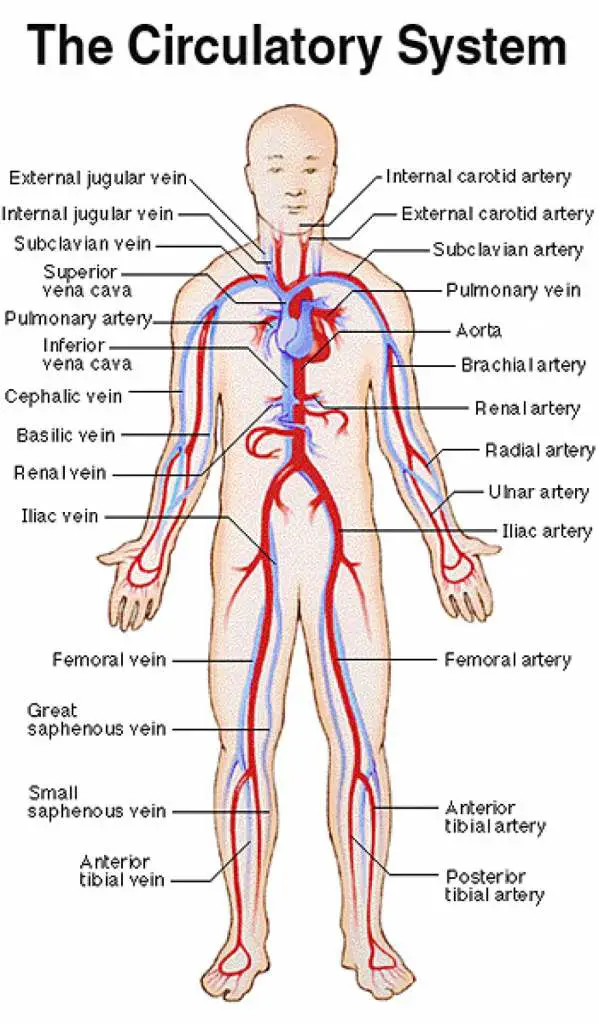
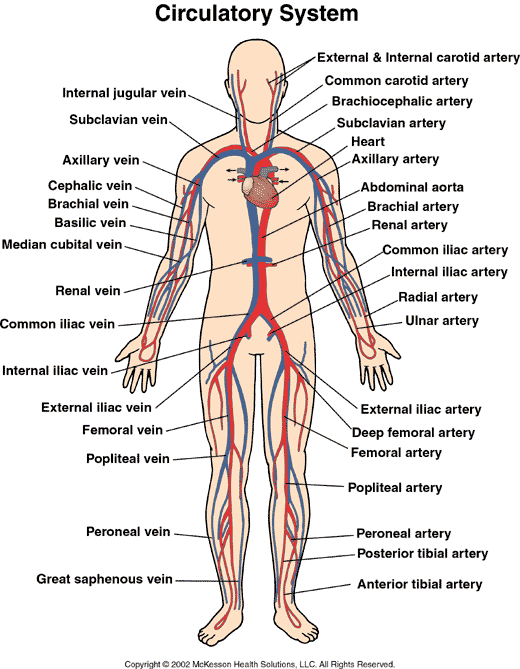
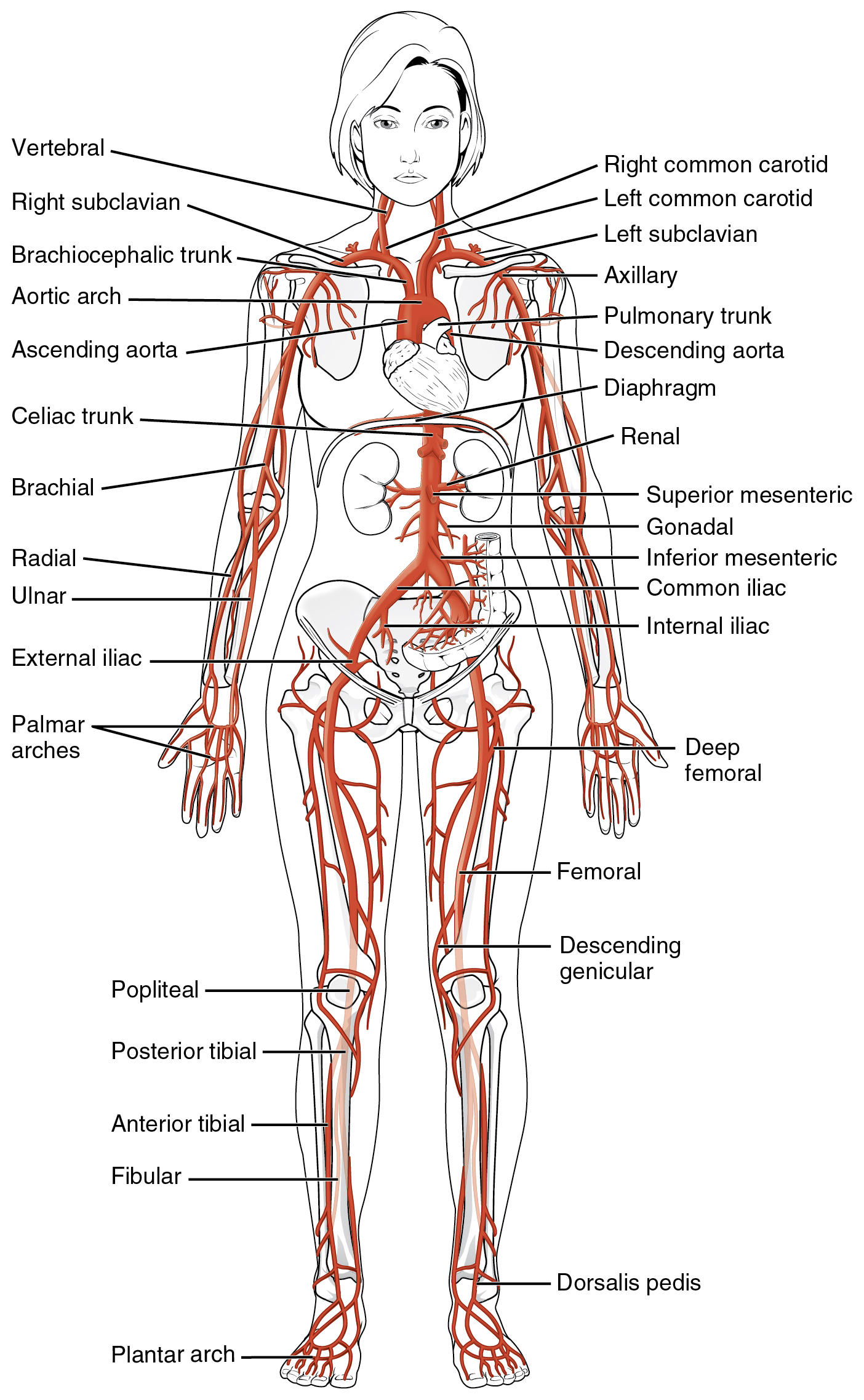
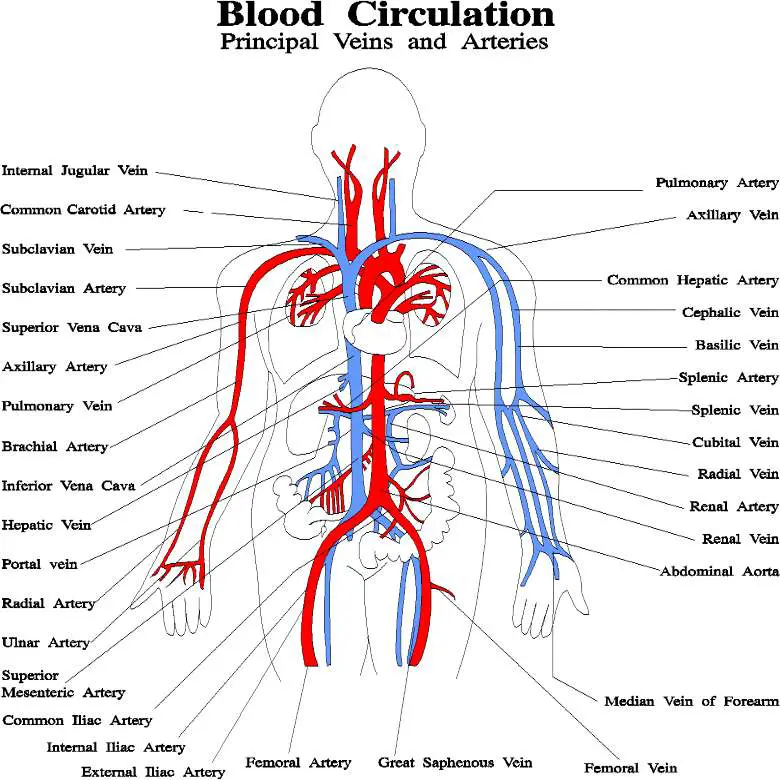
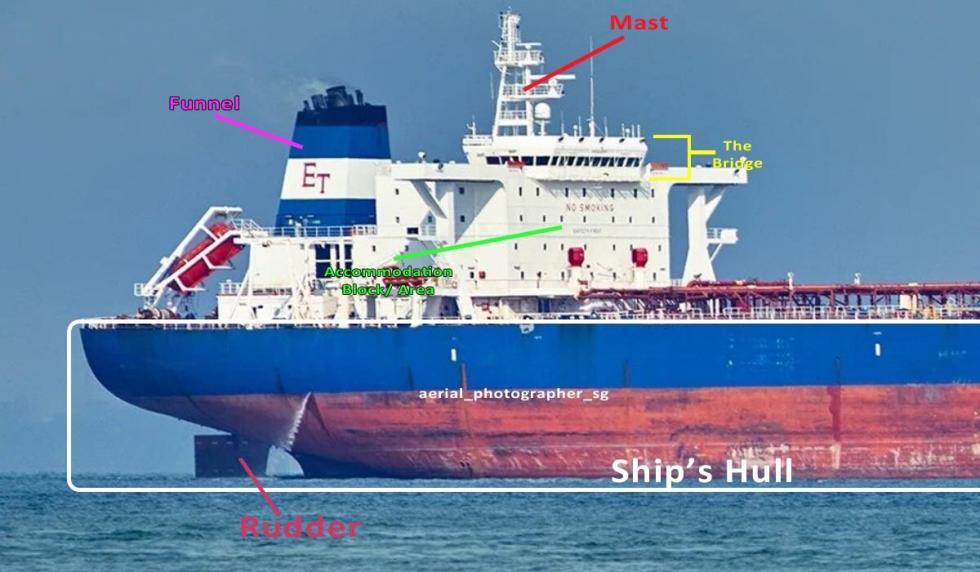


VESSEL LAYOUT DESCRIPTION This section is intended as an abbreviated tour of important spaces and equipment, in conjunction with ship arrangement diagrams. Most spaces and equipment of interest to scientists have fuller descriptions in Sections 4 and 5. 04 DECK (BRIDGE) BRIDGE OR PILOTHOUSE - This is the nerve center of a ship. From this area.. The cardiovascular system consists of the heart, blood vessels, and the approximately 5 liters of blood that the blood vessels transport. Responsible for transporting oxygen, nutrients, hormones, and cellular waste products throughout the body, the cardiovascular system is powered by the body's hardest-working organ --- the heart, which is only about the size of a closed fist.